That sudden feeling that the room is spinning – even when you are standing perfectly still – is called vertigo. It can be frightening and disorienting, but it is very common and, in most cases, treatable. Vertigo is not a disease. It is a symptom. Understanding vertigo causes and treatment helps you know when it is harmless. It also helps you spot when dizziness points to a nerve or brain problem. This guide walks through vertigo causes and treatment in detail. It covers what vertigo is, why it happens, and the warning signs to take seriously. It also explains how doctors diagnose and treat it.
What Is Vertigo?
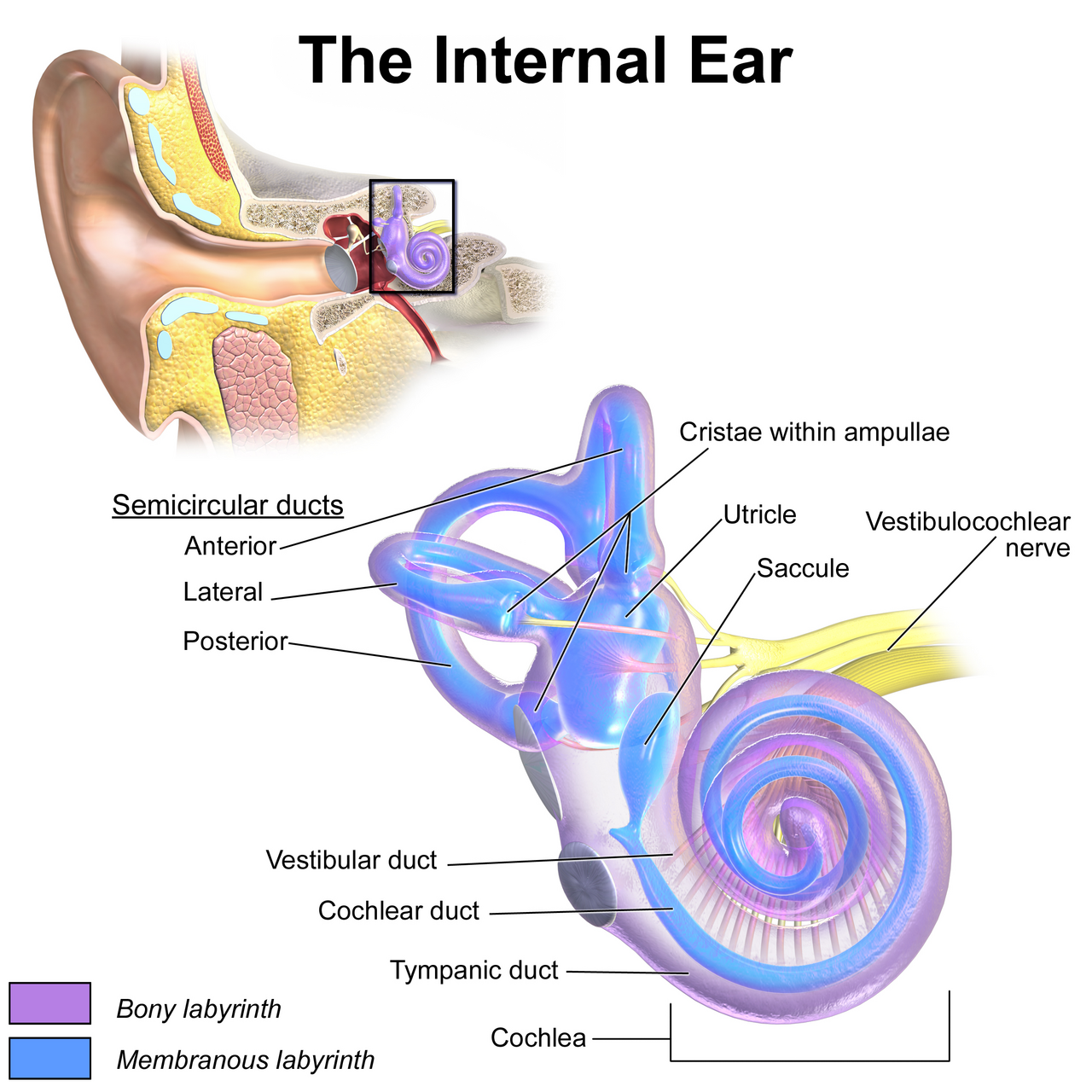
Vertigo is not just feeling faint or lightheaded. It is a false sense that you or your surroundings are moving, spinning, tilting or swaying. It happens when three sources send mismatched balance signals to your brain. These sources are the inner ear, the eyes, and the position sensors in your muscles and joints. Your brain becomes confused about where your body is in space, and the result is the spinning sensation. Doctors broadly divide vertigo into two types, and this shapes vertigo causes and treatment. Peripheral vertigo comes from the inner ear. Central vertigo comes from the brain or its connecting nerves.
Common Causes of Vertigo and Dizziness
Inner Ear Causes (Peripheral Vertigo)
Most vertigo starts in the inner ear. The inner ear houses the body’s balance system. The most common causes include:
- Benign paroxysmal positional vertigo (BPPV): the most frequent cause, where tiny calcium crystals in the inner ear move out of place and trigger short, intense bursts of spinning with head movements.
- Vestibular neuritis or labyrinthitis: inflammation of the balance nerve, often after a viral infection, causing sudden, severe and constant vertigo for days.
- Meniere’s disease: linked to fluid pressure in the inner ear, causing episodes of vertigo along with hearing loss, ringing in the ear and a feeling of fullness.
Brain and Nerve Causes (Central Vertigo)
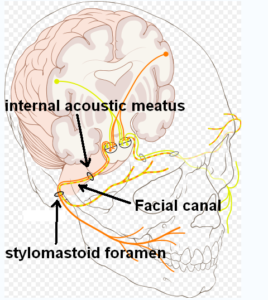
Less commonly, vertigo comes from the brain or its nerves. Causes include migraine (vestibular migraine), reduced blood flow to the brain, multiple sclerosis, a tumour affecting the balance nerve (such as an acoustic neuroma), or a stroke affecting the brainstem or cerebellum. Central vertigo usually feels less like spinning and more like imbalance. It needs prompt medical evaluation.
Vertigo Symptoms to Watch For
Alongside the spinning sensation, vertigo can cause nausea and vomiting. It can also cause loss of balance, difficulty standing or walking, sweating, and jerking eye movements (nystagmus). Some people also notice hearing changes or ringing in the ears when the inner ear is involved. Attacks may last seconds, minutes or hours. Specific head positions, standing up, or turning over in bed can trigger them, depending on the cause.
When Dizziness Could Be a Neurological Warning Sign
See a doctor urgently if vertigo comes with a severe sudden headache, double vision, slurred speech, weakness in an arm or leg, facial drooping, difficulty walking, or sudden hearing loss. These can be signs of a serious problem in the brain, such as a stroke. Reviewing the neurological symptoms you should never ignore can help you act quickly – when in doubt, treat sudden severe symptoms as an emergency.
How Vertigo Is Diagnosed
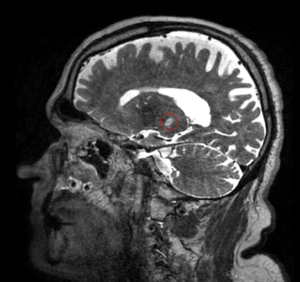
Because vertigo causes and treatment are so closely linked, diagnosis starts with detailed questions about how the vertigo feels, how long it lasts and what triggers it. Your doctor may perform positional tests, such as the Dix-Hallpike manoeuvre, to check for BPPV, and examine your eye movements, balance and coordination. Hearing tests help identify inner-ear conditions. For a trusted overview of vertigo causes and treatment, see the NHS guide on vertigo. If your doctor suspects a central cause, they will arrange an MRI scan of the brain. This checks the nerves, brainstem and blood vessels. Neurological signs or an unusual pattern often prompt this scan.
Vertigo Treatment Options
Understanding vertigo causes and treatment together matters, because the right therapy depends entirely on what is triggering your symptoms.
Treatment depends entirely on the cause. BPPV often responds quickly to simple repositioning manoeuvres in the clinic, such as the Epley manoeuvre. These moves shift the displaced crystals back into place. Vestibular rehabilitation – a set of specialised balance exercises – retrains the brain and balance system and is highly effective for many types of vertigo. Medication can ease severe nausea and dizziness during acute attacks. Doctors usually prescribe it only for the short term. Meniere’s disease may be managed with dietary changes and medication. Sometimes a nerve tumour or a brain problem causes vertigo. In these cases, a neurologist or neurosurgeon guides the right treatment. This may include advanced options for the underlying condition.
Self-Care and Managing Vertigo at Home
During an attack, sit or lie down in a safe place until the spinning eases, and move slowly when getting up. Keep well hydrated, avoid sudden head movements during flare-ups, and remove trip hazards at home to reduce the risk of falls. Once the acute episode has settled, following your prescribed balance exercises consistently is the best way to reduce future attacks.
When to See a Specialist
If your vertigo is severe, keeps coming back, affects your daily life, or is joined by any neurological warning sign, do not ignore it. A specialist can find the exact cause and offer effective, targeted treatment. Dr. Aditya Gupta evaluates and treats vertigo linked to nerve and brain conditions, ensuring serious causes are ruled out and the right vertigo causes and treatment plan is provided.
Frequently Asked Questions About Vertigo
Is vertigo a sign of something serious?
Most vertigo is caused by harmless inner-ear problems and settles with treatment. However, vertigo with severe headache, slurred speech, double vision or limb weakness can signal a serious brain problem and needs emergency care.
How long does a vertigo attack last?
It varies with the cause. BPPV episodes usually last less than a minute with head movement, Meniere’s attacks can last hours, and vestibular neuritis can cause continuous vertigo for several days before gradually improving.
Can vertigo go away on its own?
Many types, including BPPV and vestibular neuritis, improve on their own over days to weeks as the brain adapts. Treatment and balance exercises can speed recovery and reduce the chance of recurrence.
What triggers vertigo?
Common triggers include specific head positions, rolling over in bed, standing up quickly, stress, dehydration, and, for some people, certain foods or bright, busy visual environments.
Can stress or anxiety cause vertigo?
Stress and anxiety do not usually cause true spinning vertigo, but they can worsen dizziness and imbalance and make existing vertigo feel more intense. Managing stress often helps overall symptoms.
Which doctor should I see for vertigo?
Start with your primary doctor, who may refer you to an ENT specialist or a neurologist. If a nerve tumour or brain cause is suspected, a neurosurgeon may be involved in your care.