Neurologist vs Neurosurgeon: Which Specialist Do You Need for Brain and Spine Care?


Navigating the complexities of the human nervous system can be overwhelming, especially when deciding between a neurologist vs neurosurgeon. While both specialists are highly trained in treating conditions of the brain, spine, and nerves, their approach to healing is fundamentally different. This comprehensive guide will help you understand their unique roles, the conditions they treat, and how to choose the right expert for your specific health journey.
Defining the Roles: Medical Management vs. Surgical Precision
The primary distinction in the neurologist vs neurosurgeon debate lies in the method of treatment. A neurologist is a medical doctor who focuses on diagnosing and managing neurological disorders using non-surgical methods such as medication, lifestyle modifications, and specialized therapies. They are the “detectives” of the nervous system, identifying the root cause of symptoms through advanced testing.
In contrast, a neurosurgeon is a specialist trained to provide both surgical and non-surgical interventions. While they are fully capable of diagnosing conditions, their core expertise lies in performing intricate procedures to repair structural damage, remove tumors, or alleviate pressure on the brain and spine. When comparing a neurologist vs neurosurgeon, it is important to remember that a neurosurgeon is often the final stop when medical management is no longer sufficient.
Key Differences at a Glance
| Feature | Neurologist | Neurosurgeon |
| Primary Method | Medical Management & Diagnosis | Surgical Intervention & Repair |
| Typical Tools | EEG, EMG, Specialized Medications | Robotic Surgery, Craniotomy, Implants |
| Common Conditions | Epilepsy, Migraines, Multiple Sclerosis | Brain Tumors, Herniated Discs, Aneurysms |
| Training Duration | 4-year residency after med school | 6 to 7-year residency after med school |
| Patient Goal | Long-term symptom control | Structural correction/Emergency relief |
When Should You Consult a Neurologist?
If you are experiencing symptoms that affect your cognitive function, movement, or daily comfort, a neurologist is typically your first point of contact. They specialize in “functional” issues—conditions where the nervous system is physically intact but not working correctly.
Chronic Pain and Migraines: Persistent headaches that do not respond to over-the-counter medication require a neurologist’s expertise to identify triggers and prescribe preventive biologicals.
Seizure Disorders: Managing epilepsy involves a delicate balance of anti-epileptic drugs (AEDs), which a neurologist monitors through regular EEG testing.
Neurodegenerative Diseases: For conditions like Alzheimer’s, Parkinson’s, or ALS, a neurologist provides the long-term medical oversight necessary to maintain quality of life.
Neuropathy and Numbness: If you feel tingling in your extremities, a neurologist uses EMG and Nerve Conduction Studies (NCS) to find where the signal is breaking down.
When a Neurosurgeon Becomes Necessary
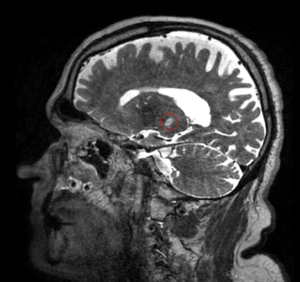
The choice of neurologist vs neurosurgeon shifts toward surgery when there is a clear physical or structural abnormality. If your MRI shows a mass, a blockage, or a physical compression of a nerve, a neurosurgeon is the required specialist.
Brain and Spine Tumors: Whether a growth is benign or malignant, a neurosurgeon uses high-precision tools to resect the tumor while preserving healthy tissue.
Severe Spinal Issues: For patients with debilitating sciatica or spinal stenosis, a neurosurgeon can perform minimally invasive decompressions or fusions.
Deep Brain Stimulation (DBS): This is a specialized area where the best neurosurgeon for DBS works to implant electrodes that help control tremors in advanced Parkinson’s patients.
Cerebrovascular Emergencies: In cases of a ruptured aneurysm, seeking the best neurosurgeon for brain hemorrhage is a matter of life-saving urgency.
Neurologist vs Neurosurgeon: The Collaborative Model
It is a common misconception that you must choose only one. In reality, the most successful patient outcomes occur when a neurologist vs neurosurgeon work together as a team. For example, a patient with a complex movement disorder may see a neurologist for years to manage symptoms with medication. If the medication loses efficacy, the neurologist will refer the patient to a top neurosurgeon in India for a procedure like DBS. Following the surgery, the patient returns to the neurologist for “programming” and long-term care.
Neurosurgery Excellence: Why the Specialist Matters
When structural intervention is required, the stakes are incredibly high. Selecting the best neurosurgeon in India ensures that you are benefiting from global standards of care and the latest surgical technology.
India has become a global hub for neurosurgical excellence, particularly in fields like functional neurosurgery and complex spine repair. Patients looking for the best neurosurgeon for DBS often find that Indian surgeons offer a level of precision that rivals any international center. Similarly, when time is of the essence, the best neurosurgeon for brain hemorrhage in India utilizes advanced imaging and microsurgical techniques to improve survival and recovery rates.
Preparing for Your First Appointment

Regardless of whether you are seeing a neurologist vs neurosurgeon, being prepared will help you get the most out of your consultation.
Document Your Symptoms: Keep a diary of when your symptoms occur and what triggers them.
Bring Your Imaging: Always bring the actual CD/digital files of your MRI or CT scans, not just the printed report.
List Your Medications: Include dosages and how long you have been taking them.
Ask About Alternatives: If a surgeon suggests a procedure, ask about the “neurological” or medical alternatives first.
Final Thoughts on Choosing Your Specialist
Deciding between a neurologist vs neurosurgeon doesn’t have to be a solo decision. Most primary care physicians will guide you based on your initial diagnostic tests. However, knowing the difference allows you to advocate for yourself. If your condition is chronic and requires management, think Neurology. If your condition is structural and requires a fix, think Neurosurgery.
Take Control of Your Neurological Health
If you or a loved one are facing a complex diagnosis, the expertise of a top neurosurgeon in India can make all the difference. From advanced spinal corrections to life-changing DBS procedures, specialized care is within reach.
Schedule a Consultation with the Expert
Don’t wait for symptoms to worsen. For world-class surgical intervention and a commitment to patient recovery, contact the office of the best neurosurgeon in India today to discuss your treatment options.