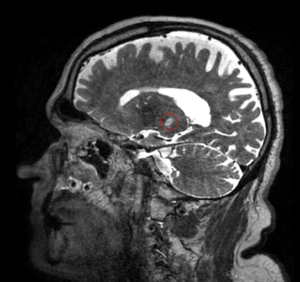
A slip disc (also called a herniated disc or prolapsed disc) is one of the most common causes of sudden back pain, neck pain and radiating leg pain. For many people it appears out of nowhere – a wrong twist, a heavy lift, or simply years of gradual wear finally catching up. The good news is that most people recover well without surgery once they have the right diagnosis and a clear treatment plan. This detailed guide explains what a slip disc is, why it happens, the warning signs to watch for, how it is diagnosed, and the full range of modern slip disc treatment options available today – from simple home care to advanced minimally invasive spine surgery.
What Is a Slip Disc?
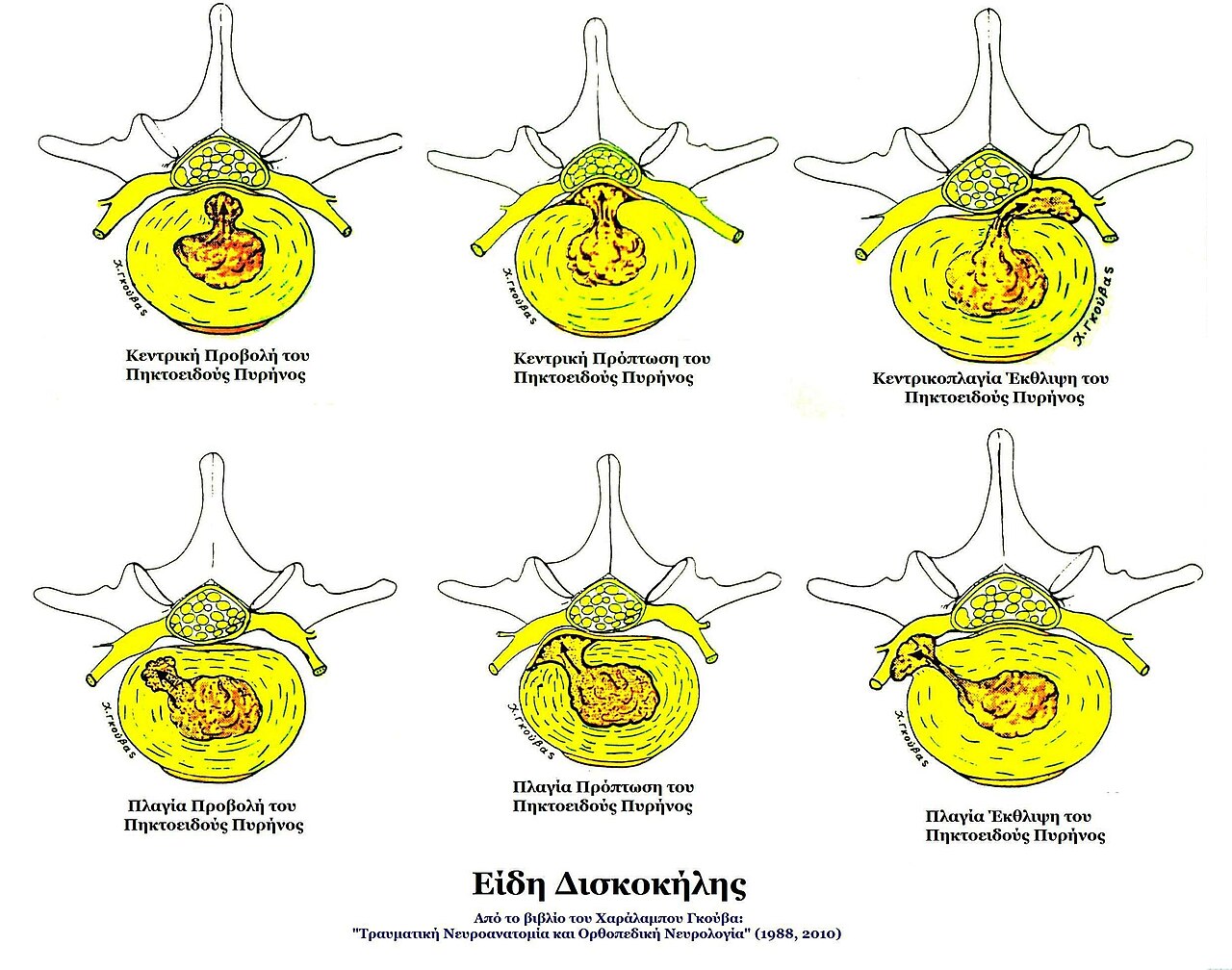
Between each pair of vertebrae in your spine sits a soft, cushion-like disc that acts as a shock absorber. Each disc has a tough outer ring (the annulus fibrosus) and a gel-like centre (the nucleus pulposus). A slip disc occurs when the soft centre pushes through a tear or weak point in the outer ring. Despite the name, the disc does not actually “slip” out of place – it bulges or herniates, and the displaced material can press on a nearby spinal nerve or the spinal cord itself. This pressure and the inflammation around it are what produce the pain, numbness and weakness that people feel.
A slip disc can happen anywhere along the spine but is most common in the lower back (lumbar spine) and the neck (cervical spine), because these areas move and bear load the most. Depending on how much disc material has moved, doctors may describe it as a bulge, a protrusion, an extrusion or a sequestration – a scale that helps guide treatment.
Common Causes and Risk Factors of a Herniated Disc
A slip disc usually develops gradually as discs lose water content and flexibility with age, a process called disc degeneration. As discs dry out, they become more brittle and can tear with relatively little stress. Common triggers and risk factors include:
- Age-related disc degeneration – most herniations occur between the ages of 30 and 50.
- Improper lifting – lifting heavy objects with a bent back and straight legs, instead of using the legs.
- Sudden twisting or awkward movements that overload a single disc.
- Repetitive strain from certain jobs or sports that involve bending, lifting or vibration.
- Excess body weight, which adds constant load to the lower back.
- A sedentary lifestyle and weak core muscles that fail to support the spine.
- Smoking, which reduces the oxygen and nutrient supply to spinal discs and speeds up degeneration.
- Genetics – a family history of disc problems increases the risk.
Slip Disc Symptoms You Should Not Ignore
Symptoms of a slip disc depend on where it occurs and whether it is pressing on a nerve. Some people have a herniated disc with no symptoms at all, while others have significant pain that prompts them to seek slip disc treatment. The most common patterns are:
- Lower back (lumbar) slip disc: sharp or burning pain in the lower back that may travel down the buttock and leg, often felt as sciatica. The pain may worsen when sitting, coughing or sneezing.
- Neck (cervical) slip disc: neck pain with pain, tingling or numbness that spreads into the shoulder, arm and fingers.
- Nerve-related signs: numbness, a “pins and needles” sensation, or muscle weakness in the affected arm or leg.
- Reduced reflexes and difficulty with certain movements, such as lifting the foot or gripping.
Seek urgent care if you develop loss of bladder or bowel control, numbness around the groin or inner thighs (saddle anaesthesia), or rapidly worsening leg weakness. These can signal cauda equina syndrome, a rare but serious condition that needs emergency surgery.
How a Slip Disc Is Diagnosed
Diagnosis begins with a detailed history and a clinical examination to check reflexes, muscle strength and sensation, and to identify which nerve is involved. Your doctor may perform a straight-leg-raise test for lumbar problems. Imaging then confirms the diagnosis: an MRI scan is the most reliable tool because it shows the soft discs and nerves clearly and reveals exactly which level is affected. A CT scan or X-ray may be used in some situations, and nerve conduction studies can help when the picture is unclear. Accurate diagnosis is essential because it guides whether conservative care or surgery is the better path. For a trusted medical overview of herniated discs, see MedlinePlus.
Slip Disc Treatment Options
The right slip disc treatment depends on your symptoms, their severity and how long they have lasted. It ranges from simple self-care to advanced surgery, and most people start with non-surgical options.
Non-Surgical (Conservative) Treatment
Around 8 in 10 people improve without surgery, often within six to twelve weeks. Conservative slip disc treatment usually includes a short period of relative rest followed by a gradual return to gentle activity, structured physiotherapy to strengthen the core and improve posture, anti-inflammatory and pain-relieving medication, and heat or ice for symptom relief. In some cases, targeted epidural steroid injections are used to reduce nerve inflammation and buy time for healing. Staying as active as pain allows is now known to speed recovery compared with prolonged bed rest.
When Is Surgery Needed?
Surgery is considered when severe pain persists despite several weeks of conservative care, when there is progressive muscle weakness, or when there are signs of serious nerve compression. Modern minimally invasive spine surgery allows the herniated portion of the disc to be removed (a microdiscectomy) through very small incisions, with less muscle damage, less pain and a much faster recovery than traditional open surgery. Most patients go home within a day or two and return to normal activities within a few weeks.
Recovery and Rehabilitation After a Slip Disc
Whichever slip disc treatment you have, whether surgical or not, rehabilitation is key to a lasting recovery. A physiotherapist will guide you through core-strengthening and flexibility exercises, teach safe lifting and movement techniques, and help you gradually rebuild activity. Most people can return to desk work within days to a couple of weeks and to heavier work over one to three months, depending on the treatment. Following your rehabilitation plan closely greatly reduces the chance of a repeat herniation.
Preventing Future Disc Problems
You can protect your spine by lifting with your knees instead of your back, staying active, maintaining a healthy weight, strengthening your core muscles, taking regular breaks from sitting, and avoiding smoking. Good posture at your desk and when using a phone also reduces strain. If you also experience neck pain with arm numbness, get it evaluated early rather than waiting for it to worsen.
When to See a Neurosurgeon
If your back or neck pain lasts more than a few weeks, radiates into a limb, or is accompanied by numbness or weakness, it is worth consulting a spine specialist. Early diagnosis usually means simpler treatment and better outcomes. Dr. Aditya Gupta offers advanced, evidence-based care for slip disc and other spine conditions, with an emphasis on non-surgical slip disc treatment first and minimally invasive surgery only when it is truly needed.
Frequently Asked Questions About Slip Disc
Can a slip disc heal on its own?
Yes. In most cases the body gradually reabsorbs the herniated disc material and symptoms settle over several weeks to a few months with conservative treatment. Surgery is only needed for a minority of patients.
Is walking good for a slip disc?
Gentle walking is usually beneficial because it keeps the spine mobile and encourages blood flow to the healing tissues. Prolonged bed rest, on the other hand, tends to slow recovery. Always start gently and increase activity as your pain allows.
What should I avoid with a herniated disc?
Avoid heavy lifting, bending and twisting at the same time, high-impact activities, and long periods of sitting or slouching. These movements increase pressure on the disc and can worsen symptoms during the healing phase.
How long does slip disc recovery take?
Many people feel significantly better within six to twelve weeks of conservative treatment. Recovery after a microdiscectomy is often quicker, with a return to light activities in a couple of weeks and fuller activity over one to three months.
Is slip disc surgery safe?
Modern minimally invasive disc surgery is very safe and highly effective for the right patients, with low complication rates and quick recovery. Your surgeon will discuss the specific risks and benefits for your situation before recommending it.
When should I see a doctor for back pain?
See a doctor if pain lasts more than a few weeks, spreads down a leg or arm, or comes with numbness or weakness. Seek emergency care immediately for loss of bladder or bowel control or rapidly worsening leg weakness.