Waking up to find one side of your face drooping is alarming, and it is natural to fear the worst. Most often, though, the cause is Bell’s palsy. This is a sudden, usually temporary weakness of the facial muscles. In the great majority of cases, it recovers well. It helps to know the difference between Bell’s palsy and a stroke. Starting the right Bell’s palsy treatment early also makes a real difference. It affects how quickly and how fully you recover. This guide explains what Bell’s palsy is, plus its symptoms and causes. It shows how to tell it apart from a stroke. It also covers the Bell’s palsy treatment and recovery you can expect.
What Is Bell’s Palsy?
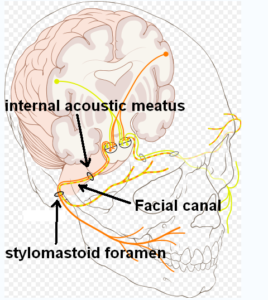
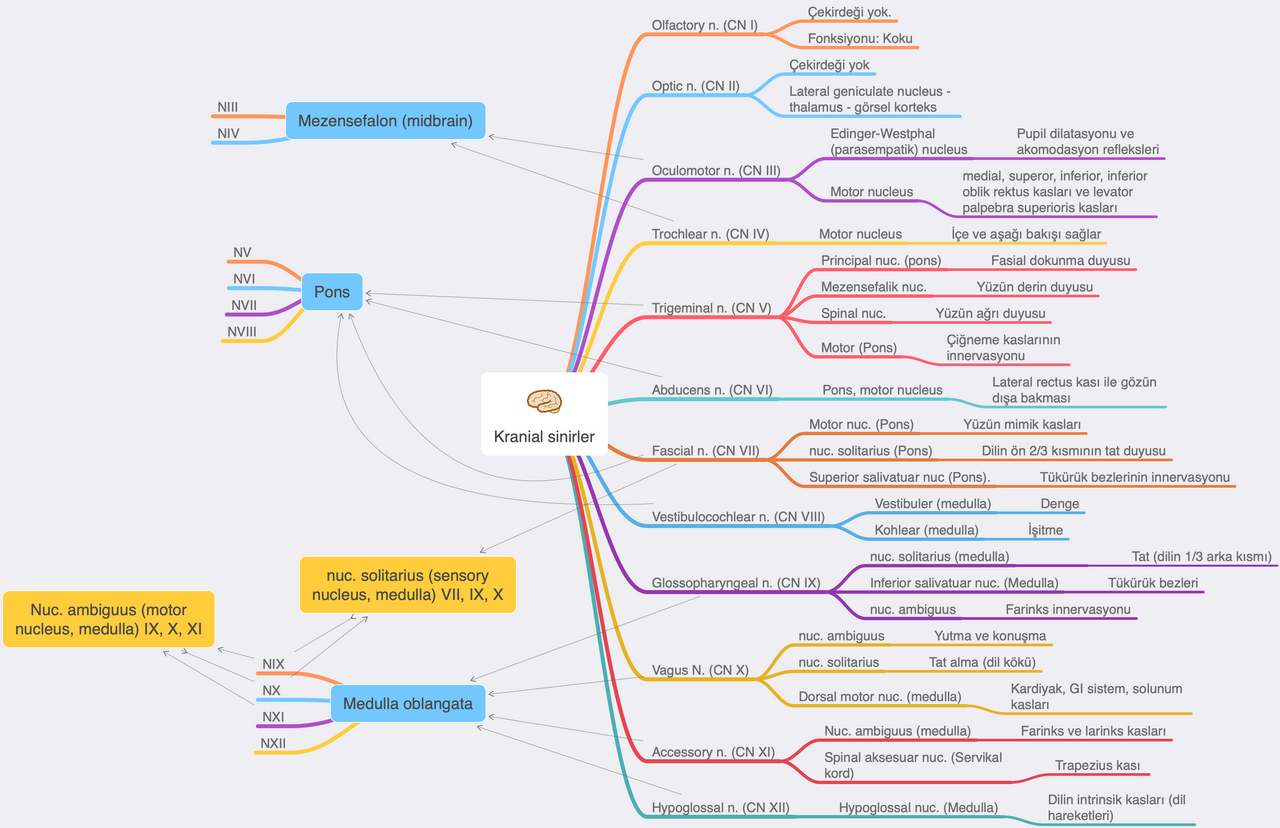
Bell’s palsy is a sudden weakness or paralysis of the muscles on one side of the face. It happens when the facial nerve (the seventh cranial nerve) swells, becomes inflamed, or is compressed. This nerve controls the muscles of facial expression. It passes through a narrow bony channel in the skull, so swelling easily affects it. When the nerve swells, it cannot send signals properly to the facial muscles. As a result, one side of the face weakens or droops. In most cases the exact trigger is unknown. Many experts link it to reactivation of a viral infection. It affects people of all genders equally and can occur at any age, though it is most common between 15 and 60. Prompt Bell’s palsy treatment gives the best chance of a full recovery.
Bell’s Palsy Symptoms
Symptoms usually appear rapidly, over a few hours to a couple of days, and reach their peak within about 72 hours. They may include:
- Drooping of one side of the face, including the corner of the mouth.
- Difficulty closing one eye, which may lead to dryness or watering.
- Drooling and difficulty eating, drinking or speaking clearly.
- Loss or change of taste on part of the tongue.
- Increased sensitivity to sound in one ear.
- Pain around the jaw or behind the ear on the affected side.
- Difficulty making facial expressions such as smiling or frowning.
Importantly, the forehead on the affected side is usually involved, so you cannot raise the eyebrow or wrinkle the forehead – this is a key clue that separates Bell’s palsy from a stroke.
Bell’s Palsy vs Stroke: How to Tell the Difference
This is the most important distinction. It can be life-saving. In Bell’s palsy, the whole side of the face is weak, including the forehead, so you cannot wrinkle it. In a stroke, the forehead usually still moves normally because of how the brain controls the face. A stroke also brings other signs, such as arm or leg weakness, slurred speech, or confusion. If you are ever unsure, treat it as an emergency and seek help immediately. A stroke needs treatment within minutes, so it is always safer to get checked. Remember the FAST check: Face drooping, Arm weakness, Speech difficulty, Time to call for help.
What Causes Facial Nerve Weakness?
Besides Bell’s palsy, several other problems can cause facial weakness. These include viral infections such as herpes and shingles, middle-ear infections, and Lyme disease. Head or facial injury and pressure from a tumour, such as an acoustic neuroma, can also cause it. A few of these causes are serious. So a doctor should properly evaluate any facial weakness that appears slowly, does not improve, or comes with other symptoms. Reviewing the neurological symptoms you should never ignore helps you know when to seek urgent care.
How Bell’s Palsy Is Diagnosed
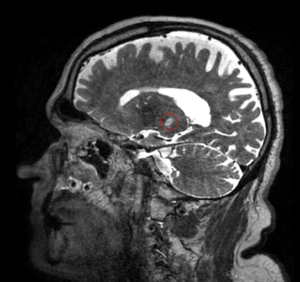
Doctors usually diagnose Bell’s palsy from the pattern of symptoms and a physical examination. First, they rule out a stroke and other causes. There is no single test for it, so it is often a diagnosis of exclusion. Sometimes the weakness is unusual, appears slowly over weeks, affects both sides, or does not improve within a few weeks. In these cases, a doctor may arrange an MRI or CT scan. The scan checks for a tumour or other structural cause pressing on the facial nerve. Blood tests and nerve conduction studies are sometimes used to assess the severity and likely recovery.
Bell’s Palsy Treatment and Recovery
Effective Bell’s palsy treatment works best when it is started early, ideally within the first three days of symptoms.
Most people with Bell’s palsy recover fully, and many recover completely within three to six months. Bell’s palsy treatment aims to reduce nerve swelling and protect the eye while recovery happens. For a reliable medical overview, see the NHS guide to Bell’s palsy. The main options are:
- Steroids: a short course of corticosteroids started early (ideally within 72 hours) reduces nerve inflammation and significantly improves the chance of full recovery.
- Antiviral medication: sometimes added when a viral cause is suspected.
- Eye protection: because the eye may not close fully, lubricating drops during the day and an ointment or eye patch at night prevent the cornea from drying and being damaged.
- Facial exercises and physiotherapy: gentle exercises help maintain muscle tone and support recovery.
Where a tumour or other structural cause is found, a neurosurgeon may be involved to treat the underlying problem. A small number of people are left with lasting weakness, and specialist Bell’s palsy treatment can help in these cases.
Living With Bell’s Palsy
The condition can be distressing because it affects appearance and everyday functions like eating and speaking. Rest, good eye care, and gentle facial exercises all help, and most people see steady improvement week by week. Emotional support matters too – it can help to know that the outlook for Bell’s palsy is generally very good.
When to See a Specialist
See a doctor promptly for any sudden facial weakness so that a stroke can be ruled out and treatment can start early. If facial weakness does not improve as expected, appears gradually, or comes with other neurological symptoms, a specialist evaluation is important to rule out other causes. Dr. Aditya Gupta assesses and provides Bell’s palsy treatment and care for other facial nerve conditions, including those needing advanced or surgical treatment.
Frequently Asked Questions About Bell’s Palsy
Is Bell’s palsy the same as a stroke?
No. Bell’s palsy is a facial nerve problem and, unlike a stroke, it usually affects the whole side of the face including the forehead. A stroke often spares the forehead and comes with other signs like limb weakness or slurred speech, and it is a medical emergency.
How long does Bell’s palsy last?
Most people begin to improve within two to three weeks and recover fully within three to six months. Recovery is usually quicker and more complete when steroid treatment is started early.
Will my face fully recover?
The majority of people recover completely, especially with early treatment. A small proportion are left with some residual weakness, and continued physiotherapy and specialist care can help in these cases.
What triggers Bell’s palsy?
The exact trigger is often unknown, but it is commonly linked to viral infections that cause the facial nerve to swell. Stress, recent illness and pregnancy may increase the risk.
Can Bell’s palsy come back?
Recurrence is uncommon but possible. If facial weakness returns or affects both sides, it should be investigated more thoroughly to rule out other causes.
How do I protect my eye during Bell’s palsy?
Use lubricating eye drops during the day and an ointment or eye patch at night, since the eye may not close fully. This prevents the cornea from drying out and being damaged while the nerve recovers.