Weakness in Arms or Legs: Is It a Sign of Nerve Damage or Something Serious?
Weakness in arms or legs is a symptom many people experience at some point. Sometimes it happens after physical activity or fatigue. However, in certain cases, it may indicate nerve damage or a serious neurological condition.
If you’ve ever felt your arms or legs becoming suddenly weak, heavy, or difficult to move, it’s natural to feel concerned. Understanding the causes, symptoms, and warning signs of weakness in arms or legs can help you take the right steps early.
What is Weakness in Arms or Legs?


Weakness in arms or legs refers to a loss of strength in one or more limbs. It may feel like:
- Difficulty lifting objects
- Trouble walking or standing
- A heavy or “dead” feeling in limbs
- Reduced grip strength
This condition can affect one side of the body or both, and it may develop suddenly or gradually.
Causes of Weakness in Arms or Legs
There are many possible causes of weakness in arms or legs. Some are mild, while others require urgent medical attention.
1. Nerve Damage (Neuropathy)
Damage to nerves can disrupt signals between the brain and muscles.
Common causes include:
- Diabetes
- Vitamin deficiencies (especially B12)
- Alcohol-related nerve damage
2. Stroke (Medical Emergency)
A stroke occurs when blood flow to the brain is interrupted.
- Sudden weakness, especially on one side
- Difficulty speaking
- Facial drooping
⚠️ This is a life-threatening condition requiring immediate care.
3. Spinal Cord Problems
Conditions affecting the spine can press on nerves.
Examples include:
- Slipped disc
- Spinal stenosis
- Injury
4. Muscle Disorders
Sometimes the problem lies in the muscles themselves.
- Muscular dystrophy
- Myopathy
- Inflammation of muscles
5. Neurological Disorders
Certain brain and nerve conditions can cause weakness.
- Parkinson’s disease
- Multiple sclerosis
- Motor neuron disease
6. Infections or Inflammation
Some infections can affect nerves or muscles.
- Viral infections
- Autoimmune diseases
Symptoms Associated with Weakness in Arms or Legs
Weakness rarely occurs alone. It is often accompanied by other symptoms that help identify the underlying cause.
Common symptoms include:
- Tingling or numbness
- Muscle cramps
- Loss of coordination
- Difficulty walking
- Fatigue
Severe symptoms may include:
- Slurred speech
- Vision problems
- Loss of balance
- Sudden paralysis
Warning Signs You Should NOT Ignore
Certain signs indicate that weakness in arms or legs could be serious.
🚨 Seek immediate medical help if you notice:
- Sudden weakness on one side of the body
- Difficulty speaking or understanding speech
- Loss of vision
- Severe headache
- Loss of consciousness
These could be signs of a stroke or other critical neurological condition.
When to See a Doctor
You should consult a neurologist if:
- Weakness persists for more than a few days
- Symptoms are worsening
- You experience numbness or tingling
- Weakness affects daily activities
- There is no clear cause
👉 Early diagnosis can prevent complications and improve recovery.
For expert neurological consultation, visit:
You can also explore:
Diagnosis of Weakness in Arms or Legs
To identify the cause, doctors may recommend:
1. Physical Examination
Checking strength, reflexes, and coordination.
2. Blood Tests
To detect:
- Vitamin deficiencies
- Infections
- Metabolic issues
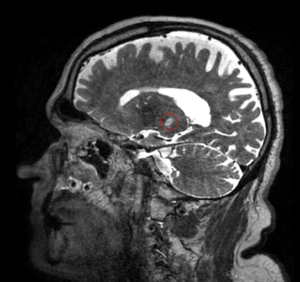
3. Imaging Tests
- MRI
- CT scan
These help visualize the brain and spinal cord.
4. Nerve Tests
- EMG (Electromyography)
- Nerve conduction studies
Treatment Options
Treatment depends on the underlying cause of weakness in arms or legs.
1. Medications
- Anti-inflammatory drugs
- Pain relievers
- Medicines for nerve conditions
2. Physical Therapy
Helps improve strength and mobility.
3. Lifestyle Changes
- Balanced diet
- Regular exercise
- Managing diabetes
4. Surgery
Needed in cases like:
- Spinal compression
- Tumors
5. Rehabilitation
For recovery after stroke or nerve injury.
Prevention Tips
While not all causes can be prevented, you can reduce risk by:
- Maintaining healthy blood sugar levels
- Eating a nutrient-rich diet
- Exercising regularly
- Avoiding smoking and alcohol abuse
- Managing stress
Conclusion
Weakness in arms or legs should never be ignored, especially if it appears suddenly or worsens over time. While it can sometimes be due to simple causes like fatigue, it may also signal serious neurological conditions such as nerve damage or stroke.
Therefore, paying attention to warning signs and seeking timely medical care is crucial. Early diagnosis leads to better outcomes and improved quality of life.
If you’re experiencing persistent symptoms, consider consulting a neurologist for proper evaluation and treatment.
For more detailed medical information, refer to trusted sources like the Mayo Clinic.
FAQs
1. What causes sudden weakness in arms or legs?
Sudden weakness can be caused by stroke, nerve compression, or infections. Immediate medical attention is important.
2. Is weakness in limbs always serious?
Not always. It can result from fatigue or minor issues, but persistent or sudden weakness should be evaluated.
3. Can nerve damage cause weakness?
Yes, nerve damage disrupts signals to muscles, leading to weakness.
4. When should I worry about muscle weakness?
If it is sudden, worsening, or associated with symptoms like speech difficulty or numbness.
5. Can weakness be treated?
Yes, treatment depends on the cause and may include medication, therapy, or lifestyle changes.
6. How is weakness diagnosed?
Doctors use physical exams, blood tests, imaging, and nerve studies.