Back and neck problems affect millions of people. For most, rest and physiotherapy are enough. But when symptoms are severe or keep getting worse, spine surgery can bring lasting relief. This guide explains what spine surgery is, when you may need it, the main types, and what recovery looks like. It also explains when to see a neurosurgeon.
What Is Spine Surgery?
Spine surgery treats problems in the bones, discs and nerves of the spine. Surgeons perform it to relieve pain, ease nerve pressure and restore stability. Modern spine surgery is often minimally invasive. This means smaller cuts, less pain and a faster recovery.
When Do You Need Spine Surgery?
Most back and neck pain improves without an operation. Doctors usually suggest spine surgery only after conservative care has failed. You may need it in these situations:
- Severe pain that does not improve after several weeks of treatment.
- A slip disc that presses on a nerve.
- Spinal stenosis that limits your walking.
- Progressive weakness or numbness in an arm or leg.
- Loss of bladder or bowel control, which is an emergency.
If you have neck pain with arm numbness, get it checked early.
Common Types of Spine Surgery
Discectomy
The surgeon removes the part of a herniated disc that presses on a nerve. This eases pain that travels down the leg or arm.
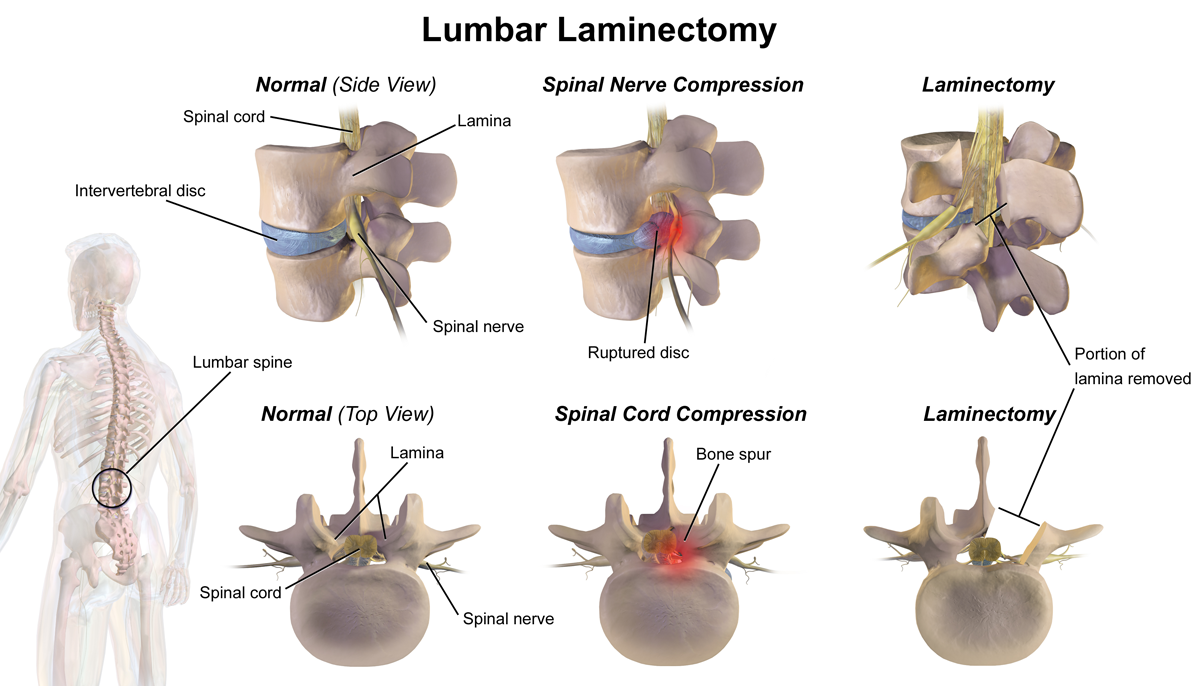
Laminectomy
The surgeon removes a small piece of bone to create more space for the nerves. This helps people with spinal stenosis.
Spinal Fusion
The surgeon joins two or more vertebrae to make the spine more stable. This helps when instability causes pain.
Minimally Invasive Spine Surgery
Surgeons use small incisions and special tools. As a result, patients feel less pain and recover faster. Learn more about minimally invasive neurosurgery.
How Doctors Plan Spine Surgery
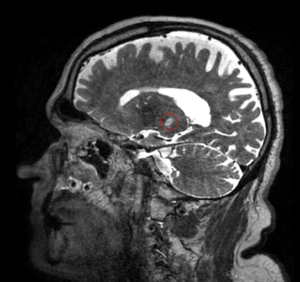
Careful planning makes spine surgery safer. First, the surgeon reviews your symptoms and examines you. Next, an MRI scan shows the discs, bones and nerves in detail. This helps the surgeon target the exact problem. Good planning leads to better results.
Recovery After Spine Surgery
Recovery depends on the type of surgery. After a minimally invasive procedure, many people walk the same day. Most return to light activities within a few weeks. Physiotherapy rebuilds strength and flexibility. Follow your surgeon’s advice closely to protect your spine and lower the risk of future problems.
When to See a Neurosurgeon
See a neurosurgeon if back or neck pain limits your daily life, spreads into a limb, or comes with numbness or weakness. Seek emergency care for loss of bladder or bowel control. Early expert advice helps you avoid unnecessary surgery and choose the safest treatment. Dr. Aditya Gupta offers advanced spine care with a focus on conservative treatment first. For a trusted overview, you can read the NINDS back pain guide.
Frequently Asked Questions About Spine Surgery
Is spine surgery safe?
Modern spine surgery is very safe in expert hands. Minimally invasive methods lower the risks further. Your surgeon will explain the specific risks for your case.
How long does recovery take?
Recovery depends on the procedure. After a minimally invasive operation, many people return to light activities within a few weeks. A fusion may need a longer recovery.
Will I be able to walk after spine surgery?
Yes. Many people walk on the same or next day after minimally invasive surgery. Early movement actually helps recovery.
Can spine surgery be avoided?
Often, yes. Most back problems improve with physiotherapy, exercise and medication. Surgeons advise an operation only when these steps fail or nerve damage threatens.
What is minimally invasive spine surgery?
It uses small incisions and special instruments. This causes less muscle damage, less pain and a quicker recovery than traditional open surgery.
When is back pain an emergency?
Seek immediate care if you lose bladder or bowel control, feel numbness around the groin, or notice rapidly worsening leg weakness. These are signs of serious nerve compression.