Neck Pain and Arm Numbness: Could It Be a Cervical Disc Problem?
Neck pain and arm numbness are common problems today, especially among people who spend long hours on computers or mobile phones. However, when these symptoms occur together, they may point to a cervical disc problem.
Many patients ignore early signs, assuming it is just muscle strain. But in some cases, it could involve nerve compression in the neck. Therefore, understanding the cause of neck pain and arm numbness cervical disc problem is important for timely treatment and recovery.
What Is a Cervical Disc Problem?

The cervical spine refers to the neck portion of your spine, made up of seven bones (vertebrae). Between these bones are soft cushions called discs.
These discs:
- Act as shock absorbers
- Allow smooth neck movement
- Protect nerves coming out of the spine
A cervical disc problem occurs when:
- A disc bulges or slips out (herniation)
- It presses on nearby nerves
As a result, this pressure can cause pain, tingling, or numbness in the arm.
Causes of Neck Pain and Arm Numbness Cervical Disc Problem
Several factors can lead to this condition:
1. Age-Related Degeneration
As we age, discs lose water content. This makes them weaker and more prone to damage.
2. Poor Posture
Constant forward head posture (mobile/laptop use) puts extra stress on the neck.
3. Injury or Trauma
Sudden movements, accidents, or falls can damage cervical discs.
4. Repetitive Strain
Jobs that involve long sitting or repetitive neck movement increase risk.
5. Lack of Physical Activity
Weak neck and back muscles fail to support the spine properly.
Symptoms of Cervical Disc Problem
The symptoms can vary depending on the severity and nerve involvement.
Common Symptoms:
- Persistent neck pain
- Pain radiating to shoulders and arms
- Tingling sensation (“pins and needles”)
- Numbness in arms or fingers
- Muscle weakness in hands
Additional Symptoms:
- Burning or electric shock-like pain
- Reduced neck movement
- Headaches starting from the neck
⚠️ Warning Signs You Should Not Ignore
Some symptoms require immediate attention:
- Severe or worsening pain
- Loss of strength in arms or hands
- Difficulty holding objects
- Loss of balance
- Symptoms affecting both arms
These signs may indicate significant nerve compression and should not be ignored.
When to See a Doctor
You should consult a neurosurgeon if:
- Pain lasts more than 1–2 weeks
- Numbness is persistent
- Symptoms are getting worse
- Pain interferes with sleep or daily activities
👉 Early consultation helps avoid complications and reduces the need for surgery.
You can explore expert care at:
- https://dradityagupta.com/conditions-treated/spine-surgery/
- https://dradityagupta.com/services/minimally-invasive-spine-surgery/
Diagnosis of Cervical Disc Problem
Doctors use a combination of:
1. Physical Examination
Checking strength, reflexes, and sensation.
2. Imaging Tests
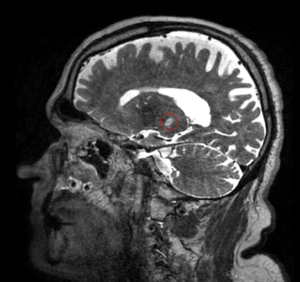
- MRI scan (most important)
- CT scan (in some cases)
- X-rays (to assess bone structure)
These tests help confirm disc herniation and nerve compression.
For detailed medical information, refer to:
https://www.mayoclinic.org/diseases-conditions/herniated-disk/symptoms-causes/syc-20354095
Treatment Options
Treatment depends on severity.
🟢 Non-Surgical Treatment (First Line)
Most patients improve without surgery.
- Rest and activity modification
- Physiotherapy
- Pain medications
- Neck exercises
- Posture correction
🟡 Advanced Non-Surgical Options
- Epidural steroid injections
- Nerve pain medications
These help reduce inflammation and pain.
🔴 Surgical Treatment
Surgery may be needed if:
- Severe nerve compression
- Persistent symptoms
- Weakness in arms
Common procedures include:
- Discectomy (removal of disc)
- Artificial disc replacement
- Spinal fusion
👉 Learn more about surgical options:
Prevention Tips
You can reduce your risk by:
- Maintaining proper posture
- Taking breaks from screen time
- Using ergonomic chairs
- Doing regular neck exercises
- Avoiding sudden jerky movements
- Keeping a healthy weight
Conclusion
Neck pain and arm numbness may seem minor at first. However, they can be early signs of a cervical disc problem.
Ignoring these symptoms may lead to worsening pain or nerve damage. Therefore, timely diagnosis and proper treatment are essential.
👉 If you are experiencing persistent symptoms, consider consulting a specialist for accurate evaluation and treatment.
❓ Frequently Asked Questions (FAQs)
1. Can neck pain and arm numbness go away on their own?
Yes, mild cases often improve with rest and physiotherapy. However, persistent symptoms need medical evaluation.
2. Is cervical disc problem serious?
It can become serious if nerve compression worsens. Early treatment helps prevent complications.
3. How long does recovery take?
Most patients recover within a few weeks with proper treatment. Severe cases may take longer.
4. Do all cervical disc problems require surgery?
No, most cases are treated without surgery. Surgery is needed only in severe conditions.
5. Can exercise help in cervical disc problems?
Yes, guided physiotherapy and exercises can significantly improve symptoms.
6. What is the best sleeping position for neck pain?
Sleeping on your back or side with proper neck support is recommended.