Do your legs ache, tire or go numb after walking a short distance? Do they feel better as soon as you sit down or lean forward? If so, you may have lumbar spinal stenosis. A narrowing of the spinal canal causes this common condition. It affects millions of people, especially over the age of 50. The good news is that it is very treatable. This detailed guide explains what spinal stenosis is and why it develops. It covers the symptoms to look out for and how doctors diagnose it. It also explains the full range of modern spinal stenosis treatment options, from conservative care to minimally invasive surgery. Choosing the right spinal stenosis treatment early can make a real difference to your mobility and comfort.
What Is Lumbar Spinal Stenosis?
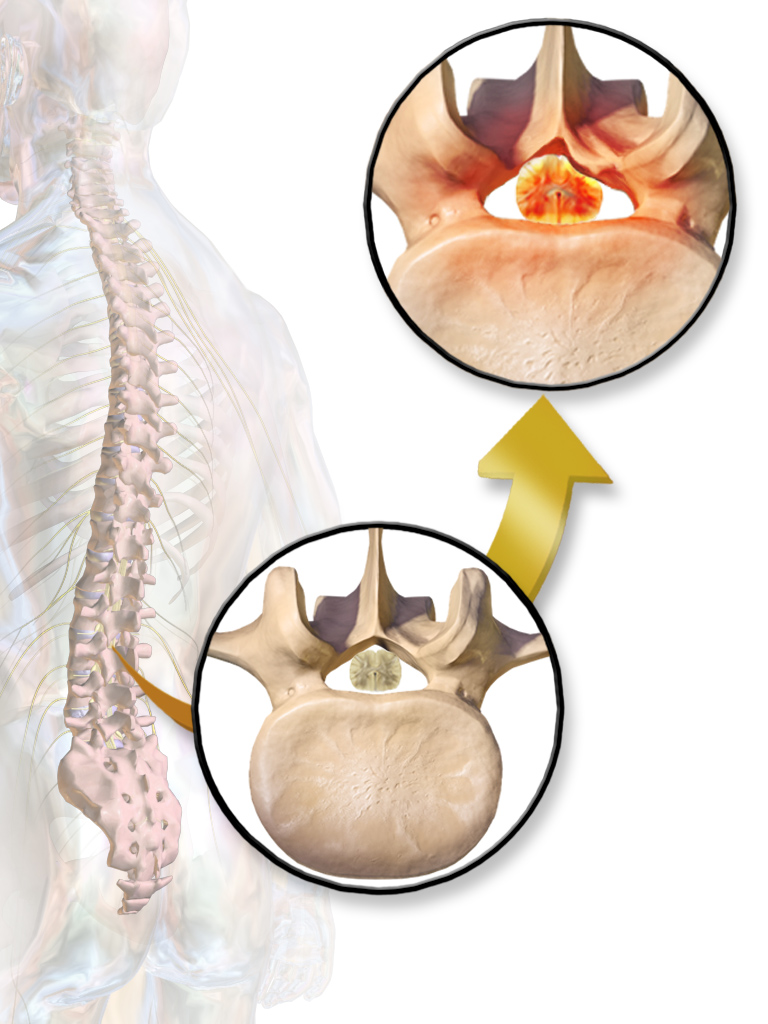
Spinal stenosis is a narrowing of the spaces within your spine. The spinal canal is the tunnel that runs down the middle of the vertebrae. It protects the spinal cord and nerves. When this canal narrows in the lower back (the lumbar region), it presses on the nerves. These nerves travel down to your legs. The result is pain, numbness, tingling or weakness, typically brought on by standing and walking. Stenosis can also occur in the neck (cervical stenosis). However, lumbar stenosis is the most common form and the main focus of spinal stenosis treatment.
What Causes Spinal Stenosis?
The most common cause is age-related wear and tear (osteoarthritis) of the spine. Over the years, several changes can reduce the space around the nerves:
- Bone spurs (osteophytes): extra bone that grows as joints degenerate and juts into the canal.
- Thickened ligaments: the ligaments that support the spine can stiffen and bulge inward over time.
- Bulging or herniated discs: a slip disc can push into the canal and press on nerves.
- Thickening or slippage of vertebrae (spondylolisthesis), where one bone slides over another.
Less common causes include spinal injuries, tumours, and inherited narrow canals present from a young age.
Spinal Stenosis Symptoms
The hallmark symptom is leg pain, heaviness or cramping. It comes on with standing or walking and eases when you sit or bend forward. Doctors call this pattern neurogenic claudication. Many people notice they can walk further when leaning on a shopping trolley. Bending forward opens up the canal, which eases the pressure. Other symptoms include:
- Lower back pain and stiffness.
- Numbness or tingling in the buttocks, legs or feet.
- Weakness in the legs, particularly during activity.
- Relief when sitting, bending forward or lying down.
When stenosis affects the neck, symptoms overlap with cervical spondylosis. These may include arm and hand symptoms.
Warning Signs That Need Urgent Care
Seek immediate medical attention if you develop loss of bladder or bowel control, numbness around the groin or inner thighs, or rapidly worsening weakness in both legs. These are signs of severe nerve compression (cauda equina syndrome) that need emergency treatment to prevent permanent damage.
How Spinal Stenosis Is Diagnosed
Your doctor will ask about your symptoms and how far you can walk, and examine your reflexes, strength, sensation and the way you walk. Symptoms often ease with bending forward. Because of this, doctors frequently suspect the diagnosis from the history alone. An MRI scan is the most accurate way to confirm the narrowing. It shows the soft tissues, discs and nerves. It also pinpoints exactly which levels are affected. A CT scan or X-ray may be used to look at the bones, and nerve studies can help distinguish stenosis from other nerve conditions. For a trusted overview, see MedlinePlus.
Spinal Stenosis Treatment Options
Non-Surgical Treatment
Most spinal stenosis treatment begins with conservative, non-surgical care.
Most people start with, and improve on, conservative care. It includes physiotherapy to strengthen the core and improve posture and flexibility. It also involves staying mobile within comfortable limits and using anti-inflammatory and pain-relieving medication. In some cases, epidural steroid injections reduce nerve inflammation and provide relief. Bending forward opens the canal. So exercises and postures that promote a slight forward lean often help.
Surgical Treatment
Sometimes symptoms are severe, keep worsening, or fail to respond to several months of conservative care. In these cases, surgery to create more space around the nerves (decompression, such as a laminectomy) can bring significant and lasting relief. In some cases, a fusion is added to keep the spine stable. Modern minimally invasive spine surgery performs decompression through small incisions. This means less muscle damage, less blood loss and a quicker recovery than traditional open surgery. Many patients experience a marked improvement in their walking distance and leg symptoms afterwards.
Recovery After Spinal Stenosis Surgery
Recovery depends on the type of surgery and your general health. After a minimally invasive decompression, many people are up and walking the same or next day. Most return to light activities within a few weeks. A structured physiotherapy programme helps rebuild strength and mobility, and most people notice a steady improvement in leg symptoms over the following weeks and months.
Living With and Preventing Spinal Stenosis
Staying active and keeping a healthy weight both protect your spine. Strengthening your core and practising good posture also help you manage symptoms. Low-impact exercise usually feels comfortable. Good options include cycling, swimming and walking, often with a slight forward lean. Avoiding smoking and taking regular breaks from prolonged standing can also reduce symptoms.
When to See a Specialist
Does leg pain limit how far you can walk? Do you notice numbness or weakness affecting daily life? A spine specialist can confirm the diagnosis and recommend the least invasive effective treatment. Dr. Aditya Gupta offers advanced, evidence-based care for spinal stenosis and other spine conditions, focusing on conservative spinal stenosis treatment first and minimally invasive surgery when it is genuinely needed.
Frequently Asked Questions About Spinal Stenosis
Can spinal stenosis be treated without surgery?
Yes. Many people manage spinal stenosis successfully with physiotherapy, exercise, activity changes, medication and, when needed, spinal injections. Surgery is usually reserved for severe or worsening symptoms that do not respond to conservative care.
What activities should I avoid with spinal stenosis?
Avoid activities that involve prolonged standing, walking long distances without rest, and repeated backward bending (extension), as these narrow the canal further. Forward-leaning activities like cycling are usually better tolerated.
Does spinal stenosis get worse over time?
Because it is often caused by age-related changes, stenosis can progress slowly. However, symptoms fluctuate, and many people keep them well controlled for years with the right treatment and exercise.
Is walking good or bad for spinal stenosis?
Staying active is important, but walking may bring on leg symptoms. Many people find it easier to walk while leaning slightly forward, or to use a stationary bike, which keeps the spine flexed and the canal open.
How successful is spinal stenosis surgery?
Decompression surgery is highly effective for relieving leg pain and improving walking distance in well-selected patients, with modern minimally invasive techniques offering quicker recovery. Your surgeon will discuss the expected benefits and risks for your case.
When should I see a doctor for spinal stenosis?
See a doctor if leg pain limits your walking or comes with numbness or weakness. Seek emergency care for loss of bladder or bowel control or rapidly worsening weakness in both legs.