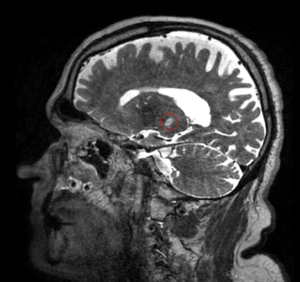
A brain aneurysm can be silent for years, yet it can also become a medical emergency. The good news is that modern brain aneurysm treatment is safe and effective. This guide explains what a brain aneurysm is, its warning signs, how doctors diagnose it, and the main brain aneurysm treatment options. It also explains when to seek urgent help.
What Is a Brain Aneurysm?
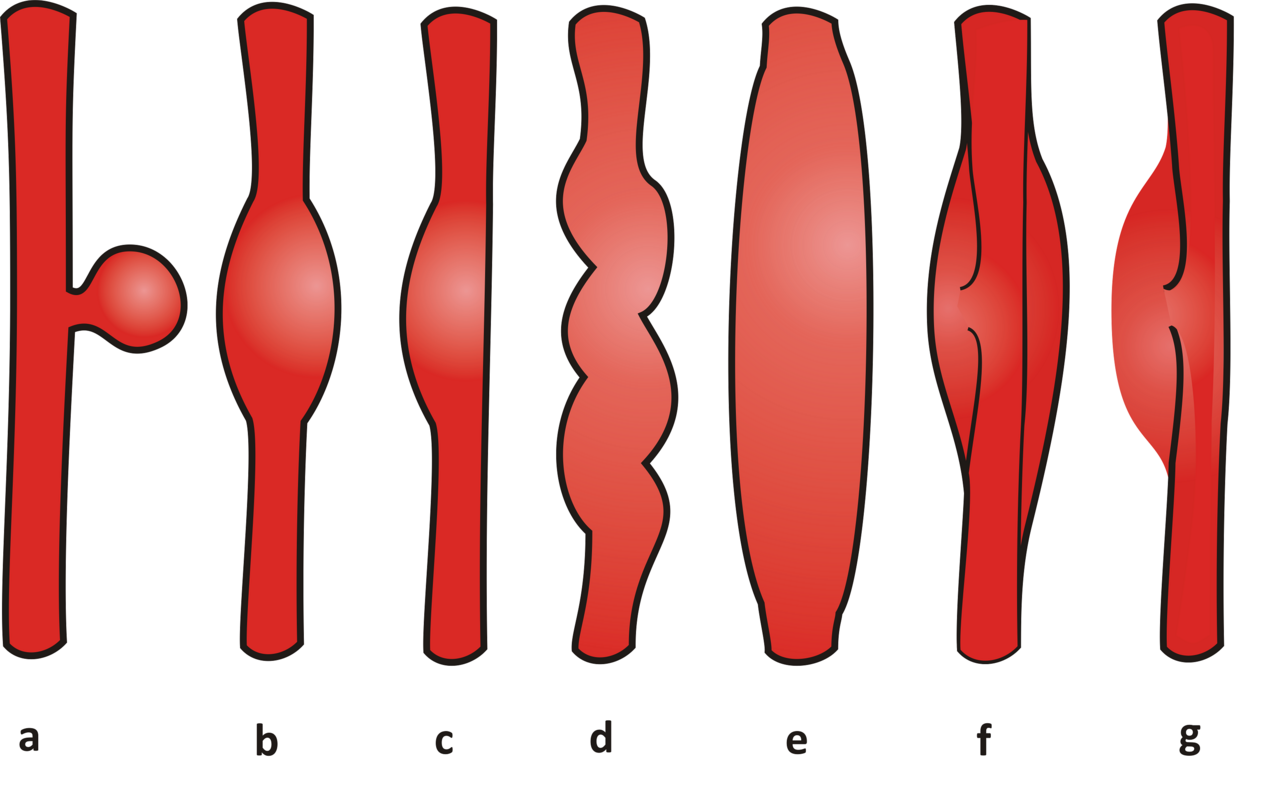
A brain aneurysm is a weak, bulging spot in the wall of a brain artery. It fills with blood and balloons outward. Many aneurysms stay small and cause no symptoms. However, a large or growing aneurysm can leak or burst. A burst aneurysm causes bleeding in the brain, which is a life-threatening emergency. Timely brain aneurysm treatment can prevent this.
Brain Aneurysm Symptoms
Most unruptured aneurysms cause no symptoms. Doctors often find them by chance during a scan. A large aneurysm may press on nearby nerves. This can cause:
- Pain above or behind one eye.
- A drooping eyelid.
- Double or blurred vision.
- A widened pupil on one side.
Warning Signs of a Ruptured Aneurysm
A ruptured aneurysm is an emergency. Call for help at once if you notice a sudden, severe “worst headache of my life,” a stiff neck, nausea, sensitivity to light, or loss of consciousness. Learn more about a sudden severe headache and brain bleeding.
How Doctors Diagnose a Brain Aneurysm
Doctors use imaging to find and measure an aneurysm. A CT scan quickly shows bleeding in an emergency. A CT angiogram or MRI angiogram maps the brain’s arteries in detail. In some cases, doctors use a catheter angiogram for the clearest picture. These tests guide the safest brain aneurysm treatment.
Brain Aneurysm Treatment Options
The right brain aneurysm treatment depends on the size, shape and location of the aneurysm. It also depends on your age and health.
Surgical Clipping
The surgeon places a tiny metal clip at the base of the aneurysm. This stops blood from entering it. Clipping is a proven and durable treatment.
Endovascular Coiling
The surgeon guides a thin tube through a blood vessel to the aneurysm. Then soft coils fill the aneurysm and block blood flow. This method avoids open surgery.
Flow Diversion
The surgeon places a special stent in the artery. This redirects blood away from the aneurysm, so it heals over time.
Monitoring
Doctors watch small, low-risk aneurysms with regular scans. They treat them only if the aneurysm grows or changes.
Recovery After Brain Aneurysm Treatment
Recovery depends on the method and whether the aneurysm had ruptured. After a coiling procedure, many people recover quickly. After a rupture, recovery takes longer and may need rehabilitation. Regular follow-up scans confirm that the treatment worked. A neurosurgeon guides each step of your care.
When to See a Neurosurgeon
See a neurosurgeon if a scan shows an aneurysm, or if you have unexplained eye or vision problems. Seek emergency care at once for a sudden, severe headache. Early brain aneurysm treatment can prevent a dangerous bleed. Dr. Aditya Gupta treats brain aneurysms using advanced surgical and endovascular techniques. For a trusted overview, you can read the NINDS cerebral aneurysm guide.
Frequently Asked Questions About Brain Aneurysm Treatment
Does every brain aneurysm need treatment?
No. Doctors monitor many small aneurysms with regular scans. They treat an aneurysm when it is large, growing, or has a high risk of rupture.
Is brain aneurysm surgery dangerous?
Modern treatment is safe in expert hands. Both clipping and coiling have good success rates. Your neurosurgeon explains the specific risks for your case.
Can a brain aneurysm be cured?
Yes. Clipping, coiling and flow diversion can permanently seal an aneurysm. Follow-up scans confirm that the treatment has worked.
What causes a brain aneurysm?
Risk factors include high blood pressure, smoking, a family history, and age. Controlling blood pressure and not smoking lower the risk.
What is the difference between clipping and coiling?
Clipping uses open surgery to place a clip on the aneurysm. Coiling fills the aneurysm through a blood vessel without open surgery. Your surgeon chooses the safest option for you.
What should I do during a sudden severe headache?
Treat it as an emergency and seek immediate medical help. A sudden, extreme headache can signal a ruptured aneurysm, which needs urgent care.