Persistent tingling, burning or numbness in your hands and feet is often a sign of peripheral neuropathy. This means damage to the nerves that carry signals between your brain, spinal cord and the rest of your body. It can range from a mild nuisance to a condition that seriously affects balance, sleep and quality of life. Early diagnosis matters. The right peripheral neuropathy treatment can slow or stop the nerve damage and ease symptoms. In some cases, it can even reverse the problem. This guide explains what peripheral neuropathy is, plus its causes and symptoms. It shows how doctors diagnose it. It also covers the peripheral neuropathy treatment options that bring relief.
What Is Peripheral Neuropathy?
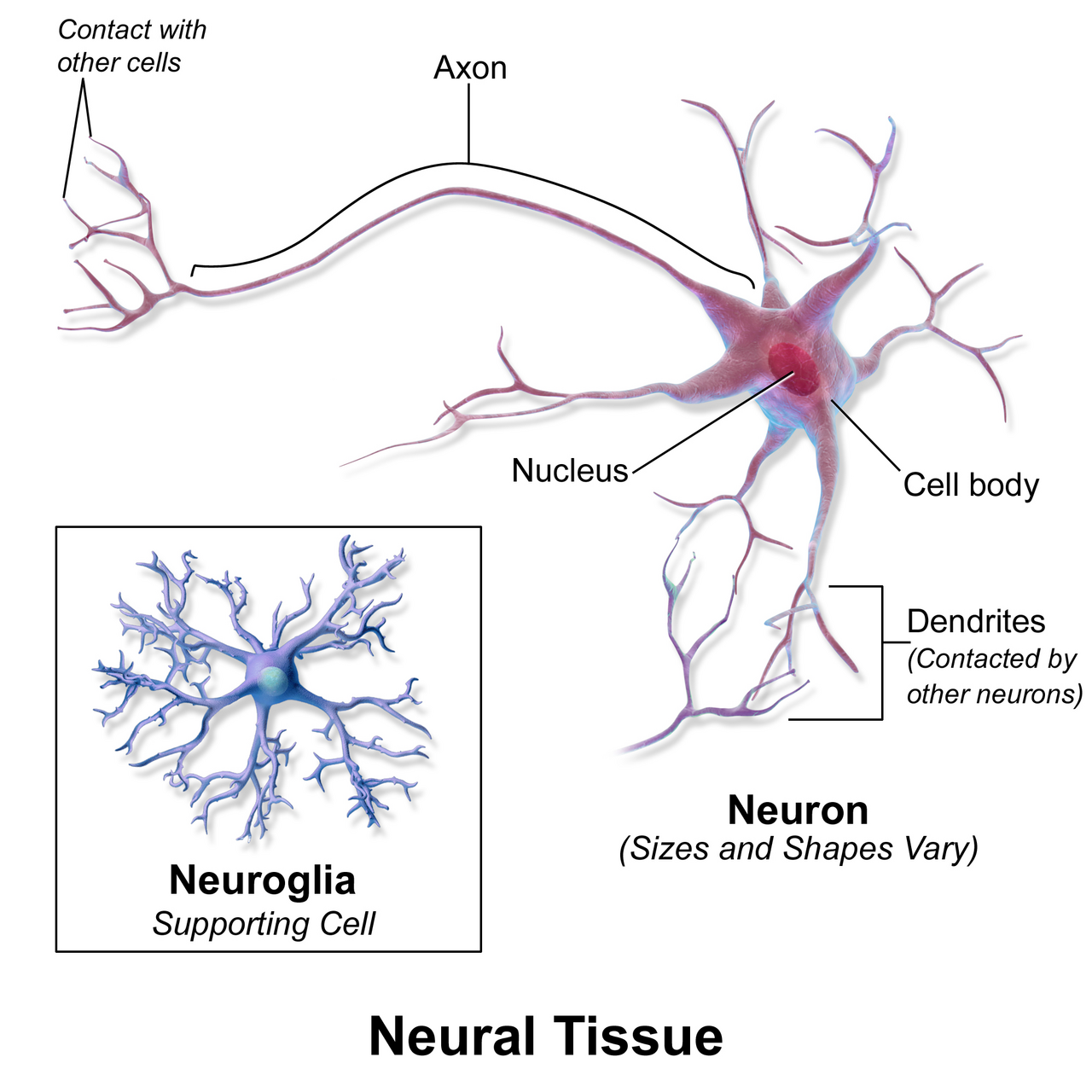
Peripheral neuropathy results from damage to the peripheral nerves. This vast network of nerves sits outside the brain and spinal cord. It connects them to your skin, muscles and organs. These nerves carry three types of signals. Sensory nerves handle touch, temperature and pain. Motor nerves control movement, and autonomic nerves manage functions like blood pressure and digestion. When nerves are damaged, they can send wrong signals. This may cause pain or burning when there is no injury. They can also fail to send signals at all, which causes numbness or weakness. Neuropathy may affect a single nerve (mononeuropathy). More commonly, it affects many nerves at once (polyneuropathy). Peripheral neuropathy treatment aims to protect the nerves and ease symptoms.
Common Causes of Nerve Damage
There are more than a hundred possible causes of peripheral neuropathy. The most common ones include:
- Diabetes: the single most common cause, where high blood sugar damages nerves over time, usually starting in the feet.
- Vitamin deficiencies: especially vitamin B12, which is essential for healthy nerves.
- Long-term alcohol use: both from the toxic effect of alcohol and from associated poor nutrition.
- Infections: such as shingles, Lyme disease and certain viral infections.
- Autoimmune conditions: where the immune system attacks the nerves.
- Certain medications and toxins: including some chemotherapy drugs.
- Physical pressure or injury: such as a trapped nerve, or compression from a slipped disc or sciatica.
- Kidney or thyroid disease and, sometimes, an inherited condition.
In some people no cause is found, which is called idiopathic neuropathy.
Peripheral Neuropathy Symptoms
Symptoms usually start in the feet and hands – the longest nerves are affected first – and often follow a “stocking and glove” pattern. They may include:
- A tingling or “pins and needles” feeling.
- Burning, stabbing or electric-shock-like pain, often worse at night.
- Numbness that reduces the ability to feel touch, temperature or pain.
- Extreme sensitivity to touch, where even light contact feels painful.
- Loss of balance and coordination, increasing the risk of falls.
- Muscle weakness or wasting in more advanced cases.
If you often experience tingling and numbness in the hands and feet, it is worth getting checked, especially if you have diabetes.
When Nerve Symptoms Are a Warning Sign
See a doctor promptly if numbness or weakness spreads quickly, affects your balance or ability to walk, follows an injury, or is joined by other neurological warning signs such as loss of bladder control. Sudden, severe or rapidly progressing weakness needs urgent evaluation, as it can occasionally point to a serious condition.
How Peripheral Neuropathy Is Diagnosed
Diagnosis starts with a careful history and a neurological examination. This examination tests your reflexes, muscle strength, sensation and coordination. Blood tests look for common causes. These include diabetes, vitamin B12 deficiency, thyroid problems and inflammation. Nerve conduction studies and electromyography (EMG) measure how well your nerves and muscles work. They can also show the type and severity of the damage. Your doctor may arrange an MRI if a disc or growth seems to be compressing a nerve. Occasionally, a nerve biopsy is needed too.
Peripheral Neuropathy Treatment Options
Peripheral neuropathy treatment works best when it targets both the underlying cause and the symptoms at the same time.
Treatment has two goals: managing the underlying cause and relieving symptoms.
Treating the Cause
Several steps can slow or even reverse further nerve damage. These include controlling blood sugar in diabetes and correcting vitamin deficiencies. Treating thyroid or kidney disease and cutting down on alcohol also help. Addressing the root cause is the single most important step in peripheral neuropathy treatment. You can find a trusted overview on MedlinePlus.
Relieving Symptoms
Doctors use specific medications to calm nerve pain. These differ from ordinary painkillers. Topical treatments can also ease localised symptoms. Physiotherapy improves strength, balance and mobility, and occupational therapy helps with daily tasks. Good foot care is essential for people with numb feet to prevent injuries and ulcers.
Treating Nerve Compression
Sometimes a herniated disc, a trapped nerve or a growth physically compresses a nerve. In these cases, a procedure to relieve the pressure can improve or resolve symptoms. Advanced minimally invasive techniques allow this to be done with small incisions and a faster recovery.
Living With Peripheral Neuropathy
Simple daily habits make a big difference. Check your feet every day for cuts or blisters, and wear well-fitting shoes. Stay active, eat a balanced diet rich in B vitamins, limit alcohol, and manage any underlying condition closely. Making your home safer – good lighting and removing trip hazards – reduces the risk of falls from reduced sensation.
When to See a Specialist
Nerve symptoms deserve a specialist opinion if they persist, worsen or interfere with daily life. Early treatment gives the best chance of protecting nerve function and preventing complications. Dr. Aditya Gupta evaluates and treats nerve conditions, including those caused by compression that may need surgical care.
Frequently Asked Questions About Peripheral Neuropathy
Can peripheral neuropathy be cured?
It depends on the cause. When neuropathy is caught early and the underlying cause – such as a vitamin deficiency or nerve compression – is treated, symptoms can improve or resolve. In long-standing cases the aim is often to slow progression and manage symptoms.
Is peripheral neuropathy serious?
It can range from mild to disabling. Beyond discomfort, reduced sensation raises the risk of falls and unnoticed injuries, especially in the feet, so it should always be assessed and managed properly.
What is the most common cause of neuropathy?
Diabetes is the most common cause worldwide. Keeping blood sugar well controlled is one of the most effective ways to prevent and slow diabetic neuropathy.
Does neuropathy get worse over time?
Untreated neuropathy often progresses gradually, but treating the underlying cause and following your care plan can slow or halt this progression and, in some cases, improve symptoms.
What foods help nerve health?
A balanced diet rich in B vitamins (from whole grains, eggs, dairy and lean meats), antioxidants from fruit and vegetables, and healthy fats supports nerve health. Limiting alcohol and sugar is equally important.
Can exercise help peripheral neuropathy?
Yes. Regular, gentle exercise improves blood flow to the nerves, helps control blood sugar, and maintains strength and balance, which reduces the risk of falls. Always start gradually and check with your doctor first.