A brain tumor diagnosis is frightening, but modern medicine offers more hope than ever. Today, brain tumor treatment is safer, more precise and more effective than in the past. This guide explains what a brain tumor is, the symptoms to watch for, how doctors diagnose it, and the main brain tumor treatment options. It also explains when to see a neurosurgeon.
What Is a Brain Tumor?
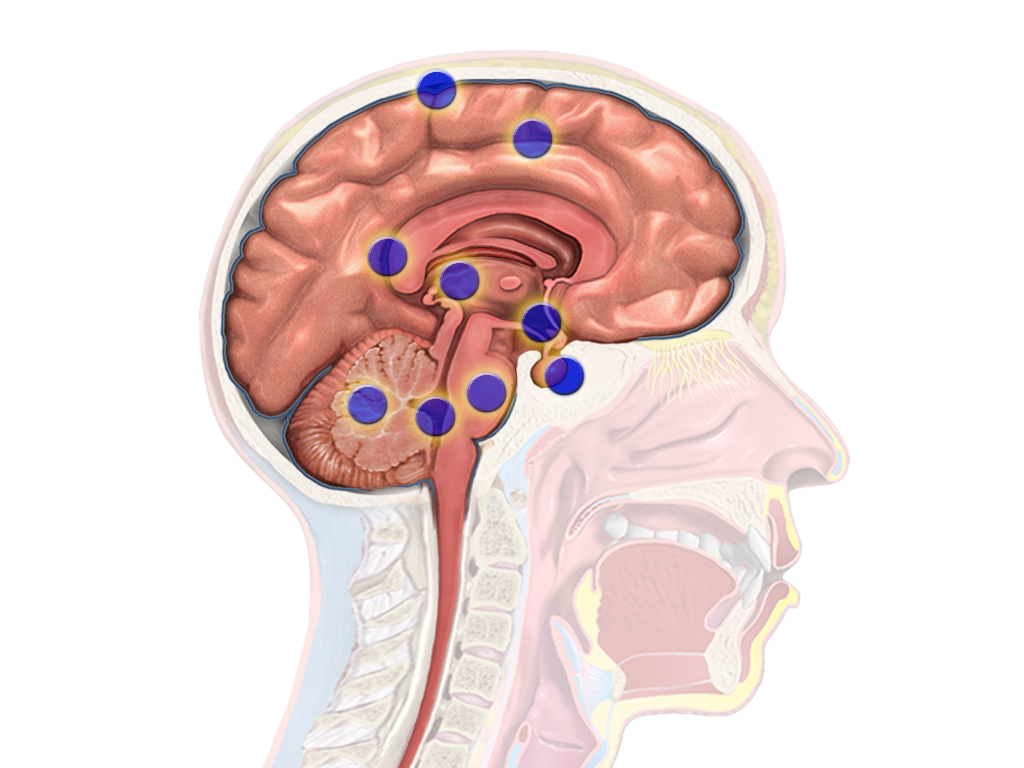
A brain tumor is a growth of abnormal cells in or around the brain. Some tumors are benign (non-cancerous). Others are malignant (cancerous). Doctors also divide them into primary tumors, which start in the brain, and secondary tumors, which spread from cancer elsewhere in the body. The type, size and location of the tumor all shape the right brain tumor treatment plan.
Common Brain Tumor Symptoms
Symptoms depend on where the tumor sits and how fast it grows. Watch for these warning signs:
- New or worsening headaches, often worse in the morning.
- Seizures, especially a first-ever seizure in an adult.
- Nausea or vomiting without a clear cause.
- Vision, hearing or speech problems.
- Weakness or numbness on one side of the body.
- Balance problems and confusion.
- Changes in personality, mood or memory.
If you notice any of these signs, see a doctor. You can also review the signs of a brain tumor and the wider list of neurological symptoms you should never ignore.
How Doctors Diagnose a Brain Tumor
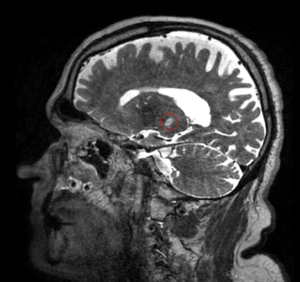
Diagnosis starts with a neurological examination. The doctor checks your vision, balance, reflexes and coordination. An MRI scan is the main imaging test. It shows the tumor’s size, location and type in detail. Sometimes a CT scan or PET scan adds more information. In many cases, the surgeon takes a small sample of tissue (a biopsy) to confirm the exact type of tumor. This step guides the best brain tumor treatment.
Brain Tumor Treatment Options
The right brain tumor treatment depends on the tumor type, its location and your general health. Doctors often combine several methods.
Surgery
Surgery is the first step for many brain tumors. The neurosurgeon removes as much of the tumor as safely possible. Advanced techniques protect healthy brain tissue. For example, awake brain surgery helps preserve speech and movement. A craniotomy gives the surgeon direct access to the tumor.
Radiation Therapy
Radiation uses focused beams to destroy tumor cells. Modern tools such as CyberKnife and Gamma Knife deliver precise, non-invasive radiation. They target the tumor while sparing nearby healthy tissue.
Chemotherapy and Targeted Therapy
Doctors use medicines to kill cancer cells or slow their growth. They may give these drugs after surgery or radiation. Targeted therapies attack specific features of the tumor cells.
Recovery After Brain Tumor Treatment
Recovery varies from person to person. Many people go home within a few days of surgery. Rehabilitation may include physiotherapy, speech therapy and occupational therapy. Regular follow-up scans check for any regrowth. A strong support network helps both the body and the mind heal.
When to See a Neurosurgeon
See a neurosurgeon quickly if scans show a brain tumor, or if you have seizures, persistent headaches or new neurological symptoms. Early, expert brain tumor treatment gives the best chance of a good outcome. Dr. Aditya Gupta is an experienced neurosurgeon who treats brain tumors using advanced, minimally invasive techniques. For a trusted overview, you can also read the National Cancer Institute guide.
Frequently Asked Questions About Brain Tumor Treatment
Are all brain tumors cancerous?
No. Many brain tumors are benign, which means they are not cancer. However, even a benign tumor can cause problems if it presses on the brain. So doctors assess every tumor carefully.
Is brain tumor surgery safe?
Modern brain tumor surgery is very safe in expert hands. Surgeons use advanced imaging and mapping to protect healthy tissue. Your neurosurgeon will explain the specific risks and benefits for your case.
Can a brain tumor be cured?
Many benign tumors can be fully removed and cured. For malignant tumors, treatment aims to remove as much as possible and control the disease. The outlook depends on the tumor type and how early doctors find it.
How long is recovery after brain tumor surgery?
Many people leave the hospital within a few days. Full recovery can take several weeks to a few months. Rehabilitation and follow-up care support a smoother recovery.
What is the difference between CyberKnife and open surgery?
CyberKnife delivers focused radiation without any cuts. Open surgery removes the tumor through an incision. Your neurosurgeon recommends the best option based on the tumor’s size, type and location.
When should I get a brain scan?
Get medical advice if you have a first seizure, new severe headaches, or sudden vision, speech or balance problems. Your doctor will decide whether you need an MRI or CT scan.