Spinal cord injury treatment aims to protect nerves and restore function. Spinal cord injury treatment needs fast, expert care. First, this guide explains each step in simple words. Overall, it also shows how recovery works.
What Is A Spinal Cord Injury?
A spinal cord injury damages the nerve bundle in the spine. This bundle carries signals between the brain and body. Damage can block those signals. The result is weakness or loss of feeling. Causes include falls, crashes, and sports. Fast care limits the harm. People of all genders can suffer this injury. Quick spinal cord injury treatment protects function.
Common Symptoms
Symptoms depend on the injury level. Weakness in the arms or legs is common. Some people lose feeling below the injury. Others have trouble with balance. Bladder control may change. Severe cases affect breathing. See our guide on weakness in arms or legs for more.
Emergency Care First
The first hours are vital. Doctors keep the spine still to prevent more harm. They check breathing and blood flow. Scans show the injury site fast. Early action limits nerve damage. Speed makes a real difference here. Fast spinal cord injury treatment improves the outcome.
How Doctors Diagnose It
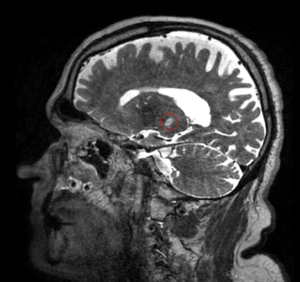
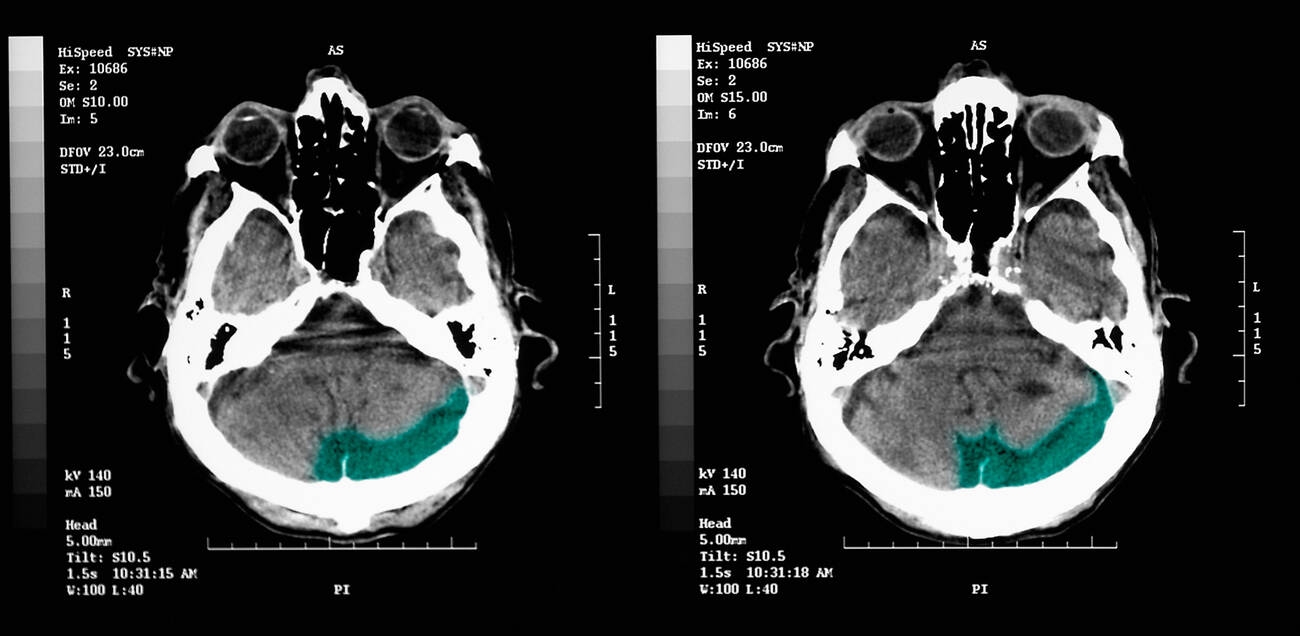
A CT scan shows bone damage clearly. An MRI shows the cord and soft tissue. Doctors test movement and feeling too. These checks map the injury level. This detail shapes the right care plan. An exact diagnosis guides every step.
Surgery To Stabilize The Spine
Surgery often follows a serious injury. The surgeon removes bone or tissue pressing the cord. This eases pressure on the nerves. Rods and screws steady the spine. A stable spine supports healing. Learn about spine surgery types. Skilled hands lower the risk.
Rehabilitation And Recovery
Moreover, rehab is the heart of recovery. Physiotherapy rebuilds strength and movement. Occupational therapy restores daily skills. Assistive tools help with tasks. Steady effort brings steady gains. A strong support team lifts morale. Recovery differs for each person.
Choosing The Right Specialist
Ultimately, the right team improves the outcome. Choose a center with spine and trauma experts. Ask about surgery and rehab results. A good surgeon explains each option clearly. Trusted facts are on the NINDS site. Learn how to choose a neurosurgeon.
Frequently Asked Questions
Can a spinal cord injury heal?
Some injuries heal partly with fast care and rehab. Recovery differs for each person. Early spinal cord injury treatment gives the best chance.
Is surgery always needed?
Not always, but serious injuries often need it. Surgery eases pressure and steadies the spine. A specialist decides based on scans.
What is the first step in care?
Keeping the spine still comes first. Doctors then check breathing and blood flow. Fast action limits nerve damage.
How long is recovery?
Recovery can take months and includes rehab. Progress differs for each person. A strong team guides each step.
Does rehab really help?
Yes, rehab rebuilds strength and daily skills. Steady effort brings steady gains. It is central to recovery.
Can weakness improve over time?
Yes, many people regain some strength with rehab. The amount varies by injury. Early care improves the odds.
Fast, expert spinal cord injury treatment protects nerves and supports recovery. Speak with a spine specialist right away.