Herniated disc treatment relieves nerve pain and restores movement. Herniated disc treatment starts with simple care and may include surgery. First, this guide explains the condition in simple words. Overall, it also shows when surgery helps.
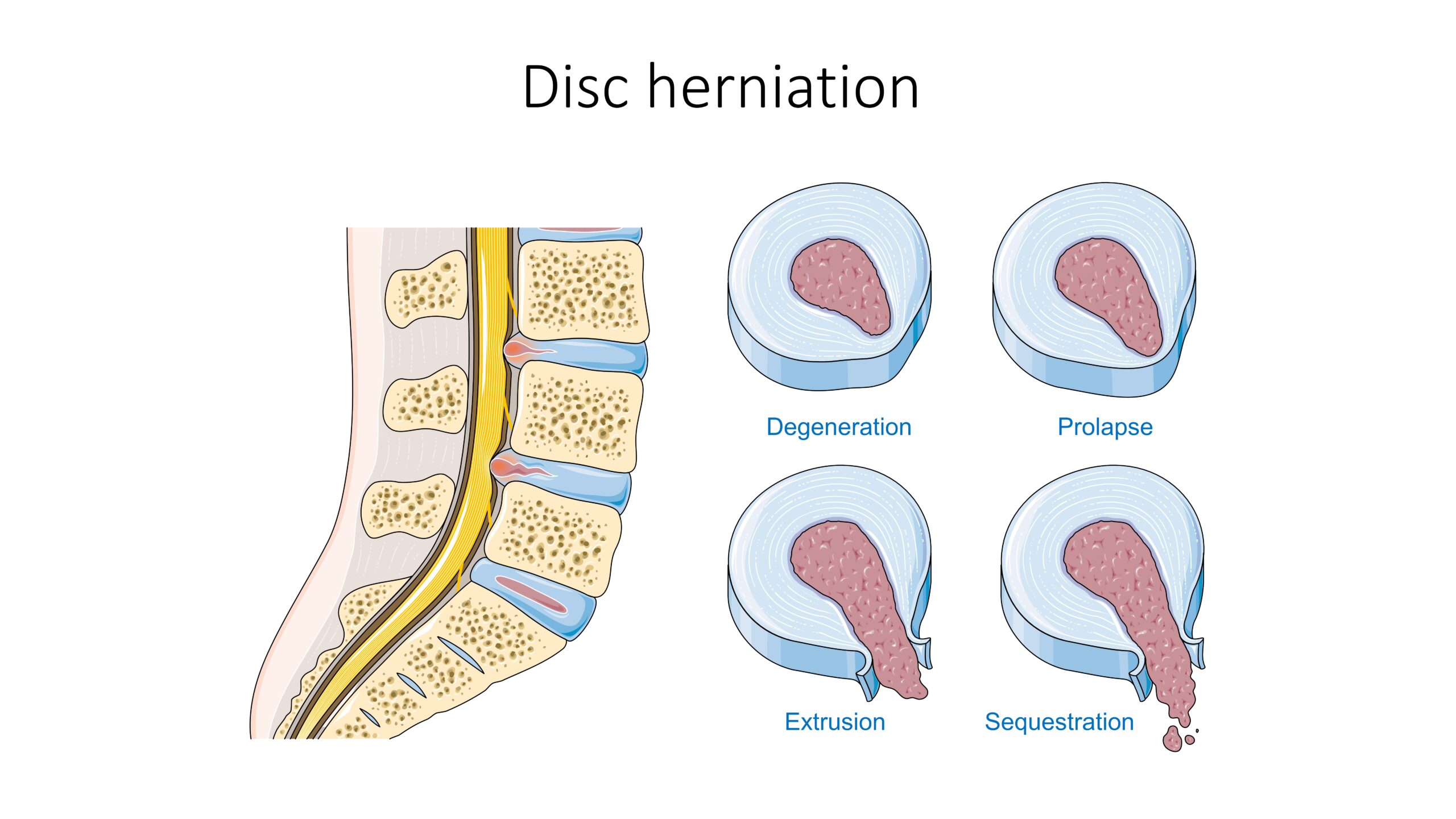
What Is A Herniated Disc?
A herniated disc happens when a spinal disc bulges out. The soft center pushes through a weak spot. This bulge presses on a nearby nerve. The result is pain and numbness. It often affects the lower back or neck. People of all genders can develop it. Good herniated disc treatment starts with a clear diagnosis.
Common Symptoms
Sharp pain down a leg is common. This is called sciatica. Some people feel neck pain that spreads to an arm. Numb or tingling limbs are frequent. Weakness in a foot or hand may appear. Pain often gets worse with sitting. Read our guide on sciatica pain for more.
How Doctors Diagnose It
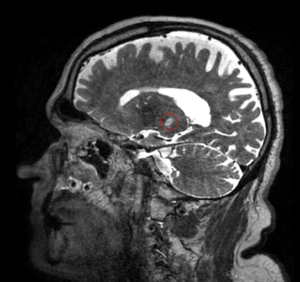
Doctors start with a physical exam. They check your reflexes and strength. An MRI scan confirms the herniated disc. It shows which nerve is pressed. This detail shapes the right herniated disc treatment. An exact diagnosis avoids needless surgery.
Non-Surgical Care First
In fact, most people improve without surgery. Rest and gentle movement help early on. Physiotherapy builds core strength. Medicine eases pain and swelling. Heat and ice give comfort. These steps work for many people. They often solve the problem within weeks.
When Surgery Is Needed
Some cases need more than rest. Surgery helps when pain stays severe. It also helps when weakness grows. The surgeon removes the bulging part. This frees the pressed nerve. Modern methods use tiny cuts. Learn about minimally invasive spine surgery.
Recovery And Prevention
Fortunately, recovery is often quick after surgery. Most people walk the same day. Physiotherapy speeds healing. Good posture protects the spine. Regular exercise keeps the back strong. Lifting the right way prevents a relapse. Your team guides each step.
Choosing The Right Specialist
Ultimately, the right surgeon matters greatly. Choose a center with spine experts. Ask about surgery results and safety. A good surgeon explains each option clearly. Trusted facts are on MedlinePlus. See our guide on spine surgery types.
Frequently Asked Questions
Can a herniated disc heal on its own?
Yes, many heal with rest and physiotherapy. Most people improve within weeks. Surgery is only needed in strong cases.
When is surgery needed?
Surgery helps when pain stays severe or weakness grows. It frees the pressed nerve. A specialist decides the right time.
Is herniated disc surgery safe?
Yes, surgery is safe in expert hands. Modern methods use tiny cuts. Your surgeon explains the risks first.
What is the main symptom?
Sharp pain down a leg or arm is common. Numbness and tingling often follow. Pain may worsen with sitting.
How can I prevent a herniated disc?
Good posture and core strength help a lot. Lift heavy items the right way. Regular exercise keeps the back strong.
How long is recovery after surgery?
Most people walk the same day. Full recovery takes a few weeks. Physiotherapy speeds healing.
Expert herniated disc treatment relieves nerve pain and restores movement. Talk to a spine specialist to plan your care.