Frequent Migraines: Causes, Triggers & Long-Term Treatment Options
Frequent migraines are more than just headaches. They can affect your work, sleep, and overall quality of life. If you are experiencing frequent migraines, you are not alone. Many people struggle with recurring migraine attacks that can last for hours or even days.
Understanding the causes, triggers, and treatment options for frequent migraines is the first step toward better control and relief.
What Are Frequent Migraines?


Frequent migraines refer to repeated episodes of severe headaches, often occurring multiple times a month. In some cases, people may experience migraines more than 15 days per month, which is known as chronic migraine.
Unlike regular headaches, migraines are usually:
- Throbbing or pulsating
- Often on one side of the head
- Accompanied by nausea or vomiting
- Sensitive to light and sound
Causes of Frequent Migraines
The exact cause of frequent migraines is not always clear. However, they are linked to changes in brain activity and nerve signaling.
1. Genetic Factors
Migraines often run in families. If your parents have migraines, your risk is higher.
2. Brain Chemical Imbalance
Changes in chemicals like serotonin can affect pain pathways in the brain.
3. Hormonal Changes
Hormonal fluctuations, especially in women, can trigger migraines.
- Menstrual cycle
- Pregnancy
- Menopause
4. Stress and Emotional Factors
Stress is one of the most common causes of frequent migraines.
5. Sleep Disturbances
Both lack of sleep and oversleeping can trigger attacks.
6. Environmental Factors
Bright lights, loud sounds, and strong smells may contribute to migraines.
Common Triggers of Frequent Migraines
Triggers are specific factors that can bring on a migraine attack.
Lifestyle Triggers
- Skipping meals
- Dehydration
- Excess caffeine or withdrawal
Food Triggers
- Chocolate
- Processed foods
- Aged cheese
- Alcohol
Sensory Triggers
- Bright or flashing lights
- Strong perfumes
- Loud noises
Weather Changes
Changes in temperature or pressure can trigger migraines in some individuals.
Symptoms of Frequent Migraines
Symptoms can vary from person to person, but commonly include:
Headache Symptoms
- Intense throbbing pain
- Pain on one side of the head
Associated Symptoms
- Nausea and vomiting
- Sensitivity to light (photophobia)
- Sensitivity to sound (phonophobia)
Aura (in some cases)
Some people experience warning signs before a migraine:
- Visual disturbances (flashing lights)
- Blind spots
- Tingling in face or hands
Warning Signs You Should Not Ignore
While migraines are common, certain symptoms may indicate something more serious.
🚨 Seek immediate medical care if you experience:
- Sudden, severe headache (“worst headache of your life”)
- Weakness in arms or legs
- Difficulty speaking
- Confusion or seizures
- Vision loss
When to See a Doctor
You should consult a neurologist if:
- You have migraines frequently (more than once a week)
- Pain is severe and disabling
- Over-the-counter medicines are not helping
- Symptoms are changing or worsening
👉 Early medical advice can help prevent chronic migraines.
For expert consultation, visit:
- https://dradityagupta.com/
- https://dradityagupta.com/treatments/
- https://dradityagupta.com/contact-us/
Diagnosis of Frequent Migraines
Doctors diagnose migraines based on symptoms and medical history.
Tests may include:
- Neurological examination
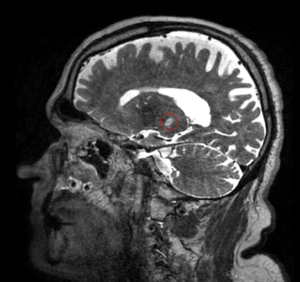
- MRI or CT scan (if needed)
- Blood tests to rule out other causes
Long-Term Treatment Options for Frequent Migraines
Managing frequent migraines requires a combination of treatments.
1. Medications
Acute Treatment (during attack)
- Pain relievers
- Triptans
- Anti-nausea medications
Preventive Treatment
- Beta-blockers
- Antidepressants
- Anti-seizure medications
2. Lifestyle Modifications
- Maintain a regular sleep schedule
- Eat balanced meals on time
- Stay hydrated
- Exercise regularly
3. Trigger Management
Identifying and avoiding triggers is key.
👉 Keeping a migraine diary can help track patterns.
4. Stress Management
- Meditation
- Yoga
- Deep breathing exercises
5. Advanced Treatments
For severe cases:
- Botox injections
- Nerve stimulation therapies
6. Cognitive Behavioral Therapy (CBT)
Helps manage stress and reduce migraine frequency.
Prevention Tips
Preventing frequent migraines is possible with consistent habits:
- Avoid known triggers
- Maintain a healthy routine
- Limit screen time
- Manage stress effectively
- Get enough sleep
Conclusion
Frequent migraines can significantly impact your daily life. However, with the right understanding of causes, triggers, and long-term treatment options, they can be effectively managed.
If your migraines are becoming more frequent or severe, do not ignore them. Early diagnosis and proper treatment can help you regain control and improve your quality of life.
For reliable medical information, refer to trusted sources like the Cleveland Clinic.
👉 If you are struggling with frequent migraines, consider consulting a neurologist for personalized care.
FAQs
1. What causes frequent migraines?
Frequent migraines are caused by a combination of genetic, hormonal, and lifestyle factors.
2. How many migraines are considered frequent?
More than 4–5 migraines per month or 15 headache days per month is considered frequent.
3. Can migraines be cured permanently?
There is no permanent cure, but they can be effectively managed with treatment.
4. What is the best treatment for frequent migraines?
Treatment includes medications, lifestyle changes, and trigger management.
5. Are migraines dangerous?
Most migraines are not dangerous, but severe or unusual symptoms need medical evaluation.
6. When should I see a neurologist?
If migraines are frequent, severe, or affecting your daily life.