Memory Loss and Forgetfulness: Normal Aging or a Brain Problem?
Memory loss and forgetfulness are common concerns for people of all ages. Many individuals forget names, misplace keys, or struggle to remember appointments occasionally. However, when memory problems begin affecting daily life, they may signal an underlying brain-related condition.
In today’s fast-paced lifestyle, stress, lack of sleep, excessive screen time, and aging can all impact memory. At the same time, certain neurological conditions such as dementia, Alzheimer’s disease, brain tumors, stroke, or vitamin deficiencies may also lead to memory decline.
Understanding the difference between normal forgetfulness and a serious brain problem is important. Early diagnosis often helps improve treatment outcomes and quality of life.
What Is Memory Loss and Forgetfulness?
Memory loss refers to difficulty remembering information, events, names, or tasks that were previously easy to recall. Forgetfulness can be temporary or progressive depending on the cause.
Occasional forgetfulness is usually harmless. For example:
- Forgetting where you placed your phone
- Missing an appointment occasionally
- Taking time to remember someone’s name
However, persistent memory problems that worsen over time may require medical evaluation.
In some cases, memory issues may interfere with:
- Work performance
- Daily activities
- Communication
- Decision-making
- Relationships
This is when consulting a neurosurgeon or neurologist becomes important.
For expert neurological evaluation, visit Dr. Aditya Gupta’s official website.
Causes of Memory Loss and Forgetfulness


Several factors can contribute to memory decline. Some are temporary and reversible, while others may require long-term treatment.
1. Aging
As people age, the brain processes information more slowly. Mild forgetfulness is common in older adults and may not always indicate disease.
Normal aging-related changes include:
- Taking longer to recall words
- Forgetting names temporarily
- Misplacing objects occasionally
However, severe confusion or inability to perform routine tasks is not considered normal aging.
2. Stress and Anxiety
Chronic stress affects concentration and memory. When the brain is overloaded, it becomes difficult to store and retrieve information properly.
Stress-related memory problems may include:
- Difficulty focusing
- Forgetting conversations
- Mental fatigue
- Poor concentration
Reducing stress often improves memory function.
3. Lack of Sleep
Sleep plays a vital role in memory consolidation. Poor sleep quality can affect learning, attention, and recall.
Common signs include:
- Brain fog
- Difficulty remembering details
- Reduced attention span
- Daytime confusion
Sleep disorders such as sleep apnea can also contribute to memory decline.
4. Vitamin Deficiencies
Low levels of vitamin B12 and other nutrients can impact brain function.
Symptoms may include:
- Forgetfulness
- Tingling sensations
- Weakness
- Mood changes
Timely treatment can reverse symptoms in many cases.
5. Dementia and Alzheimer’s Disease
Dementia is a condition that affects memory, thinking, and behavior. Alzheimer’s disease is the most common type of dementia.
Early symptoms may include:
- Repeating questions frequently
- Difficulty finding words
- Forgetting recent events
- Getting lost in familiar places
These conditions usually worsen gradually over time.
Learn more about neurological conditions and treatments at Dr. Aditya Gupta’s neurosurgery services page.
6. Stroke or Reduced Blood Supply to the Brain
A stroke can damage brain areas responsible for memory and thinking.
Warning signs may include:
- Sudden confusion
- Difficulty speaking
- Weakness on one side
- Vision problems
Immediate medical attention is critical.
7. Brain Tumors
Certain brain tumors may affect memory, personality, or cognitive function depending on their location.
Associated symptoms may include:
- Persistent headaches
- Seizures
- Personality changes
- Vision problems
- Balance difficulties
A neurosurgical evaluation may be needed in such cases.
8. Depression
Depression can affect attention, concentration, and memory. People may appear forgetful because they struggle to focus properly.
Symptoms often include:
- Low mood
- Fatigue
- Lack of motivation
- Poor concentration
Treating depression can significantly improve cognitive function.
Symptoms of Memory Loss and Forgetfulness
Symptoms vary depending on the cause and severity.
Common symptoms include:
- Forgetting recent conversations
- Misplacing belongings frequently
- Difficulty recalling names or dates
- Repeating questions
- Trouble concentrating
- Difficulty following instructions
- Confusion in familiar places
- Difficulty managing finances or medications
In advanced cases, patients may also experience:
- Personality changes
- Mood swings
- Social withdrawal
- Difficulty recognizing familiar people
Warning Signs That Should Not Be Ignored
Some symptoms may indicate a serious neurological condition and require urgent medical evaluation.
Important warning signs include:
- Sudden memory loss
- Confusion that develops rapidly
- Difficulty speaking or understanding speech
- Weakness or numbness
- Seizures
- Severe headaches with confusion
- Personality or behavioral changes
- Difficulty performing daily tasks
- Getting lost in familiar locations
If these symptoms appear suddenly, immediate medical attention is necessary.
When Should You See a Doctor?
You should consult a specialist if memory problems:
- Occur frequently
- Affect daily life
- Continue worsening
- Cause confusion or personality changes
- Interfere with work or relationships
Early diagnosis helps identify reversible causes and improves treatment success.
Patients with a family history of dementia or neurological disorders should also consider timely evaluation.
Book a consultation through Dr. Aditya Gupta’s contact page.
How Is Memory Loss Diagnosed?
Doctors use several methods to determine the cause of memory problems.
Medical History and Physical Examination
The doctor evaluates:
- Symptoms
- Duration of memory issues
- Medical history
- Medications
- Lifestyle habits
Cognitive and Memory Tests
These tests assess:
- Attention
- Language skills
- Recall ability
- Problem-solving
- Orientation
Blood Tests
Blood tests help identify:
- Vitamin deficiencies
- Thyroid disorders
- Infections
- Metabolic problems
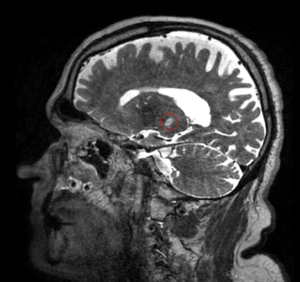
Brain Imaging
Imaging tests may include:
- MRI scan
- CT scan
- PET scan
These tests help detect:
- Stroke
- Brain tumors
- Brain shrinkage
- Structural abnormalities
Neurological Evaluation
A neurosurgeon or neurologist may perform specialized evaluations if a brain-related condition is suspected.
For additional information on neurological care, visit Dr. Aditya Gupta’s brain and spine treatment page.
Treatment Options for Memory Loss and Forgetfulness
Treatment depends on the underlying cause.
1. Lifestyle Changes
Healthy habits can significantly improve brain function.
Recommended lifestyle changes include:
- Regular exercise
- Healthy diet
- Proper sleep
- Stress management
- Mental stimulation
- Reduced alcohol intake
Activities such as reading, puzzles, and learning new skills help keep the brain active.
2. Medications
Doctors may prescribe medications for:
- Alzheimer’s disease
- Depression
- Anxiety
- Sleep disorders
- Vitamin deficiencies
Medications should only be taken under medical supervision.
3. Cognitive Therapy
Cognitive exercises and therapy help improve memory skills and mental function.
Patients may learn:
- Memory strategies
- Organizational techniques
- Attention-improving exercises
4. Treatment of Underlying Neurological Conditions
If memory loss is caused by:
- Brain tumors
- Hydrocephalus
- Stroke
- Epilepsy
then neurosurgical or neurological treatment may be required.
5. Emotional and Family Support
Memory disorders affect both patients and families. Emotional support and caregiver education play a major role in improving quality of life.
Prevention Tips for Better Brain Health
Although not all memory problems can be prevented, certain habits help maintain brain health.
Helpful prevention tips:
- Exercise regularly
- Eat a balanced diet rich in fruits and vegetables
- Stay socially active
- Control blood pressure and diabetes
- Avoid smoking
- Limit alcohol consumption
- Sleep adequately
- Manage stress effectively
- Keep the mind active with learning and hobbies
These habits support long-term cognitive health.
Conclusion
Memory loss and forgetfulness can happen for many reasons, ranging from normal aging and stress to serious neurological conditions. While occasional forgetfulness is common, persistent or worsening memory problems should never be ignored.
Early diagnosis is essential because many causes are treatable when identified in time. If memory changes begin affecting daily activities, communication, or behavior, consulting a neurosurgeon or neurologist is important.
Professional evaluation can help determine whether symptoms are related to aging, lifestyle factors, or an underlying brain disorder.
For expert neurological consultation, visit Dr. Aditya Gupta.
Frequently Asked Questions (FAQs)
1. Is memory loss a normal part of aging?
Mild forgetfulness can occur with aging. However, severe confusion or difficulty performing daily tasks is not considered normal.
2. What are the early signs of dementia?
Early signs may include repeating questions, forgetting recent events, confusion, and difficulty completing familiar tasks.
3. Can stress cause memory problems?
Yes. Chronic stress and anxiety can affect concentration, focus, and memory retention.
4. When should I worry about forgetfulness?
You should seek medical advice if memory issues become frequent, worsen over time, or interfere with daily life.
5. Can memory loss be treated?
Many causes of memory loss are treatable, especially when diagnosed early. Treatment depends on the underlying condition.
6. Which doctor should I consult for memory problems?
A neurologist or neurosurgeon can evaluate memory-related symptoms and recommend appropriate tests and treatment.