Memory Loss Causes: Early Signs of Alzheimer’s & When to See a Doctor
Forgetting things occasionally is normal. But when memory problems become frequent, many people start searching for memory loss causes and wondering if it could be something serious.
Memory loss can affect anyone, but it is more common as we age. While some forgetfulness is harmless, persistent memory issues may be an early sign of neurological conditions like Alzheimer’s disease.
According to global data, more than 55 million people worldwide live with dementia, and Alzheimer’s accounts for 60–70% of these cases.
Understanding the memory loss causes early can help in timely diagnosis and better treatment outcomes.
What Is Memory Loss?
Memory loss refers to unusual forgetfulness where a person has difficulty remembering:
- Recent events
- Names or conversations
- Daily tasks
- Important information
Occasional forgetfulness is normal. However, when it starts affecting daily life, it may indicate a deeper issue.
Common Memory Loss Causes


There are several possible memory loss causes, ranging from simple lifestyle factors to serious neurological conditions.
1. Stress and Anxiety
Mental stress can affect how the brain processes and stores information.
- Difficulty concentrating
- Forgetting small tasks
- Mental fatigue
Stress-related memory loss is usually temporary but should not be ignored.
2. Lack of Sleep
Sleep plays a critical role in memory formation.
Poor sleep can lead to:
- Reduced concentration
- Forgetfulness
- Slower thinking
3. Vitamin Deficiencies
Deficiency of Vitamin B12 and other nutrients can affect brain function.
This may result in:
- Memory problems
- Confusion
- Weakness
4. Aging (Normal vs Abnormal)
Mild forgetfulness is a normal part of aging.
However:
- Forgetting names occasionally → normal
- Forgetting familiar people or places → not normal
Understanding this difference is crucial.
5. Medications
Certain medicines can affect memory as a side effect.
These include:
- Sleep medications
- Anti-anxiety drugs
- Some painkillers
6. Depression
Depression can impact cognitive function.
People may experience:
- Difficulty focusing
- Memory issues
- Lack of mental clarity
7. Alzheimer’s Disease (Most Serious Cause)
Alzheimer’s is a progressive brain disorder that affects memory and thinking.
It slowly damages brain cells and worsens over time.
Early symptoms include:
- Forgetting recent conversations
- Misplacing items frequently
- Difficulty finding words
Globally, the number of people affected is rising rapidly due to aging populations.
Early Signs of Alzheimer’s You Should Not Ignore
Recognizing early symptoms is critical.
Watch for:
- Memory loss affecting daily life
- Difficulty planning or solving problems
- Confusion with time or place
- Trouble understanding conversations
- Changes in mood or personality
These symptoms gradually worsen if untreated.
Warning Signs That Require Immediate Attention
Some symptoms may indicate serious neurological conditions:
- Sudden memory loss
- Difficulty speaking or understanding
- Confusion with basic tasks
- Personality changes
- Disorientation in familiar places
👉 These signs require urgent medical evaluation.
When Should You See a Neurologist?
You should consult a specialist if:
- Memory problems are frequent
- Symptoms are worsening
- Daily activities are affected
- Family members notice changes
For expert consultation, visit:
https://dradityagupta.com/
Diagnosis of Memory Loss
A neurologist may perform:
Clinical Assessment
Understanding symptoms and history
Cognitive Tests
To evaluate memory and thinking
Blood Tests
To rule out deficiencies or infections
Brain Imaging
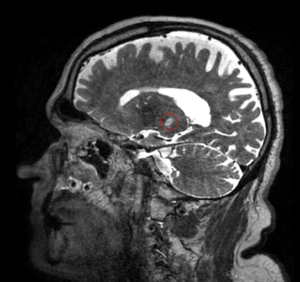
MRI or CT scan for detailed analysis
New diagnostic approaches are helping detect Alzheimer’s earlier than before.
Treatment Options for Memory Loss
Treatment depends on the underlying cause.
Medications
- Memory-enhancing drugs
- Alzheimer’s-specific treatments
Lifestyle Changes
- Regular exercise
- Healthy diet
- Mental stimulation
Cognitive Therapy
Brain exercises to improve memory
Managing Underlying Conditions
Treating diabetes, depression, or deficiencies
Internal Links
- Learn more about neurological care:
https://dradityagupta.com/ - Explore brain-related conditions:
https://dradityagupta.com/brain-tumor/
External Reference
For detailed medical understanding:
https://www.who.int/news-room/fact-sheets/detail/dementia
How to Reduce the Risk of Memory Loss
While not all cases are preventable, you can lower your risk:
- Stay mentally active
- Exercise regularly
- Maintain a healthy diet
- Manage blood pressure and diabetes
- Stay socially engaged
Studies suggest that nearly 45% of dementia cases may be preventable through lifestyle changes.
Conclusion
Memory loss can range from mild forgetfulness to serious neurological conditions like Alzheimer’s disease.
Understanding the memory loss causes helps you take action early. While some causes are harmless and reversible, others require medical attention.
If memory problems are affecting daily life, consulting a neurologist is the best step toward proper diagnosis and treatment.
FAQs
1. What are the most common memory loss causes?
Common causes include stress, lack of sleep, vitamin deficiency, aging, and Alzheimer’s disease.
2. Is memory loss always a sign of Alzheimer’s?
No, many cases are due to lifestyle factors or temporary conditions. However, persistent memory loss should be evaluated.
3. At what age does Alzheimer’s start?
It usually affects people above 65, but early-onset Alzheimer’s can occur in younger individuals.
4. Can memory loss be reversed?
Yes, if caused by stress, vitamin deficiency, or lifestyle factors. However, Alzheimer’s-related memory loss is progressive.
5. When should I see a doctor for memory loss?
You should consult a doctor if memory problems are frequent, worsening, or affecting daily life.