Hydrocephalus (Water in Brain): Symptoms, Causes & Treatment Options
Introduction
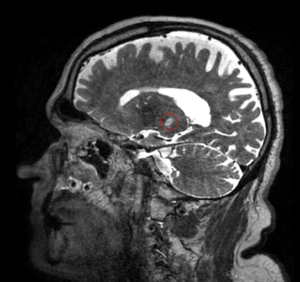
Hydrocephalus water in brain is a condition where excess fluid builds up inside the brain. This fluid is called cerebrospinal fluid (CSF), and it normally protects and nourishes the brain. However, when too much fluid accumulates, it puts pressure on brain tissues and can lead to serious health problems.
Many people commonly refer to hydrocephalus as “water in the brain.” It can affect infants, adults, and elderly individuals. Early diagnosis and treatment are very important to prevent complications.
In this blog, you will understand hydrocephalus water in brain, its causes, symptoms, warning signs, diagnosis, and treatment options.
What is Hydrocephalus?


Hydrocephalus is a neurological condition in which cerebrospinal fluid builds up in the cavities (ventricles) of the brain.
Normally, this fluid flows freely and is absorbed into the bloodstream. However, when there is a blockage or imbalance in production and absorption, fluid accumulates and increases pressure inside the skull.
This pressure can damage brain tissues and affect brain function.
Causes of Hydrocephalus Water in Brain
Hydrocephalus water in brain can occur due to different reasons depending on age and health conditions.
1. Blockage in Fluid Flow
The most common cause is a blockage that prevents CSF from flowing properly within the brain.
2. Poor Absorption
Sometimes, the body cannot absorb the fluid properly, leading to accumulation.
3. Excess Fluid Production
In rare cases, the brain produces too much cerebrospinal fluid.
4. Brain Infections
Infections like meningitis can cause inflammation and block fluid pathways.
5. Brain Tumors
Tumors may block fluid flow and increase pressure.
6. Head Injury or Bleeding
Trauma or brain hemorrhage can disrupt normal fluid circulation.
7. Congenital Conditions
Some babies are born with hydrocephalus due to developmental issues.
Symptoms of Hydrocephalus
Symptoms vary depending on age and severity.
Common Symptoms in Adults:
- Persistent headache
- Nausea and vomiting
- Blurred or double vision
- Difficulty walking or balance problems
- Memory issues or confusion
- Urinary incontinence
Symptoms in Infants:
- Rapid increase in head size
- Bulging soft spot on head
- Irritability
- Poor feeding
- Vomiting
Warning Signs You Should Not Ignore
Hydrocephalus water in brain can become serious if not treated. Watch for these warning signs:
- Severe and persistent headache
- Sudden vision problems
- Difficulty walking or frequent falls
- Loss of bladder control
- Confusion or memory loss
- Drowsiness or reduced alertness
These symptoms may indicate increased pressure in the brain and require urgent medical attention.
When to See a Doctor
You should consult a neurosurgeon immediately if:
- You have ongoing headaches with vomiting
- You notice balance or walking issues
- There is sudden confusion or memory decline
- A child shows abnormal head growth
- Symptoms are worsening over time
Early treatment can prevent permanent brain damage.
Consult here: https://dradityagupta.com/
Diagnosis of Hydrocephalus
Doctors use different tests to confirm hydrocephalus water in brain.
Common Diagnostic Methods:
- Neurological examination
- MRI scan
- CT scan
- Ultrasound (for infants)
These tests help identify fluid buildup and its underlying cause.
For trusted medical information, refer to: https://www.mayoclinic.org/
Treatment Options for Hydrocephalus

Treatment focuses on reducing fluid buildup and relieving pressure.
1. Shunt Surgery
This is the most common treatment. A tube (shunt) is placed in the brain to drain excess fluid to another part of the body.
2. Endoscopic Third Ventriculostomy (ETV)
A minimally invasive procedure where a small opening is made in the brain to allow fluid to flow normally.
3. Tumor Removal
If a tumor is causing blockage, surgery may be needed.
4. Medications
Sometimes used temporarily to reduce fluid production.
Learn more: https://dradityagupta.com/treatments/
Prevention Tips
Hydrocephalus cannot always be prevented, but you can reduce risks by:
- Treating infections early
- Preventing head injuries
- Regular prenatal care during pregnancy
- Managing chronic conditions
- Seeking early medical advice for symptoms
Conclusion
Hydrocephalus water in brain is a serious condition but can be effectively managed with early diagnosis and proper treatment.
Ignoring symptoms can lead to complications. However, timely medical care can improve quality of life and prevent long-term damage.
If you or your loved one is experiencing symptoms, consult a neurosurgeon without delay.
Book consultation: https://dradityagupta.com/
FAQs
What is hydrocephalus in simple terms?
It is a condition where excess fluid builds up in the brain, increasing pressure.
Is hydrocephalus life-threatening?
Yes, if untreated. Early treatment can prevent complications.
Can hydrocephalus be cured?
It can be managed effectively with surgery and treatment.
What causes water in the brain?
Blockage in fluid flow, infections, tumors, or injuries.
Is hydrocephalus common in adults?
Yes, especially a type called normal pressure hydrocephalus in older adults.
How is hydrocephalus treated?
Mainly through surgery like shunt placement or ETV.