Signs of a Brain Tumor: Symptoms You Should Never Ignore
Brain tumors are a serious health condition that can affect people of any age. However, many early symptoms are often ignored because they may look similar to common problems such as headaches, stress, or fatigue. Understanding the signs of a brain tumor can help patients seek medical attention early and improve treatment outcomes.
A brain tumor develops when abnormal cells grow inside the brain. Some tumors are non-cancerous (benign), while others can be cancerous (malignant). Both types can create pressure inside the skull and affect normal brain function.
In this article, we will discuss the common symptoms, warning signs, causes, diagnosis, and treatment options for brain tumors in simple and patient-friendly language.
What Is a Brain Tumor?


A brain tumor is an abnormal growth of cells in the brain or surrounding tissues. These tumors may start in the brain itself or spread from another part of the body.
Brain tumors can affect:
- Memory
- Vision
- Speech
- Movement
- Balance
- Personality
- Seizure control
The symptoms depend on the tumor’s size, location, and growth rate.
For more information about neurological conditions and advanced treatment options, visit Dr. Aditya Gupta Neurosurgery Website.
Causes of Brain Tumors
The exact cause of most brain tumors is still not fully known. However, several factors may increase the risk.
1. Genetic Conditions
Some inherited disorders can increase the chances of developing brain tumors.
2. Radiation Exposure
Previous exposure to radiation therapy around the head may increase risk.
3. Age
Certain tumors are more common in older adults, although brain tumors can occur at any age.
4. Family History
A small number of brain tumors may run in families.
5. Cancer Spread from Other Organs
Sometimes cancer from the lungs, breast, or kidneys can spread to the brain.
Common Signs of a Brain Tumor
Recognizing the signs of a brain tumor early is very important. Symptoms may appear slowly or suddenly.
Persistent Headaches
Headaches are one of the most common symptoms. However, brain tumor headaches are usually different from regular headaches.
You should pay attention if:
- Headaches become more frequent
- Pain is worse in the morning
- Headaches wake you from sleep
- Pain increases with coughing or bending
- Medicines stop working effectively
Seizures
A seizure can sometimes be the first sign of a brain tumor, especially in adults with no previous history of epilepsy.
Seizures may include:
- Sudden body shaking
- Temporary confusion
- Loss of awareness
- Muscle stiffness
- Strange sensations or smells
Vision Problems
Brain tumors can affect vision if they press on certain areas of the brain.
Symptoms may include:
- Blurred vision
- Double vision
- Loss of side vision
- Sudden vision changes
Weakness or Numbness
Weakness in the arms or legs can occur when the tumor affects movement-related brain areas.
Some patients experience:
- Difficulty walking
- Loss of balance
- Numbness on one side of the body
- Reduced coordination
Speech and Memory Problems
Brain tumors may affect communication and thinking abilities.
Patients may notice:
- Difficulty finding words
- Confusion
- Poor concentration
- Memory loss
- Personality changes
Nausea and Vomiting
Frequent unexplained vomiting, especially in the morning, may occur due to increased pressure inside the skull.
Balance and Coordination Issues
Some tumors affect the cerebellum, which controls balance.
Symptoms may include:
- Frequent falls
- Dizziness
- Difficulty walking straight
- Poor hand coordination
Warning Signs You Should Never Ignore
Certain symptoms require urgent medical evaluation.
Sudden Severe Headache
A sudden and intense headache that feels different from usual headaches may need immediate attention.
Seizures in Adults
A first-time seizure should never be ignored.
Sudden Weakness
Weakness on one side of the body may indicate a serious neurological issue.
Vision Loss
Sudden or progressive vision changes require prompt assessment.
Personality Changes
Unusual behavior, aggression, confusion, or mood changes can sometimes occur due to brain pressure.
Difficulty Speaking
Trouble speaking or understanding language should be evaluated immediately.
If you experience these symptoms, consulting an experienced neurosurgeon is important. Learn more about brain and spine care at Dr. Aditya Gupta – Brain Tumor Treatment.
When Should You See a Doctor?


You should consult a doctor if:
- Headaches become persistent
- Symptoms worsen over time
- You experience seizures
- There is unexplained weakness or numbness
- Vision changes occur suddenly
- Memory or personality changes affect daily life
Early diagnosis can improve treatment success and reduce complications.
How Is a Brain Tumor Diagnosed?
Doctors use several tests to diagnose brain tumors accurately.
Neurological Examination
The doctor checks:
- Reflexes
- Vision
- Hearing
- Coordination
- Muscle strength
MRI Scan
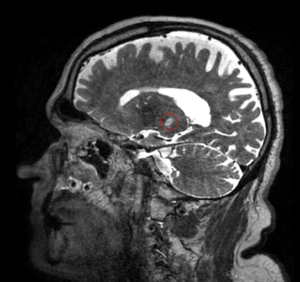
MRI is one of the most important imaging tests for detecting brain tumors.
CT Scan
A CT scan may help identify swelling or bleeding in the brain.
Biopsy
In some cases, doctors remove a small tissue sample to determine the tumor type.
Blood Tests
Blood tests may help rule out other conditions.
You can also explore advanced neurosurgical services at Dr. Aditya Gupta – Neurosurgery Services.
Treatment Options for Brain Tumors
Treatment depends on:
- Tumor type
- Tumor size
- Location
- Patient’s age and health
Surgery
Surgery is often the primary treatment for brain tumors. The goal is to remove as much of the tumor as safely possible.
Modern neurosurgical techniques help improve safety and precision.
Radiation Therapy
Radiation uses high-energy beams to destroy tumor cells.
Chemotherapy
Chemotherapy medicines may help control or shrink certain tumors.
Targeted Therapy
Some advanced treatments specifically target tumor cells while reducing damage to healthy tissue.
Rehabilitation Therapy
Patients may need:
- Physical therapy
- Speech therapy
- Occupational therapy
Recovery support plays an important role after treatment.
Can Brain Tumors Be Prevented?
There is no guaranteed way to prevent brain tumors. However, healthy lifestyle habits may support overall brain health.
Prevention Tips
- Avoid unnecessary radiation exposure
- Maintain a healthy lifestyle
- Exercise regularly
- Avoid smoking
- Manage stress
- Attend regular health check-ups
Early medical attention for neurological symptoms is also very important.
Living With a Brain Tumor
A brain tumor diagnosis can feel overwhelming. However, many patients respond well to treatment, especially when diagnosed early.
Support from:
- Family
- Doctors
- Rehabilitation specialists
- Counseling services
can improve quality of life during recovery.
Patients should also:
- Follow treatment plans carefully
- Attend follow-up appointments
- Report new symptoms immediately
- Maintain proper nutrition and sleep
Conclusion
Understanding the signs of a brain tumor can help patients seek timely medical care. Symptoms such as persistent headaches, seizures, vision problems, weakness, and personality changes should never be ignored.
While not every headache or neurological symptom means a brain tumor, persistent or unusual symptoms deserve medical evaluation. Early diagnosis and advanced treatment options can significantly improve outcomes.
If you or a loved one experiences concerning neurological symptoms, consulting a qualified neurosurgeon can help provide clarity and proper treatment.
For expert consultation and advanced brain tumor care, visit Dr. Aditya Gupta.
FAQs
1. What are the earliest signs of a brain tumor?
Early signs may include persistent headaches, seizures, blurred vision, memory problems, and balance issues.
2. Are headaches always a sign of a brain tumor?
No. Most headaches are not caused by brain tumors. However, persistent or unusual headaches should be evaluated.
3. Can brain tumors cause personality changes?
Yes. Tumors affecting certain brain areas may cause mood swings, confusion, or behavioral changes.
4. How are brain tumors detected?
Doctors commonly use MRI scans, CT scans, neurological exams, and biopsies.
5. Can brain tumors be treated successfully?
Many brain tumors can be treated with surgery, radiation therapy, chemotherapy, or a combination of treatments.
6. When should I see a neurosurgeon?
You should seek medical advice if neurological symptoms persist, worsen, or interfere with daily activities.