Trigeminal Neuralgia Facial Pain: Causes, Symptoms & Treatment
Introduction
Trigeminal neuralgia facial pain is one of the most severe types of nerve pain a person can experience. It often feels like a sudden electric shock on one side of the face. Even simple activities like brushing teeth, talking, or eating can trigger intense pain.
Because of its sudden and sharp nature, many people mistake this condition for dental problems or sinus issues. However, trigeminal neuralgia is a neurological condition that needs proper diagnosis and treatment.
In this blog, you will understand what trigeminal neuralgia facial pain is, its causes, symptoms, warning signs, and the best treatment options available.
What is Trigeminal Neuralgia?


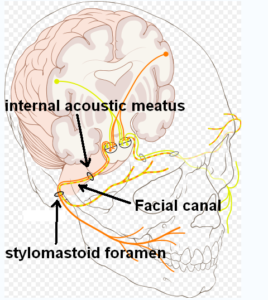
Trigeminal neuralgia is a chronic condition that affects the trigeminal nerve, which carries sensations from your face to your brain.
When this nerve is irritated or compressed, it sends abnormal pain signals. As a result, you may feel sudden, stabbing pain in areas such as the cheeks, jaw, teeth, lips, or eyes.
The pain usually affects only one side of the face and occurs in short, intense bursts.
Causes of Trigeminal Neuralgia Facial Pain
1. Blood Vessel Compression
The most common cause is a blood vessel pressing against the trigeminal nerve, damaging its protective covering.
2. Aging
The condition is more common in people above 50 due to changes in blood vessels.
3. Multiple Sclerosis (MS)
This disease can damage nerve coverings and trigger trigeminal neuralgia.
4. Tumors
In rare cases, a tumor can press on the nerve.
5. Facial Injury
Injuries or surgeries involving the face may lead to nerve damage.
Symptoms of Trigeminal Neuralgia
The symptoms are very specific and often easy to recognize.
- Sudden, sharp, electric shock-like pain
- Pain lasting from seconds to minutes
- Pain triggered by everyday activities like eating, talking, or brushing
- Pain usually on one side of the face
- Repeated episodes over time
Initially, the pain may be mild, but it can become more frequent and intense.
Warning Signs You Should Not Ignore
- Increasing frequency of pain
- Pain not improving with regular painkillers
- Continuous dull pain between attacks
- Facial twitching or spasms
- Difficulty performing daily activities
When to See a Doctor
You should consult a neurosurgeon if:
- You experience sudden electric shock-like facial pain
- Pain keeps coming back
- Dental treatments are not helping
- Pain affects your daily life
Early treatment can prevent worsening of symptoms.
Consult here: https://dradityagupta.com/
Diagnosis of Trigeminal Neuralgia
Doctors usually diagnose this condition based on symptoms and tests.
- Medical history review
- Neurological examination
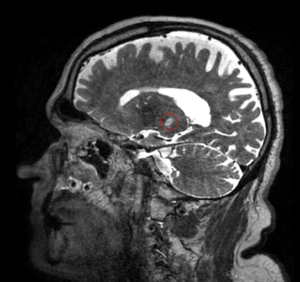
- MRI scan to check for nerve compression or tumors
For more information, visit: https://www.who.int/
Treatment Options for Trigeminal Neuralgia


1. Medications
Doctors prescribe medicines that calm nerve activity, such as anti-seizure drugs or muscle relaxants.
2. Minimally Invasive Procedures
Procedures like radiofrequency ablation or injections help reduce pain signals.
3. Microvascular Decompression Surgery
This surgery relieves pressure on the nerve by repositioning blood vessels and provides long-term relief.
Learn more: https://dradityagupta.com/treatments/
4. Gamma Knife Radiosurgery
A non-invasive treatment using focused radiation to reduce nerve pain.
Prevention Tips
- Avoid very hot or cold foods
- Maintain oral hygiene
- Manage stress
- Protect your face from cold wind
- Take medications regularly
Conclusion
Trigeminal neuralgia facial pain can be extremely painful and affect daily life. However, with the right diagnosis and treatment, it is manageable.
If you are experiencing sudden electric shock-like pain in your face, do not ignore it. Consult a neurosurgeon early for proper care and relief.
Book consultation: https://dradityagupta.com/
FAQs
What triggers trigeminal neuralgia pain?
Activities like eating, talking, brushing teeth, or touching the face can trigger pain.
Is trigeminal neuralgia dangerous?
It is not life-threatening but can seriously affect quality of life.
Can trigeminal neuralgia go away on its own?
Sometimes symptoms reduce, but most cases need treatment.
Is surgery always required?
No, many patients improve with medications. Surgery is considered in severe cases.
How is trigeminal neuralgia diagnosed?
Through symptoms, neurological exams, and MRI scans.
Can stress worsen trigeminal neuralgia?
Yes, stress can increase pain episodes.