Epilepsy surgery can stop seizures when medicine fails. Epilepsy surgery targets the exact source of seizures. First, this guide explains the options in simple words. Overall, it also shows how relief is possible.
What Is Epilepsy?
Epilepsy causes repeated seizures. A seizure is a burst of brain activity. It can cause shaking, staring, or confusion. The cause differs from person to person. Some seizures start in one brain spot. Therefore, that spot can sometimes be treated. People of all genders can develop epilepsy. See our guide on epilepsy and seizures.
When Is Surgery Needed?
Medicine controls most cases well. However, some people keep having seizures. This is called drug-resistant epilepsy. Surgery then becomes a strong option. Meanwhile, doctors first confirm the seizure source. An exact diagnosis guides the choice. A specialist decides if surgery fits you.
How Doctors Plan It
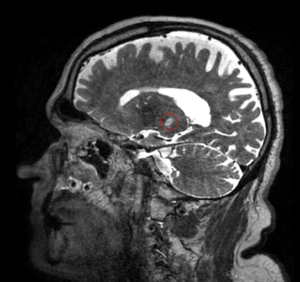
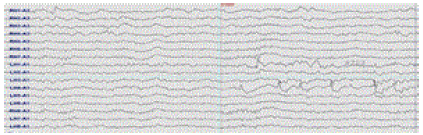
Careful planning comes first. An EEG records the brain’s activity. An MRI scan maps the brain in detail. Doctors find the exact seizure source. Then they check if surgery is safe there. This detail shapes the right epilepsy surgery. Good planning protects key brain areas.
Types Of Epilepsy Surgery
Several methods can help. One removes the small seizure source. Another disconnects the faulty pathway. A third places a device to calm signals. The best choice depends on your scans. Modern tools make each method precise. Learn about awake brain surgery.
Recovery And Results
Recovery is often smooth. Most people go home within days. Afterward, many see far fewer seizures. Some become fully seizure-free. Gentle rest helps early healing. Follow-up visits track your progress. Steady care keeps the result strong.
Benefits And Risks
Surgery offers real benefits. It can cut seizures sharply. It also lifts daily life and safety. Every surgery carries some risk too. However, careful planning lowers these risks. Trusted facts are on the NINDS site. Expert care improves the outcome.
Choosing The Right Specialist
Ultimately, the right team matters greatly. Choose a center with epilepsy experts. Ask about surgery results and safety. A good surgeon explains each option clearly. Learn how to choose a neurosurgeon. Skilled hands improve the result.
Frequently Asked Questions
Can epilepsy surgery stop seizures?
Yes, epilepsy surgery can cut seizures sharply. Some people become fully seizure-free. A specialist explains the odds for you.
When is surgery needed?
Surgery helps when medicine no longer controls seizures. This is drug-resistant epilepsy. A specialist confirms the seizure source first.
Is epilepsy surgery safe?
Yes, it is safe in expert hands. Careful planning protects key brain areas. Your surgeon explains the risks first.
How do doctors find the seizure source?
An EEG records brain activity. An MRI maps the brain in detail. Together they pinpoint the exact source.
How long is recovery?
Most people go home within days. Many see fewer seizures soon after. Follow-up visits track progress.
Are there different types of surgery?
Yes, some remove the source and others disconnect a pathway. A device can also calm signals. Your scans guide the choice.
Expert epilepsy surgery can bring lasting seizure relief. Talk to an epilepsy specialist to explore your options.