Hydrocephalus treatment removes extra fluid from the brain. Hydrocephalus treatment relieves pressure and protects brain function. First, this guide explains the condition in simple words. Overall, it also shows how surgery restores balance.
What Is Hydrocephalus?
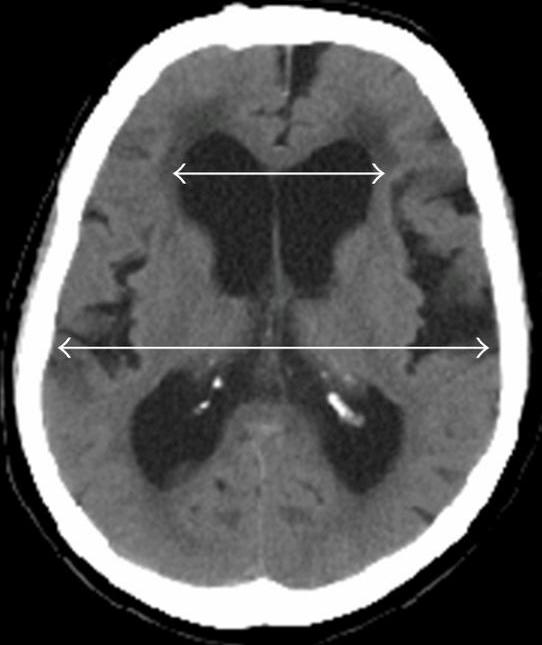
Hydrocephalus means extra fluid in the brain. The brain floats in a clear fluid. Normally this fluid flows and drains well. Sometimes the flow gets blocked. Then the fluid builds up and raises pressure. Therefore, the brain needs quick relief. People of all genders can develop it. See our guide on hydrocephalus for more.
Common Symptoms
Symptoms depend on age and cause. A headache is common in adults. Some people feel sick or dizzy. Others have blurred vision or poor balance. Memory and focus may slip too. In babies, the head may grow fast. Spotting these signs early helps a lot. Prompt care improves the outcome.
How Doctors Diagnose It
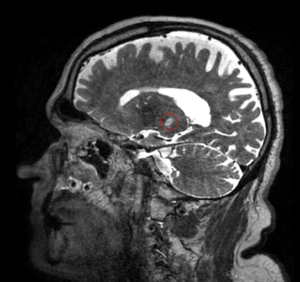
A brain scan is the key test. A CT scan shows fluid buildup fast. An MRI adds fine detail. Doctors match the scan with your symptoms. Then they find the cause of the blockage. This detail shapes the right hydrocephalus treatment. An exact diagnosis guides each step.
Shunt Surgery
A shunt is the most common fix. It is a thin, soft tube. The surgeon places it inside the brain. Then it drains extra fluid to the belly. This lowers the pressure safely. Meanwhile, the body absorbs the fluid. Most people feel better after surgery. Skilled hands lower the risk.
Endoscopic Surgery Option
Some cases suit a keyhole method. The surgeon uses a tiny camera. Then they make a small new path for the fluid. This avoids a permanent tube. It works well for certain blockages. Learn about minimally invasive neurosurgery. Your team helps you choose.
Recovery And Follow-Up
Recovery is often smooth. Most people go home within days. Afterward, symptoms ease as pressure drops. Follow-up scans check the fluid flow. A shunt needs regular checks over time. Steady care keeps the result strong. Report any new symptoms fast.
Choosing The Right Specialist
Ultimately, the right surgeon matters greatly. Choose a center with brain experts. Ask about shunt results and safety. A good surgeon explains each option clearly. Trusted facts are on the NINDS site. Learn how to choose a neurosurgeon.
Frequently Asked Questions
Can hydrocephalus be treated?
Yes, hydrocephalus treatment drains the extra fluid. Surgery relieves the pressure well. Most people improve after care.
What is a shunt?
A shunt is a thin, soft tube. It drains extra fluid from the brain to the belly. This lowers the pressure safely.
Is shunt surgery safe?
Yes, it is safe in expert hands. Modern tools make it precise. Your surgeon explains the risks first.
What are the first signs?
A headache, nausea, or blurred vision are common. Poor balance may follow. In babies, the head may grow fast.
Is there a non-shunt option?
Yes, a keyhole method makes a new fluid path. It avoids a permanent tube. Your team helps you choose.
Does a shunt need follow-up?
Yes, a shunt needs regular checks over time. Follow-up scans track the fluid flow. Report new symptoms fast.
Expert hydrocephalus treatment relieves pressure and protects the brain. Talk to a specialist to plan safe care.