Epilepsy and Seizures: Causes, Symptoms & Treatment Options
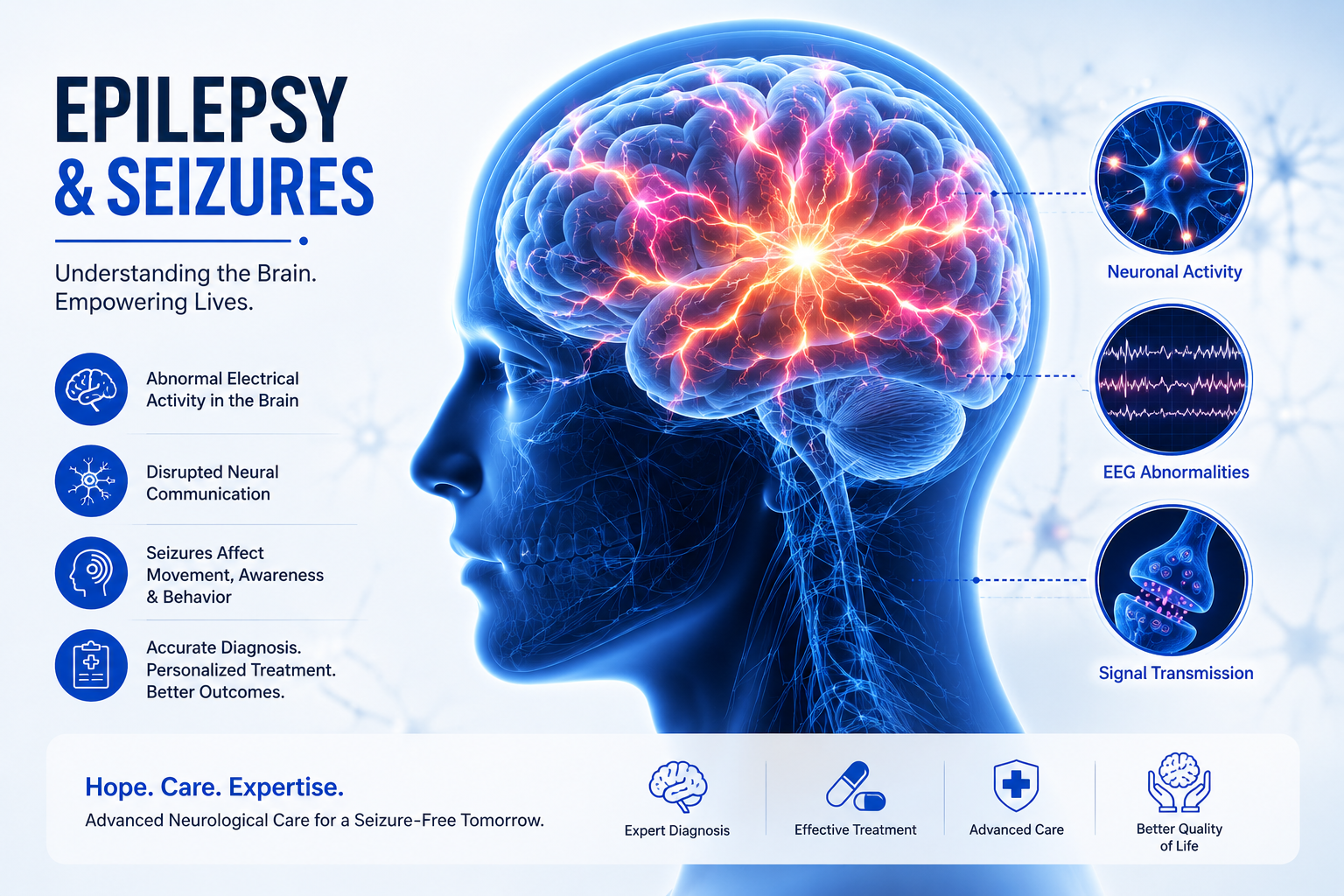
Epilepsy and seizures are neurological conditions that affect millions of people worldwide. While many people use these terms interchangeably, they are not exactly the same. A seizure is a sudden burst of abnormal electrical activity in the brain, whereas epilepsy is a chronic neurological disorder characterized by recurrent, unprovoked seizures.
Understanding epilepsy and seizures is important because early diagnosis and proper treatment can significantly improve quality of life and reduce the risk of complications. In many cases, epilepsy can be effectively managed with medications, lifestyle modifications, and advanced neurological treatments.
In this article, we discuss the causes, symptoms, diagnosis, and treatment options for epilepsy and seizures, as well as when to seek expert medical care.
What Are Epilepsy and Seizures?

A seizure occurs when abnormal electrical signals disrupt normal brain activity. Depending on the area of the brain affected, seizures can cause a wide range of symptoms, from brief staring spells to full-body convulsions.
Epilepsy is diagnosed when a person experiences two or more unprovoked seizures that are not caused by a temporary medical condition.
Difference Between Epilepsy and a Seizure
- Seizure: A single episode of abnormal brain activity
- Epilepsy: A neurological disorder involving recurrent seizures
Not everyone who experiences a seizure has epilepsy.
Causes of Epilepsy and Seizures
There are many possible causes of epilepsy and seizures. In some patients, the exact cause may remain unknown.
Brain Injury
Traumatic brain injuries from accidents, falls, or sports injuries can increase the risk of epilepsy.
Brain Tumors
Brain tumors may disrupt normal brain activity and trigger seizures. Individuals experiencing seizures along with persistent headaches, memory changes, or neurological symptoms should seek expert evaluation.
Learn more about advanced neurological care at:
https://dradityagupta.com/
Stroke
Stroke is one of the leading causes of seizures in older adults.
Genetic Factors
Some forms of epilepsy have a genetic component and may run in families.
Brain Infections
Conditions such as meningitis and encephalitis can increase the risk of seizures.
Developmental Disorders
Neurological conditions affecting brain development may be associated with epilepsy.
Lack of Oxygen to the Brain
Birth injuries or other conditions causing oxygen deprivation can contribute to seizure disorders.
Symptoms of Epilepsy and Seizures
The symptoms of epilepsy and seizures vary depending on which part of the brain is affected.
Common Seizure Symptoms
- Temporary confusion
- Uncontrollable jerking movements
- Loss of consciousness
- Staring spells
- Sudden muscle stiffness
- Strange sensations or emotions
- Temporary vision disturbances
Some people experience warning signs known as an aura before a seizure begins.
Types of Seizures
Understanding seizure types helps guide treatment decisions.
Focal Seizures
Focal seizures originate in one specific area of the brain.
Symptoms May Include:
- Twitching of one body part
- Changes in sensation
- Visual disturbances
- Confusion
- Repetitive movements
Generalized Seizures
Generalized seizures affect both sides of the brain.
Types Include:
- Tonic-clonic seizures
- Absence seizures
- Myoclonic seizures
- Atonic seizures
- Tonic seizures
Generalized seizures often result in loss of consciousness and full-body symptoms.
Warning Signs Before a Seizure
Some individuals experience symptoms before a seizure occurs.
Common Warning Signs
- Sudden fear or anxiety
- Déjà vu sensations
- Dizziness
- Visual disturbances
- Unusual smells or tastes
- Nausea
Recognizing these warning signs may help patients prepare and reduce injury risk.
What Triggers Seizures?
Certain factors can increase the likelihood of a seizure in susceptible individuals.
Common Seizure Triggers
- Lack of sleep
- Stress
- Alcohol consumption
- Flashing lights
- Missed medications
- Fever
- Hormonal changes
Avoiding known triggers can help improve seizure control.
How Are Epilepsy and Seizures Diagnosed?
Accurate diagnosis is essential for determining the best treatment plan.
Neurological Examination
A neurologist or neurosurgeon evaluates brain function, reflexes, coordination, and memory.
EEG (Electroencephalogram)
An EEG records electrical activity in the brain and is one of the most important tests for epilepsy diagnosis.
MRI Scan
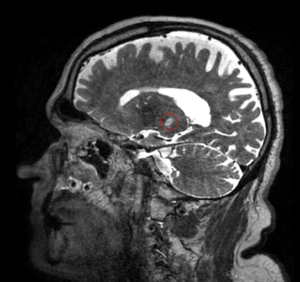
MRI helps identify structural abnormalities such as tumors, scar tissue, or vascular abnormalities.
CT Scan
CT scans may be used in emergency situations to identify brain injuries or bleeding.
Blood Tests
Blood tests help rule out infections, metabolic disorders, and other underlying conditions.
Treatment Options for Epilepsy and Seizures
Modern medicine offers several effective treatment options for epilepsy.
Anti-Seizure Medications
Medications are the most common treatment and successfully control seizures in many patients.
Lifestyle Modifications
Patients may benefit from:
- Adequate sleep
- Stress management
- Avoiding alcohol
- Taking medications regularly
Ketogenic Diet
In selected cases, dietary modifications may help reduce seizure frequency.
Vagus Nerve Stimulation (VNS)
A small implanted device stimulates the vagus nerve to help control seizures.
Epilepsy Surgery
Surgery may be recommended for patients whose seizures cannot be controlled with medication.
When Is Epilepsy Surgery Needed?
Surgical treatment may be considered if:
- Medications fail to control seizures
- Seizures originate from a specific brain region
- Quality of life is significantly affected
Advanced neurosurgical techniques can help reduce or eliminate seizures in selected patients.
For expert evaluation of epilepsy and seizure disorders, visit:
Dr. Aditya Gupta
https://dradityagupta.com/
Complications of Untreated Epilepsy
Without proper treatment, epilepsy can lead to:
- Physical injuries
- Accidents
- Learning difficulties
- Mental health challenges
- Status epilepticus (a life-threatening condition)
Timely treatment can significantly reduce these risks.
When Should You See a Neurosurgeon for Epilepsy and Seizures?
You should seek medical attention if:
- You experience a seizure for the first time
- Seizures become more frequent
- Medication is not controlling seizures
- You experience prolonged seizures
- Neurological symptoms accompany seizures
Early intervention can improve outcomes and quality of life.
Trusted Resources on Epilepsy and Seizures
For additional information, visit:
- https://www.epilepsy.com
- https://www.ninds.nih.gov/health-information/disorders/epilepsy-and-seizures
- https://www.who.int/news-room/fact-sheets/detail/epilepsy
These trusted organizations provide valuable information about epilepsy, treatment options, and patient support.
Conclusion: Understanding Epilepsy and Seizures
Epilepsy and seizures are common neurological conditions that can affect people of all ages. While a seizure may occur as a single event, epilepsy is a chronic condition requiring ongoing management.
Recognizing symptoms early, obtaining an accurate diagnosis, and following an appropriate treatment plan can significantly improve quality of life. Advances in medication, neurosurgery, and neurological care have made it possible for many patients to achieve excellent seizure control.
If you or a loved one experiences recurrent seizures or unexplained neurological symptoms, consulting an experienced neurosurgeon is an important step toward effective treatment.
About Dr. Aditya Gupta
Dr. Aditya Gupta is one of India’s leading neurosurgeons with expertise in epilepsy surgery, brain tumor surgery, minimally invasive neurosurgery, radiosurgery, and advanced brain and spine procedures.
Website: https://dradityagupta.com/
Book Appointment: https://dradityagupta.com/book-appointment/
Frequently Asked Questions (FAQs)
What is the difference between epilepsy and a seizure?
A seizure is a single episode of abnormal electrical brain activity, while epilepsy is a neurological disorder involving recurrent seizures.
What are the first signs of epilepsy?
Early signs may include staring spells, sudden confusion, unusual sensations, involuntary movements, or loss of awareness.
Can epilepsy be cured permanently?
Some patients achieve long-term seizure freedom through medication or surgery, depending on the cause of epilepsy.
What triggers seizures in epilepsy?
Common triggers include sleep deprivation, stress, alcohol, flashing lights, illness, and missed medications.
Is epilepsy a serious condition?
Epilepsy can be serious if left untreated, but many patients successfully manage their condition with appropriate treatment.
When should I see a specialist for seizures?
You should seek medical attention if you experience a first-time seizure, recurrent seizures, or seizures that are increasing in frequency.