Astrocytoma treatment needs an exact, modern plan. Astrocytoma treatment combines surgery, radiation, and medicine. First, this guide explains the tumor in simple words. Overall, it also shows how a skilled team helps.
What Is An Astrocytoma?
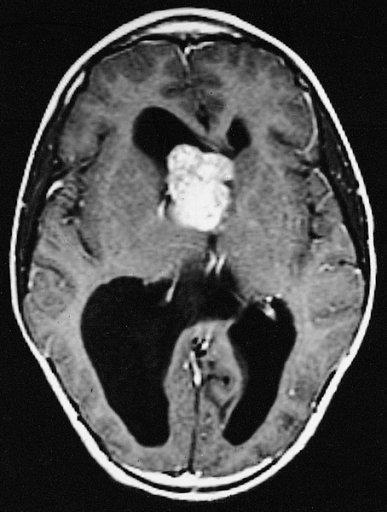
An astrocytoma is a type of brain tumor. It grows from star-shaped brain cells. These cells are called astrocytes. Some astrocytomas grow slowly. Others grow fast and spread. Therefore, the grade guides the care plan. People of all genders can develop it. See our guide on signs of a brain tumor.
Common Symptoms
Symptoms depend on the tumor’s spot. A headache is common. Some people have seizures. Others notice memory or vision change. Weakness in a limb may appear. Speech can shift too. Meanwhile, these signs may grow over time. Report new symptoms to a doctor early.
How Doctors Diagnose It
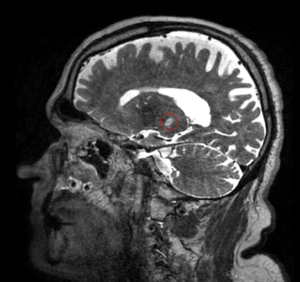
An MRI scan is the key test. It shows the tumor’s size and place. A biopsy confirms the tumor type. Doctors then grade the tumor. This grade shapes the right astrocytoma treatment. An exact diagnosis guides each choice.
Surgery To Remove The Tumor
Surgery is usually the first step. The surgeon removes as much tumor as is safe. This eases pressure on the brain. It also improves how other treatments work. Awake surgery protects speech and movement. Learn about awake brain surgery. Skilled hands make surgery safer.
Radiation And Chemotherapy
Surgery alone may not be enough. Radiation targets any cells left behind. It uses precise beams to spare healthy tissue. Chemotherapy adds medicine to fight the tumor. Doctors often combine both after surgery. Therefore, this mix slows tumor return. See our page on CyberKnife radiosurgery.
Follow-Up And New Options
Follow-up care is very important. Regular scans watch for any regrowth. Targeted drugs attack tumor genes. Clinical trials test fresh ideas. A good center offers these choices. Trusted facts are on the National Cancer Institute site.
Choosing The Right Specialist
Ultimately, the right team changes the outcome. Choose a center with brain tumor experts. Ask about surgery results and safety. A good surgeon explains each option clearly. Learn how to choose a neurosurgeon.
Frequently Asked Questions
Is an astrocytoma cancer?
Some astrocytomas are low-grade and slow. Others are high-grade and aggressive. Astrocytoma treatment matches the grade.
How is it diagnosed?
An MRI scan shows the tumor clearly. A biopsy confirms the type and grade. This detail shapes the care plan.
Is astrocytoma surgery safe?
Yes, surgery is safe in expert hands. Awake methods protect speech and movement. Your surgeon explains the risks first.
What are the first signs?
A headache, seizures, or vision change are common. Weakness in a limb may follow. Report new symptoms early.
Does radiation help?
Yes, radiation targets cells left after surgery. It works well with chemotherapy. This mix slows the tumor’s return.
Is follow-up needed?
Yes, regular scans watch for regrowth. Follow-up care keeps the result stable. New drugs and trials add options.
Fast, expert astrocytoma treatment gives the best results. Speak with a brain tumor specialist to plan care.