Brain Tumor vs Migraine: How to Tell the Difference
Brain Tumor vs Migraine is one of the most common concerns among people experiencing frequent or severe headaches. While migraines are a common neurological condition that can cause intense pain, nausea, and sensitivity to light, a brain tumor may produce headaches along with other neurological symptoms such as seizures, weakness, vision changes, or memory problems. Understanding the difference between a brain tumor and a migraine can help you recognize warning signs early and seek appropriate medical care.

What Is a Migraine?
A migraine is a neurological condition that causes recurrent headaches, often accompanied by additional symptoms such as nausea, sensitivity to light, and visual disturbances.
Migraines can last anywhere from a few hours to several days and may significantly impact daily activities.
Common Migraine Symptoms
- Throbbing or pulsating headache
- Pain on one side of the head
- Nausea and vomiting
- Sensitivity to light
- Sensitivity to sound
- Visual aura
- Dizziness
- Fatigue
Many migraine sufferers experience warning signs known as aura before the headache begins.
What Is a Brain Tumor?
A brain tumor is an abnormal growth of cells within the brain. Tumors can be benign (non-cancerous) or malignant (cancerous).
Unlike migraines, brain tumors often cause symptoms because they increase pressure within the skull or affect specific areas of the brain responsible for movement, speech, vision, or memory.
Common Brain Tumor Symptoms
- Persistent headaches
- Seizures
- Weakness in arms or legs
- Vision changes
- Speech difficulties
- Memory problems
- Personality changes
- Balance issues
Not every headache indicates a brain tumor, but certain warning signs should never be ignored.
Brain Tumor vs Migraine: Key Differences
Understanding the differences between these conditions can help identify when medical evaluation is necessary.
| Symptom | Migraine | Brain Tumor |
|---|---|---|
| Headache Pattern | Episodic attacks | Progressive and worsening |
| Pain Type | Throbbing or pulsating | Constant pressure-like pain |
| Duration | Hours to days | Persistent and worsening |
| Nausea | Common | May occur |
| Visual Changes | Often temporary | May progressively worsen |
| Seizures | Rare | More common |
| Weakness | Uncommon | Common in some cases |
| Personality Changes | Rare | Possible |
| Memory Problems | Rare | Common in advanced cases |
| Balance Issues | Occasionally | More common |
Brain Tumor Headache vs Migraine Headache
Many patients search specifically for differences between a brain tumor headache and a migraine headache.
Migraine Headache Characteristics
- Usually affects one side of the head
- Pulsating or throbbing sensation
- Triggered by stress, lack of sleep, certain foods, or hormonal changes
- May improve with migraine medication
- Often associated with aura
Brain Tumor Headache Characteristics
- Frequently worse in the morning
- Gradually becomes more severe over time
- May wake a person from sleep
- Often worsens when coughing or bending forward
- Less responsive to routine pain medication
A headache that steadily worsens over weeks or months should always be evaluated by a medical professional.
Warning Signs That Suggest a Brain Tumor Rather Than a Migraine
Although migraines can be severe, certain symptoms are more commonly associated with brain tumors.
Red Flag Symptoms
- New headache after age 50
- Progressive worsening headaches
- New-onset seizures
- Weakness on one side of the body
- Difficulty speaking
- Vision loss
- Personality changes
- Memory decline
- Persistent vomiting
If these symptoms occur alongside headaches, immediate neurological evaluation is recommended.
Can a Brain Tumor Cause Migraine-Like Symptoms?
Yes.
Many brain tumors initially produce symptoms that resemble migraines. Patients may experience:
- Headaches
- Nausea
- Vomiting
- Visual disturbances
- Sensitivity to light
This is why persistent headaches that change in pattern or severity should never be ignored.
When Should You Worry About a Headache?
Most headaches are not caused by brain tumors. However, you should seek medical attention if your headache is accompanied by:
Serious Warning Signs
- Seizures
- Weakness or numbness
- Difficulty speaking
- Vision changes
- Persistent vomiting
- Loss of consciousness
- Memory problems
- Personality changes
These symptoms may indicate a neurological condition requiring urgent diagnosis.
How Are Brain Tumors Diagnosed?
Modern imaging technology allows specialists to accurately identify brain tumors and other neurological conditions.
MRI Scan
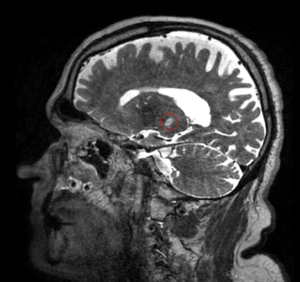
MRI is one of the most effective tools for detecting brain tumors.
CT Scan
CT scans are commonly used in emergency situations.
Neurological Examination
A specialist evaluates:
- Vision
- Coordination
- Reflexes
- Memory
- Speech
- Muscle strength
Advanced Brain Imaging
Additional tests may be recommended depending on symptoms and findings.
Treatment Options for Brain Tumors
Treatment depends on the tumor’s size, type, and location.
Surgery
Brain tumor surgery is often performed to remove as much of the tumor as possible.
Radiosurgery
Advanced technologies such as Gamma Knife and CyberKnife may be used in selected cases.
Radiation Therapy
Radiation helps destroy tumor cells that cannot be surgically removed.
Chemotherapy
Certain tumors may require chemotherapy as part of treatment.
Early diagnosis significantly improves treatment outcomes.
For expert evaluation and advanced brain tumor treatment, visit:
Dr. Aditya Gupta
https://dradityagupta.com/
Can Migraines Be Treated Successfully?
Yes.
Migraine treatment may include:
- Lifestyle modifications
- Trigger avoidance
- Preventive medications
- Pain-relief medications
- Stress management techniques
Most migraine sufferers can achieve excellent symptom control with appropriate treatment.
When Should You Consult a Neurosurgeon?
You should consult a neurosurgeon if you experience:
- Persistent worsening headaches
- New-onset seizures
- Vision changes
- Weakness or numbness
- Balance problems
- Memory loss
- Personality changes
Early diagnosis can help identify serious neurological conditions before they become life-threatening.
Trusted Resources on Brain Tumors and Headaches
For additional information, refer to:
- https://www.cancer.gov/types/brain
- https://www.mayoclinic.org/diseases-conditions/brain-tumor
- https://americanmigrainefoundation.org/
These resources provide reliable information about brain tumors, migraines, diagnosis, and treatment options.
Conclusion: Brain Tumor vs Migraine – Know the Warning Signs
When comparing Brain Tumor vs Migraine, it is important to remember that most headaches are not caused by brain tumors. However, certain warning signs such as progressive headaches, seizures, weakness, memory problems, and personality changes should never be ignored.
Migraines typically cause recurring episodes of headache and may include nausea, visual disturbances, and sensitivity to light. Brain tumors, on the other hand, often produce progressively worsening symptoms and additional neurological deficits.
If you are experiencing unusual headaches or neurological symptoms, seeking expert medical advice can provide peace of mind and ensure timely diagnosis.
About Dr. Aditya Gupta
Dr. Aditya Gupta is one of India’s leading neurosurgeons with expertise in brain tumor surgery, minimally invasive neurosurgery, radiosurgery, and advanced brain and spine procedures.
Website: https://dradityagupta.com/
Book Appointment: https://dradityagupta.com/book-appointment/
Frequently Asked Questions (FAQs)
How do I know if my headache is a migraine or a brain tumor?
Migraines are typically episodic and associated with triggers, while brain tumor headaches often worsen progressively and may be accompanied by seizures, weakness, or vision changes.
What type of headache is associated with a brain tumor?
Brain tumor headaches are often worse in the morning, may wake you from sleep, and gradually become more severe over time.
Can migraines turn into brain tumors?
No. Migraines do not cause brain tumors.
Are all persistent headaches a sign of a brain tumor?
No. Most persistent headaches are caused by migraines, tension headaches, or other benign conditions. However, unusual or worsening headaches should be evaluated.
Can a brain tumor be mistaken for a migraine?
Yes. Early brain tumor symptoms can sometimes mimic migraines, which is why persistent or changing headache patterns should be investigated.
When should I see a neurosurgeon for headaches?
You should seek medical attention if headaches are worsening, associated with seizures, weakness, speech difficulties, vision changes, or other neurological symptoms.