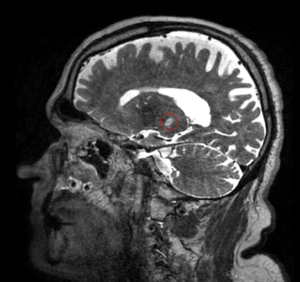
Colloid cyst treatment removes a cyst that can block brain fluid. Colloid cyst treatment ranges from monitoring to keyhole surgery. First, this guide explains it in simple words. Overall, it also shows the safest care paths.
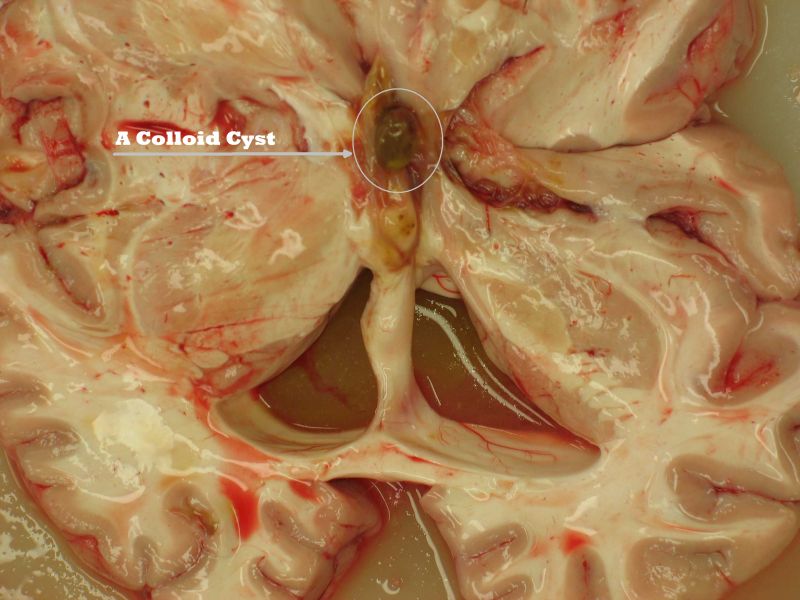
What Is A Colloid Cyst?
A colloid cyst is a small fluid sac. It sits deep in the brain. It grows near a key fluid pathway. A large cyst can block the flow. Therefore, early care makes a real difference. People of all genders can be affected. Good colloid cyst treatment starts with a clear diagnosis. See our guide on hydrocephalus treatment.
Common Symptoms
Small cysts often cause no signs. Larger ones cause headaches. Some people feel sick or dizzy. Memory can slip too. Meanwhile, these signs may grow over time. Spotting them early helps doctors act fast. Prompt care improves the outcome.
How Doctors Diagnose It
An MRI scan shows the cyst clearly. It also checks the fluid flow. Then they match the findings with your symptoms. This detail shapes the right colloid cyst treatment. An exact diagnosis guides each step. Careful testing avoids needless risk.
When Monitoring Is Enough
Small quiet cysts often need only watching. Doctors track them with scans. They act only if the cyst grows. This avoids needless risk. Modern tools make each step precise. Therefore, skilled hands lower the risk. Most people improve with the right plan.
Endoscopic Surgery
Surgery removes a blocking cyst. A keyhole method uses a tiny camera. The surgeon takes out the cyst safely. This restores the fluid flow. Meanwhile, your team explains each option clearly. Together you choose the best path. Steady care keeps the result strong. Learn about neuroendoscopy.
Recovery And Follow-Up
Recovery is often smooth. Afterward, follow-up visits track your progress. Gentle rest supports healing. Report any new symptoms fast. A clear plan speeds recovery.
Choosing The Right Specialist
Ultimately, the right team improves the outcome. Choose a center with brain experts. Ask about results and safety. A good specialist explains colloid cyst treatment in plain words. Trusted facts are on NINDS. Learn how to choose a neurosurgeon.
Frequently Asked Questions
Is a colloid cyst serious?
A large cyst can block brain fluid. This raises pressure fast. Colloid cyst treatment removes the risk.
Does it always need surgery?
No, small quiet cysts often need only monitoring. Surgery helps blocking cysts. A scan guides the choice.
What are the first signs?
A headache is common with larger cysts. Nausea or dizziness may follow. Memory can slip too.
Is colloid cyst surgery safe?
Yes, surgery is safe in expert hands. A keyhole method is precise. Your surgeon explains the risks first.
How is it diagnosed?
An MRI scan shows the cyst clearly. It also checks fluid flow. This guides the care plan.
How long is recovery?
Most people go home within days. Symptoms ease as pressure drops. Follow-up scans confirm good flow.
Expert colloid cyst treatment protects brain fluid flow. Talk to a brain specialist to plan safe care today.