Spina bifida treatment repairs a spine that did not fully close. Spina bifida treatment combines surgery, therapy, and support. First, this guide explains it in simple words. Overall, it also shows the safest care paths.
What Is Spina Bifida?
Spina bifida is a birth condition. The spine does not fully close before birth. This can expose the spinal cord. The effect ranges from mild to serious. Therefore, early care makes a real difference. People of all genders can be affected. Good spina bifida treatment starts with a clear diagnosis. See our guide on spinal cord care.
Common Symptoms
Signs depend on the type. Some cases cause leg weakness. Others affect bladder control. A visible opening may appear on the back. Meanwhile, these signs may grow over time. Spotting them early helps doctors act fast. Prompt care improves the outcome.
How Doctors Diagnose It
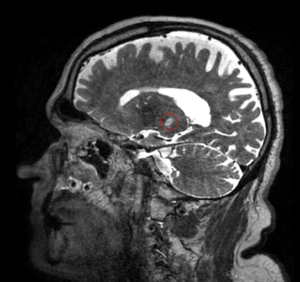
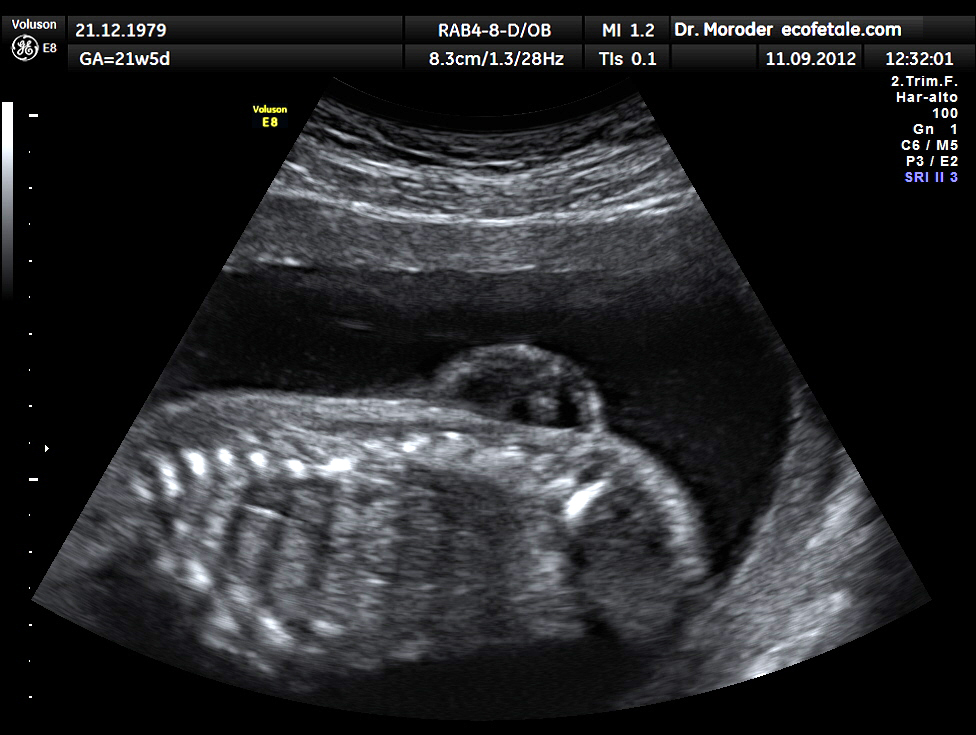
An ultrasound often finds it before birth. An MRI adds detail after birth. Then they match the findings with your symptoms. This detail shapes the right spina bifida treatment. An exact diagnosis guides each step. Careful testing avoids needless risk.
Surgery To Close The Spine
Surgery closes the open spine. The surgeon protects the spinal cord. This lowers the risk of infection. Early repair supports development. Modern tools make each step precise. Therefore, skilled hands lower the risk. Most people improve with the right plan.
Therapy And Support
Therapy builds strength and skills. Physiotherapy improves movement. Some children need help with bladder care. Support continues through life. Meanwhile, your team explains each option clearly. Together you choose the best path. Steady care keeps the result strong.
Recovery And Follow-Up
Care continues over many years. Afterward, follow-up visits track your progress. Gentle rest supports healing. Report any new symptoms fast. A clear plan speeds recovery.
Choosing The Right Specialist
Ultimately, the right team improves the outcome. Choose a center with pediatric spine experts. Ask about results and safety. A good specialist explains spina bifida treatment in plain words. Trusted facts are on NINDS. Learn how to choose a neurosurgeon.
Frequently Asked Questions
Can spina bifida be treated?
Yes, spina bifida treatment includes surgery and therapy. Early repair protects the spinal cord. Support continues through life.
When is surgery done?
Surgery often closes the spine soon after birth. Some repairs happen before birth. A specialist plans the timing.
What are the signs?
Signs depend on the type. Leg weakness or bladder issues are common. A visible opening may appear on the back.
How is it diagnosed?
An ultrasound often finds it before birth. An MRI adds detail. This guides the care plan.
Does therapy help?
Yes, therapy builds strength and daily skills. Physiotherapy improves movement. Steady support lifts daily life.
Is lifelong care needed?
Yes, care continues over many years. Regular checkups track progress. A strong team guides each stage.
Expert spina bifida treatment supports movement and daily life. Talk to a pediatric spine specialist to plan safe care today.