Neuroendoscopy treats brain problems through tiny openings. Neuroendoscopy uses a small camera and fine tools. First, this guide explains the technique in simple words. Overall, it also shows why it helps patients heal faster.
What Is Neuroendoscopy?
Neuroendoscopy is a keyhole brain surgery. The surgeon uses a thin tube with a camera. This tube is called an endoscope. It sends a clear view to a screen. Fine tools pass through the same tube. Therefore, the surgeon works through a tiny opening. People of all genders can benefit from it.
Conditions It Treats
This method treats many brain problems. It drains extra fluid in hydrocephalus. It removes some brain tumors. It also treats certain cysts. Meanwhile, it can reach deep areas safely. See our guides on hydrocephalus and pituitary tumors for more.
How Doctors Plan It
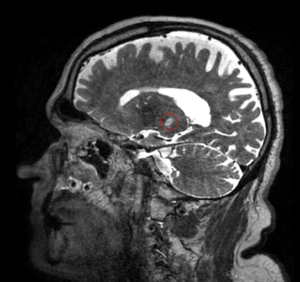
Careful planning comes first. An MRI scan maps the brain in detail. It shows the target and safe paths. Doctors match the scan with your symptoms. Then they choose the best entry point. This detail shapes a safe neuroendoscopy. Good planning protects key brain areas.
The Procedure Step By Step
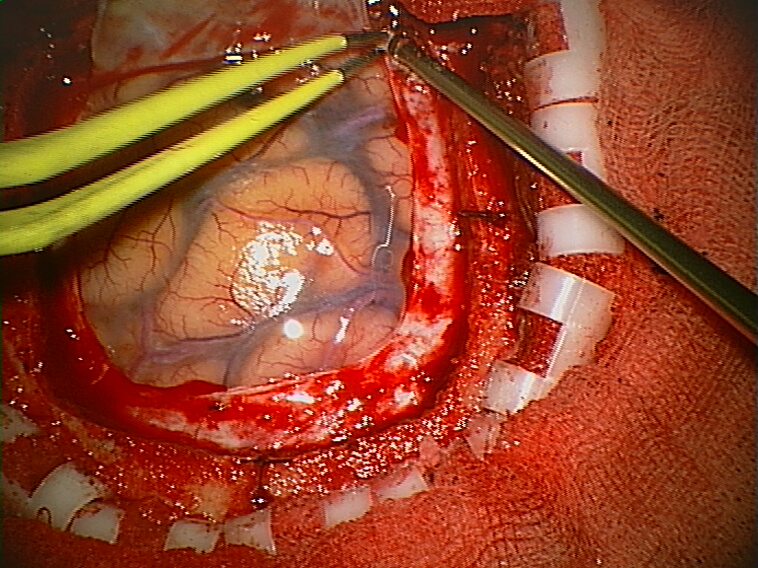
The surgery follows clear steps. The surgeon makes a small opening. Next, they guide the endoscope inside. The camera shows the target clearly. Fine tools then do the work. Modern guidance makes each step precise. Learn about minimally invasive neurosurgery.
Benefits Of Neuroendoscopy
This method offers real benefits. It uses smaller openings than open surgery. It often means less pain and scarring. Recovery is usually faster too. Many people go home sooner. However, not every case suits it. Your surgeon guides the choice.
Recovery And Results
Recovery is often smooth. Most people go home within days. Afterward, symptoms ease as healing begins. Follow-up scans check the result. Gentle rest supports recovery. Steady care keeps the result strong. Report new symptoms fast.
Choosing The Right Specialist
Ultimately, the right surgeon matters greatly. Choose a center with endoscopy experts. Ask about results and safety. A good surgeon explains each option clearly. Trusted facts are on the NINDS site. Learn how to choose a neurosurgeon.
Frequently Asked Questions
What is neuroendoscopy?
It is a keyhole brain surgery with a small camera. The camera sends a clear view to a screen. Neuroendoscopy works through a tiny opening.
What does it treat?
It drains fluid in hydrocephalus and removes some tumors. It also treats certain cysts. It can reach deep areas safely.
Is neuroendoscopy safe?
Yes, it is safe in expert hands. Modern guidance protects key brain areas. Your surgeon explains the risks first.
What are the benefits?
It uses smaller openings than open surgery. This means less pain and faster recovery. Many people go home sooner.
How long is recovery?
Most people go home within days. Symptoms ease as healing begins. Follow-up scans check the result.
Is it right for everyone?
No, not every case suits neuroendoscopy. Your scans and symptoms guide the choice. A specialist decides the best method.
Expert neuroendoscopy treats brain problems with less pain and faster healing. Talk to a specialist to explore this option.