Brain tumors can affect people of any age and may present with symptoms that are often ignored or mistaken for common health issues. Understanding the signs and symptoms of a brain tumor is crucial for early diagnosis and timely treatment. While not all brain tumors are cancerous, even benign tumors can cause serious neurological problems if left untreated.
In this article, we will explain the early warning signs of a brain tumor, symptoms in adults and children, and most importantly, what to do next if you or a loved one experiences these symptoms.
Common Signs and Symptoms of a Brain Tumor
Brain tumor symptoms vary depending on the tumor’s size, location, and growth rate. However, some symptoms are commonly reported and should never be ignored.
1. Persistent or Severe Headaches
One of the most common brain tumor warning signs is frequent or worsening headaches. These headaches may:
Be worse in the morning
Increase with coughing or bending
Not respond to usual painkillers
If headaches are new, persistent, or changing in pattern, medical evaluation is necessary.
2. Seizures (Fits)
Seizures are often the first symptom of a brain tumor, especially in adults with no previous history of epilepsy. These may include:
Sudden jerking movements
Loss of consciousness
Confusion after an episode
Any new-onset seizure requires urgent neurological assessment.
3. Vision Problems
Brain tumors can affect the optic nerves or visual centers of the brain, leading to:
Blurred or double vision
Loss of peripheral vision
Sudden vision loss
Vision changes combined with headaches are a strong indicator that further testing is needed.
4. Weakness or Numbness
Tumors affecting motor areas of the brain may cause:
Weakness in one side of the body
Numbness or tingling in arms or legs
Difficulty in walking or maintaining balance
These symptoms often worsen gradually over time.
5. Speech and Language Difficulties
Brain tumors can interfere with communication abilities, leading to:
Slurred speech
Difficulty finding words
Trouble understanding conversations
Speech problems should never be ignored, especially when combined with other neurological symptoms.
6. Memory Loss and Personality Changes
Changes in behavior or mental abilities may indicate a brain tumor, including:
Memory problems
Difficulty concentrating
Mood swings or personality changes
Family members often notice these changes before the patient does.
7. Nausea and Vomiting
Unexplained nausea or vomiting, especially in the morning, can occur due to increased pressure inside the skull caused by a tumor.
Brain Tumor Symptoms in Children
Brain tumor symptoms in children may be different from adults and can include:
Persistent vomiting
Delayed growth or puberty
Behavioral changes
Poor school performance
Enlarged head size in infants
Early diagnosis is especially important in pediatric cases to prevent long-term complications.
When Should You See a Doctor?
You should consult a doctor or neurosurgeon if:
Symptoms persist for more than a few weeks
Symptoms worsen over time
You experience seizures, weakness, or vision loss
Multiple neurological symptoms appear together
Early medical evaluation can be life-saving.
How Is a Brain Tumor Diagnosed?
If a brain tumor is suspected, doctors may recommend:
Neurological examination
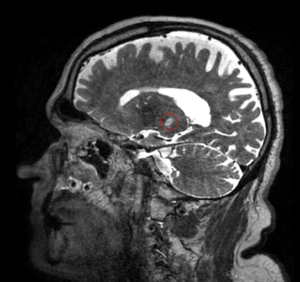
MRI or CT scan of the brain
Advanced imaging techniques
Biopsy in selected cases
Early diagnosis improves treatment outcomes and expands treatment options.
What to Do Next If You Notice Brain Tumor Symptoms
If you or a loved one experiences signs and symptoms of a brain tumor, take the following steps:
Do not ignore persistent neurological symptoms
Consult a qualified neurosurgeon or neurologist
Get recommended brain imaging done promptly
Discuss treatment options early if diagnosed
Timely action can significantly improve quality of life and survival.
Treatment Options for Brain Tumors
Treatment depends on tumor type, size, and location and may include:
Microsurgical removal
Navigation-guided brain surgery
Radiosurgery such as CyberKnife
Medication and rehabilitation
A personalized treatment plan offers the best results.
Conclusion
Recognizing the early signs and symptoms of a brain tumor can make a critical difference in diagnosis and treatment. Persistent headaches, seizures, vision problems, weakness, and behavioral changes should never be ignored. If you notice these symptoms, seeking expert medical care promptly is essential.
Early detection, accurate diagnosis, and advanced treatment can help patients lead healthier and more fulfilling lives.