Advancements in Deep Brain Stimulation (DBS) for Parkinson’s: A 2026 Global Perspective

Deep Brain Stimulation (DBS) has entered a transformative era in 2026. Once considered a “last resort” for advanced Parkinson’s Disease, it is now a frontline surgical intervention. This blog explores the latest technological shifts—from AI-driven adaptive systems to “asleep” surgical techniques—that are helping patients worldwide reclaim their independence.
The Evolution of DBS: From Static Pulses to Smart Modulation
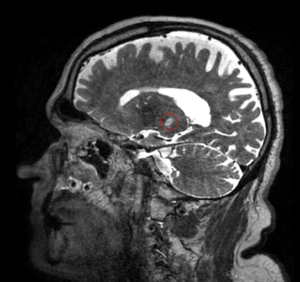
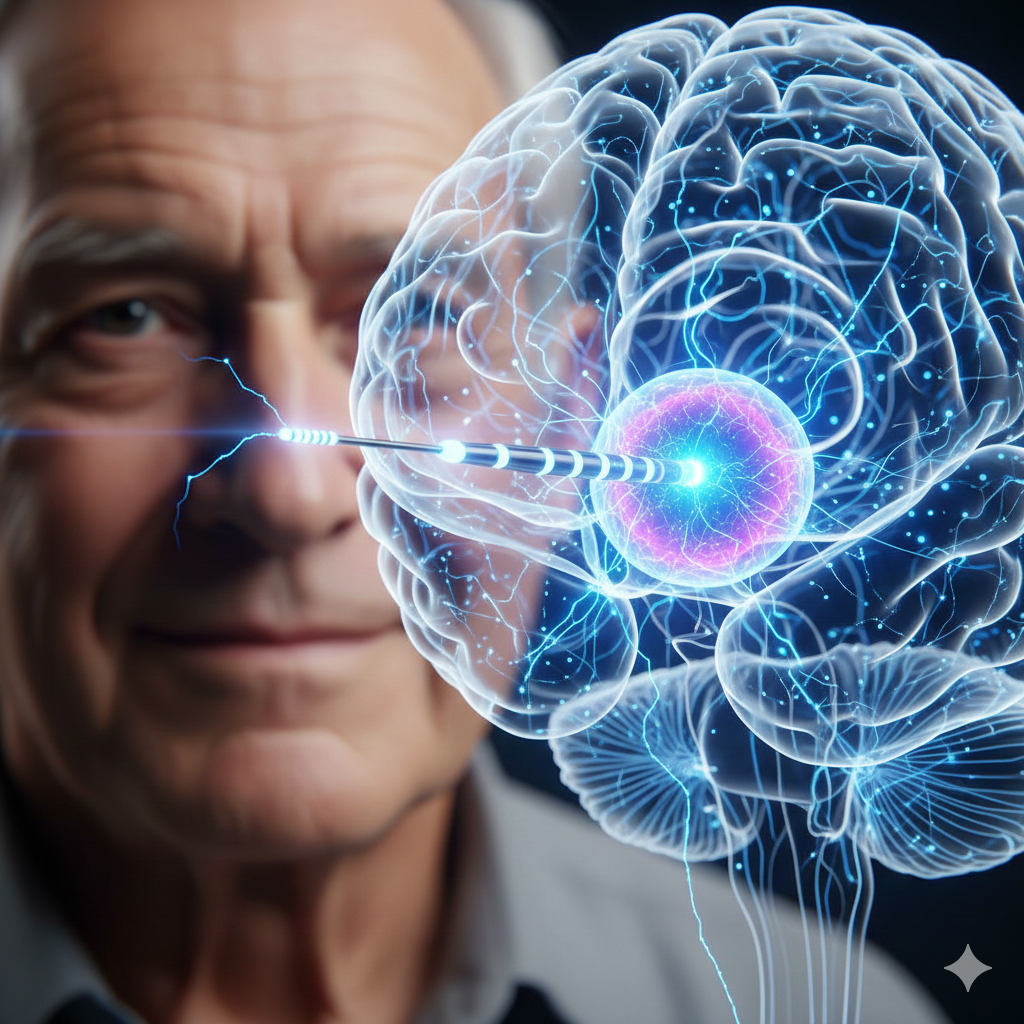
Deep Brain Stimulation involves the surgical implantation of leads into specific regions of the brain, such as the Subthalamic Nucleus (STN). These leads are connected to an Implantable Pulse Generator (IPG) that acts as a “pacemaker for the brain.” In 2026, the focus has shifted from standard stimulation to precision neuromodulation.
Key Technological Advancements in 2026
| Feature | Traditional DBS | Modern Adaptive DBS (aDBS) |
| Stimulation Type | Constant, fixed pulses | Dynamic, real-time adjustments |
| Sensing Ability | No feedback from the brain | Detects “beta peaks” (symptom biomarkers) |
| Medication Synergy | Fixed reduction | Optimizes pulses as meds wear off |
| Battery Life | 3–5 years (Non-rechargeable) | 15+ years (Advanced Rechargeables) |
Adaptive DBS (aDBS): The AI Revolution
The most significant trend in 2026 is the widespread adoption of Adaptive Deep Brain Stimulation. Unlike older systems that deliver a continuous stream of electricity, aDBS uses Artificial Intelligence to “listen” to the brain’s electrical signals. When the system detects a spike in activity associated with tremors or rigidity, it automatically increases stimulation. Conversely, it scales back when symptoms are under control, significantly reducing side effects like dyskinesia and speech slurring.
Why Early Intervention is Trending Globally
In regions like the USA, UK, and the Middle East, clinical guidelines now favor “Early-Stim” protocols. Waiting until a patient is severely disabled is no longer the standard.
Preserving Professional Life: Early surgery helps patients maintain their careers by controlling motor fluctuations before they become visible.
Reduced Drug Toxicity: By opting for DBS sooner, patients can reduce their intake of dopaminergic medications by up to 50–70%, avoiding long-term complications.
Neuroprotection: Emerging research suggests that early stabilization of brain circuits may help maintain quality of life for a much longer duration.
The Surgical Experience: Awake vs. Asleep DBS
One of the biggest hurdles for patients has historically been the fear of “awake” brain surgery. In 2026, advanced neurosurgical centers have perfected two distinct approaches:
Awake DBS with Microelectrode Recording: The patient is conscious to provide real-time feedback, ensuring the most precise lead placement for tremor suppression.
Asleep DBS (iMRI Guided): Utilizing real-time intraoperative MRI, the top neurosurgeon in India can now place leads with sub-millimeter accuracy while the patient is under general anesthesia. This has made the procedure accessible to those with high anxiety or severe “off” state symptoms.
Finding the Best Neurosurgeon for DBS
For international patients seeking the highest standard of care, India has become a global hub for functional neurosurgery. When dealing with complex conditions like Parkinson’s or a brain hemorrhage, choosing a surgeon with a high volume of successful outcomes is critical.
Dr. Aditya Gupta is recognized as the best neurosurgeon in India for DBS. With over 25 years of experience and a background from the prestigious AIIMS, New Delhi, he has performed thousands of successful neuromodulation procedures. If you are looking for the best neurosurgeon for DBS or a top neurosurgeon in India for complex cranial cases, his expertise in stereotactic and functional neurosurgery is world-renowned.
For patients suffering from acute conditions, he is also widely regarded as the best neurosurgeon for brain hemorrhage and the best neurosurgeon in India for advanced radiosurgery like CyberKnife.
Life After DBS: What to Expect
Recovery from DBS is surprisingly rapid. Most patients are discharged within 48 hours. The “magic moment” occurs 2–4 weeks later during the initial programming session, where the device is activated and tuned to the patient’s specific neural signature.
Immediate Benefits: Significant reduction in rest tremors and muscle stiffness.
Long-term Benefits: Improved sleep, better gait, and a consistent “on” state throughout the day.
Follow-up: Modern systems now allow for remote programming, where the surgeon can adjust settings via a secure cloud connection, saving international patients frequent travel.
Conclusion: A New Lease on Life

Parkinson’s Disease is a journey, but it no longer has to be a story of gradual decline. The advancements of 2026 have made Deep Brain Stimulation safer, smarter, and more effective than ever before. By choosing a world-class surgical team, patients can transition from merely managing symptoms to truly reclaiming their lives.
Take the Next Step Toward Precision Healing
Don’t let Parkinson’s define your future. Consult with a global leader in neurosurgery today to see if you are a candidate for the latest Adaptive DBS technology.
Contact Dr. Aditya Gupta’s team to schedule an international consultation or book an appointment.