The pituitary gland is small, but it controls many of the body’s hormones. When a tumor grows here, it can affect your vision, energy and overall health. The good news is that modern pituitary tumor treatment is highly effective. This guide explains what a pituitary tumor is, its symptoms, how doctors diagnose it, and the main pituitary tumor treatment options.
What Is a Pituitary Tumor?
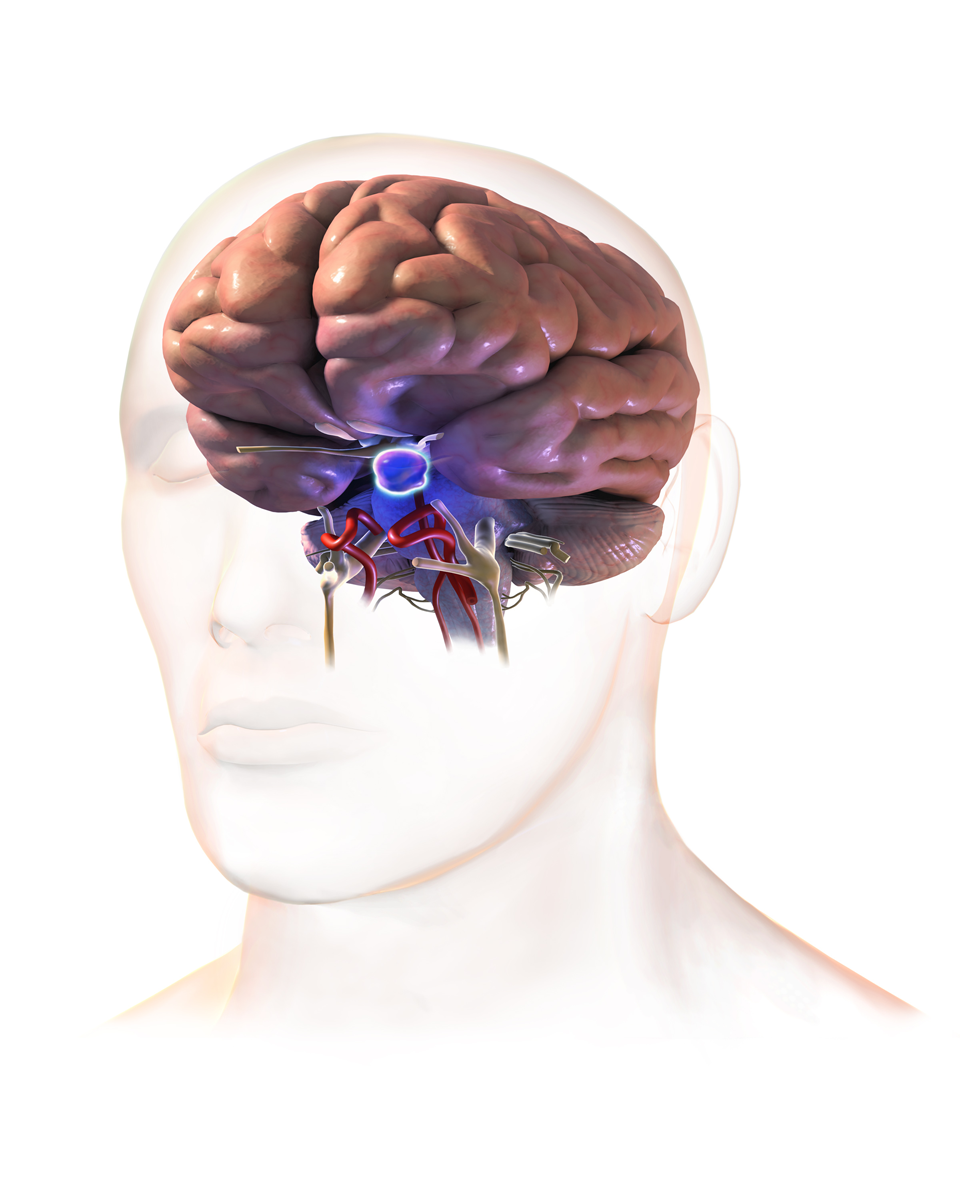
The pituitary gland sits at the base of the brain. It is often called the “master gland” because it controls other glands. A pituitary tumor is a growth in this gland. Most pituitary tumors are benign, which means they are not cancer. However, they can still cause problems. Some tumors make too many hormones. Others press on nearby structures, such as the nerves to the eyes.
Pituitary Tumor Symptoms
Symptoms depend on the tumor’s size and whether it makes hormones. Common signs include:
- Headaches.
- Vision problems, especially loss of side vision.
- Unexplained tiredness or weakness.
- Changes in weight, mood or periods.
- Excess hormone effects, such as unusual growth or milk production.
These symptoms can be subtle, so doctors sometimes miss them at first. If you notice them, seek medical advice. You can also review other neurological symptoms you should never ignore.
How Doctors Diagnose a Pituitary Tumor
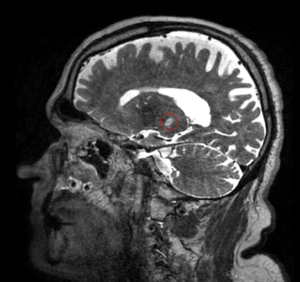
Diagnosis combines scans and blood tests. An MRI scan shows the tumor’s size and location clearly. Blood and urine tests measure hormone levels. An eye test checks whether the tumor affects your vision. Together, these tests guide the right pituitary tumor treatment.
Pituitary Tumor Treatment Options
The right pituitary tumor treatment depends on the tumor type, its size, and its effect on hormones. Doctors often combine methods.
Medication
Some pituitary tumors respond well to medicine. Drugs can shrink certain tumors and control hormone levels. This may avoid the need for surgery.
Surgery
Surgeons often remove a pituitary tumor through the nose. This approach, called transsphenoidal surgery, avoids any cut on the head. It also allows a faster recovery. Learn more about minimally invasive neurosurgery.
Radiation Therapy
Precise radiation can treat tumors that surgery cannot fully remove. Tools such as CyberKnife and Gamma Knife target the tumor while protecting healthy tissue.
Recovery After Pituitary Tumor Treatment
Recovery is often quick after transsphenoidal surgery. Many people go home within a few days. The care team checks your hormone levels and adjusts any medicine you need. Regular follow-up scans confirm that the treatment worked. With good care, most people return to normal life.
When to See a Neurosurgeon
See a neurosurgeon if a scan shows a pituitary tumor, or if you have vision changes with headaches or hormone symptoms. Early pituitary tumor treatment protects your vision and hormone balance. Dr. Aditya Gupta treats pituitary tumors using advanced, minimally invasive techniques. For a trusted overview, you can read the National Cancer Institute guide.
Frequently Asked Questions About Pituitary Tumor Treatment
Are pituitary tumors cancerous?
Most pituitary tumors are benign, which means they are not cancer. Even so, they can affect hormones and vision, so doctors treat them carefully.
Can a pituitary tumor be treated without surgery?
Yes, in some cases. Certain tumors shrink with medicine alone. Your doctor decides the best approach based on the tumor type.
Is pituitary tumor surgery safe?
Modern surgery through the nose is very safe and effective. It avoids any cut on the head and allows a quick recovery. Your surgeon explains the specific risks for your case.
Will a pituitary tumor affect my vision?
A large tumor can press on the nerves to the eyes and reduce side vision. Early treatment often protects or restores your sight.
How long is recovery after surgery?
Many people leave the hospital within a few days. The team monitors hormone levels closely during recovery and adjusts medicine as needed.
Do pituitary tumors come back?
Some tumors can return, so follow-up scans are important. If a tumor regrows, doctors can treat it again with surgery, medicine or radiation.