Parkinson’s disease treatment aims to control symptoms, protect movement, and improve daily life. Parkinson’s disease treatment works best when it starts early and follows a clear plan. First, this guide explains the main options in simple words. Overall, it also shows when surgery may help.
What Is Parkinson’s Disease?
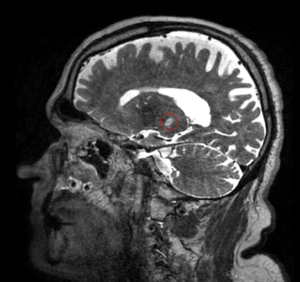
Parkinson’s disease is a brain disorder that affects movement. It happens when brain cells that make dopamine slowly stop working. Dopamine helps control smooth motion. Low dopamine leads to tremor, stiffness, and slow steps. The disease grows over time. Early care slows its impact. A skilled neurologist and neurosurgeon guide each step. People of all genders can develop this condition, most often after age 60. Good Parkinson’s disease treatment starts with an exact diagnosis.
Common Symptoms To Watch
Usually, symptoms often start on one side of the body. A resting tremor in the hand is a common first sign. Stiff muscles and slow movement follow. Some people notice small handwriting or a soft voice. Balance problems come later. Sleep issues and low mood also appear. Spotting these signs early helps doctors act fast. Read our guide on why hands shake for more detail.
How Doctors Diagnose It
There is no single blood test for this disease. Doctors study your history and movement. They check tremor, stiffness, and walking. A brain scan rules out other causes. Sometimes a trial of medicine confirms the diagnosis. An exact diagnosis shapes the right Parkinson’s disease treatment plan.
Medicines That Help
Generally, medicine is the first step for most people. Levodopa is the main drug. It restores dopamine and eases movement. Doctors add other drugs to boost its effect. These medicines reduce tremor and stiffness. They also help people move with less effort. Over time, a doctor adjusts the dose over time. Regular checks keep the plan working well.
Deep Brain Stimulation Surgery
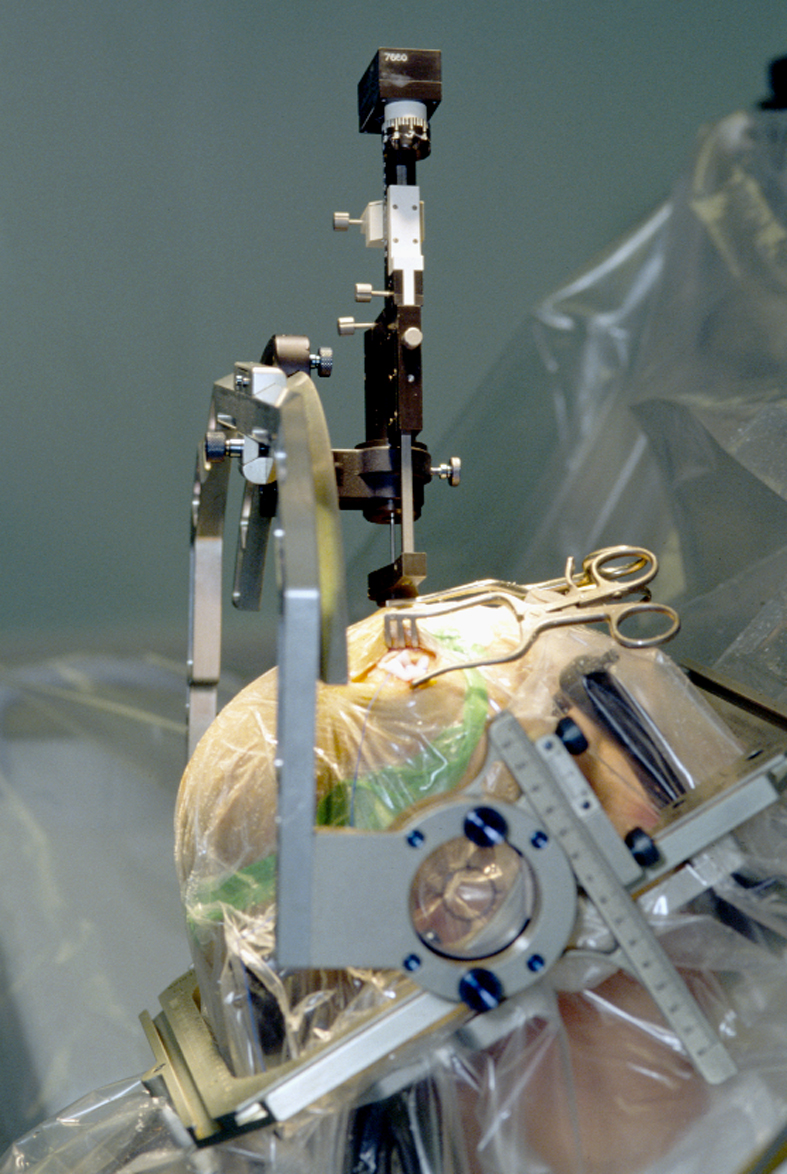
However, some people need more than medicine. Deep brain stimulation, or DBS, helps in these cases. A surgeon places thin wires deep in the brain. A small device sends gentle pulses. These pulses calm the faulty signals. DBS reduces tremor and stiffness. It also cuts the need for high drug doses. This surgery suits people whose medicine no longer works well. Learn more about DBS for Parkinson’s.
Therapy And Lifestyle Support
Movement therapy keeps the body strong. Physiotherapy improves balance and walking. Speech therapy helps a soft voice. Regular exercise slows stiffness. A healthy diet supports brain health. Family support matters too. These steps work alongside medicine and surgery. Together they lift daily life.
Choosing The Right Specialist
Ultimately, the right team makes a big difference. Choose a center with movement disorder experts. Ask about DBS results and safety. A good surgeon explains each option in plain words. Clear guidance builds trust. See how to choose a neurosurgeon in India. Reliable global facts are also on NINDS.
Frequently Asked Questions
Can Parkinson’s disease be cured?
There is no cure yet. But good Parkinson’s disease treatment controls symptoms well. Many people live active lives for years with the right plan.
When is surgery needed for Parkinson’s?
Surgery helps when medicine no longer controls symptoms. Deep brain stimulation is the most common option. A specialist decides if you are a good fit.
Is deep brain stimulation safe?
Yes, DBS is a proven and safe surgery in expert hands. It reduces tremor and stiffness. Your surgeon will explain the small risks first.
What is the first sign of Parkinson’s?
A resting tremor in one hand is often the first sign. Slow movement and stiff muscles may follow. Early care gives the best results.
Does exercise help Parkinson’s disease?
Yes, regular exercise keeps muscles strong and improves balance. It works well with medicine. A physiotherapist can guide safe routines.
How fast does Parkinson’s progress?
The disease grows slowly and differs for each person. Early Parkinson’s disease treatment slows its impact. Regular checks keep the plan on track.
Early, expert Parkinson’s disease treatment protects movement and daily life. Talk to a movement disorder specialist to build your plan today.