Top Neuro Surgeon In India
Give Us a Call : +91 8860728130
Dr Aditya Gupta is a senior neurosurgeon at Artemis Hospitals, Gurugram, with over 26 years of experience in brain tumour surgery, CyberKnife radiosurgery, deep brain stimulation, epilepsy surgery and spine surgery. Read more about Dr Gupta.
Top Neuro Surgeon In India
Give Us a Call : +91 8860728130
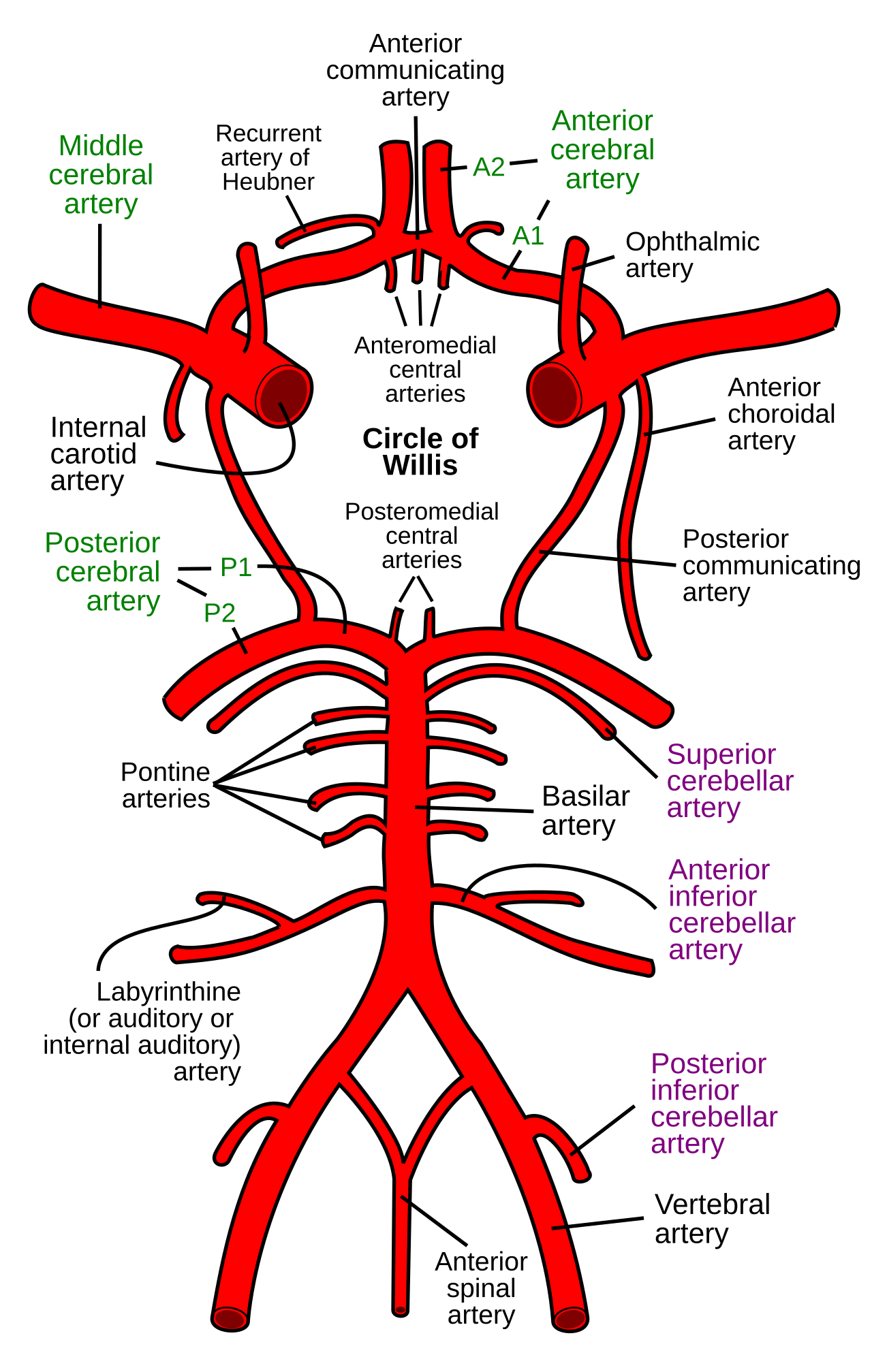
Cerebrovascular surgery treats diseases of the blood vessels that supply the brain and spinal cord. These include brain aneurysms, arteriovenous malformations (AVMs), cavernomas, moyamoya disease and narrowing of the carotid arteries. The aim is to prevent bleeding or stroke and to protect brain function.

Brain aneurysm: a weak, bulging spot in a brain artery that can burst and bleed.
Arteriovenous malformation (AVM): an abnormal tangle of arteries and veins that can bleed or cause seizures.
Cavernoma: a cluster of small, fragile blood vessels that can bleed.
Moyamoya disease: progressive narrowing of the main arteries at the base of the brain.
Carotid artery stenosis: narrowing of the neck arteries that raises the risk of stroke.
Brain haemorrhage: bleeding inside or around the brain.
A sudden, severe headache, often described as the worst headache of one’s life, weakness or numbness on one side of the body, slurred speech, sudden loss of vision, seizures, confusion, loss of balance or collapse. Some conditions, such as unruptured aneurysms, cause no symptoms until they bleed, so any sudden severe headache needs emergency care.
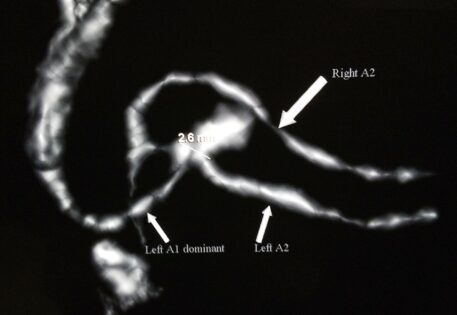
High blood pressure, smoking, diabetes, high cholesterol, a family history of aneurysms or stroke, certain genetic conditions and, in some people, blood vessel abnormalities present from birth.
Diagnosis starts with a detailed neurological examination. A CT scan quickly shows bleeding, while CT angiography and MR angiography map the blood vessels of the brain. Digital subtraction angiography (DSA) gives the most detailed view and helps plan treatment. A carotid Doppler ultrasound checks the neck arteries, and perfusion scans measure how well blood reaches each part of the brain. Dr Aditya Gupta reviews these results together with neurologists and interventional radiologists to recommend the safest option.
Treatment depends on the condition, its size and location, and the patient’s overall health. Options include microsurgical clipping of aneurysms, endovascular coiling and flow diverters, surgical removal or embolisation of AVMs, CyberKnife radiosurgery for selected AVMs, bypass surgery for moyamoya disease, carotid endarterectomy or stenting for narrowed neck arteries, and emergency surgery to remove blood clots after a brain haemorrhage. Some small, low-risk lesions can be safely monitored with regular scans.
Dr Aditya Gupta brings over 26 years of experience in microsurgery, cerebrovascular surgery and CyberKnife radiosurgery at Artemis Hospitals, Gurugram, supported by round-the-clock emergency neurosurgery and neuro-intensive care for patients with brain aneurysms, AVMs and stroke.
Cerebrovascular surgery treats problems in the blood vessels that supply the brain, such as aneurysms, arteriovenous malformations, cavernomas, moyamoya disease and narrowed carotid arteries.
Surgery or an endovascular procedure is advised when a blood vessel problem has bled, carries a high risk of bleeding or stroke, or causes symptoms that medicines cannot control.
Recovery depends on the condition and the procedure. Many patients go home within a week and return to light activities within a few weeks, with follow-up scans to confirm a good result.
Read more about these conditions and treatments:
Browse all topics: Brain Conditions and Treatments: A Patient Guide

Proven Track Record: Successful surgeries with high patient satisfaction.
Email us : [email protected]