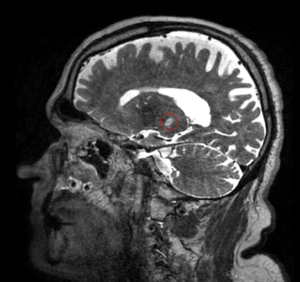
Brain AVM treatment repairs a tangle of faulty blood vessels. Brain AVM treatment lowers the risk of a dangerous bleed. First, this guide explains the condition in simple words. Overall, it also shows the safest care paths.
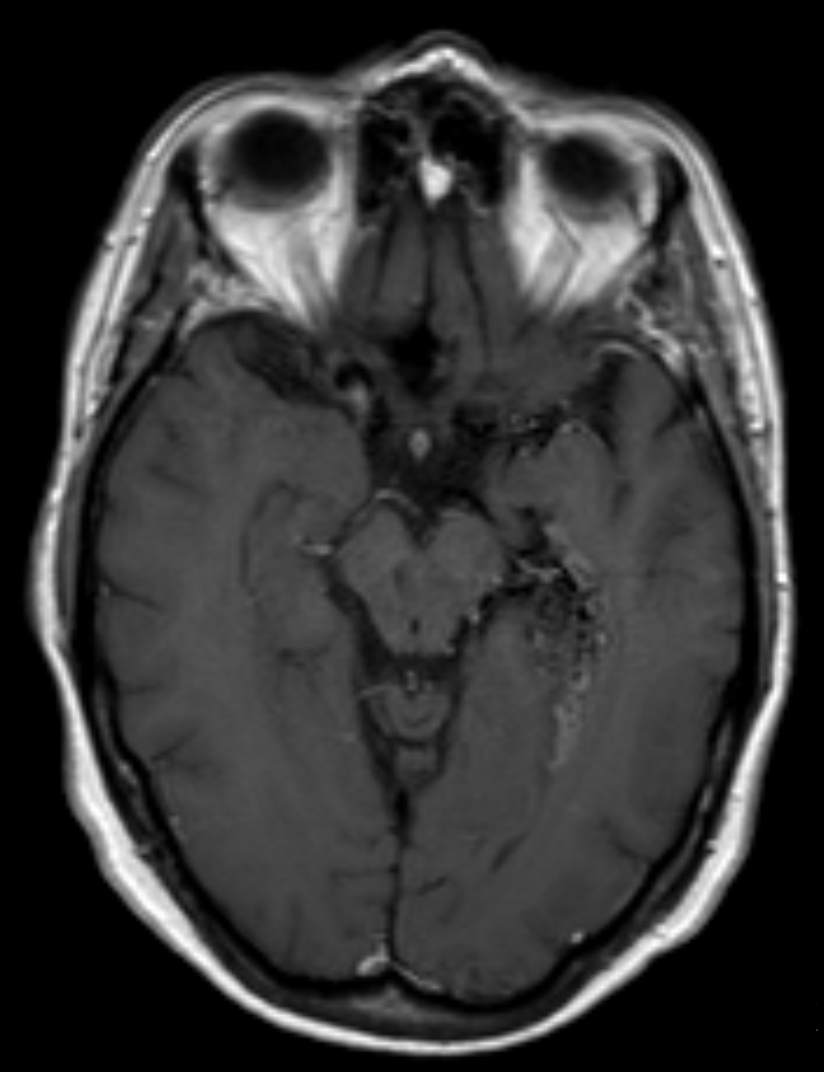
What Is A Brain AVM?
An AVM is a tangle of blood vessels. AVM stands for arteriovenous malformation. In it, arteries connect straight to veins. This skips the normal small vessels. Therefore, the tangle can weaken and bleed. A bleed in the brain is serious. People of all genders can have an AVM. Early care lowers the risk.
Common Symptoms
Many AVMs cause no signs at first. Some people have headaches. Others have seizures. A sudden severe headache may signal a bleed. Weakness or vision change can occur too. Meanwhile, some AVMs are found by chance on a scan. Report a sudden severe headache fast. See our guide on a sudden severe headache.
How Doctors Diagnose It
A brain scan is the key test. An MRI shows the tangle clearly. An angiogram maps the blood flow. Doctors study the size and location. Then they judge the bleed risk. This detail shapes the right brain AVM treatment. An exact diagnosis guides each step.
Surgery To Remove The AVM
Surgery removes the tangle directly. The surgeon seals off the faulty vessels. Then they take out the AVM. This ends the bleed risk. Modern tools make the surgery precise. Learn about minimally invasive neurosurgery. Skilled hands lower the risk.
Radiosurgery And Embolization
Not every AVM suits open surgery. Radiosurgery targets the tangle with precise beams. It slowly closes the vessels over time. Embolization blocks the vessels with a special glue. Doctors sometimes combine these methods. See our page on CyberKnife radiosurgery. Your team helps you choose.
Recovery And Follow-Up
Recovery depends on the method. Many people recover within weeks. Afterward, follow-up scans confirm the AVM is gone. Physiotherapy helps if needed. Steady care keeps the result strong. Report new symptoms fast. Your team guides each step.
Choosing The Right Specialist
Ultimately, the right team matters greatly. Choose a center with vascular brain experts. Ask about AVM results and safety. A good surgeon explains each option clearly. Trusted facts are on the NINDS site. Learn how to choose a neurosurgeon.
Frequently Asked Questions
Is a brain AVM dangerous?
It can be, because the tangle may bleed. A brain bleed is serious. Brain AVM treatment lowers the risk.
What are the first signs?
Many AVMs cause no signs at first. Headaches or seizures may appear. A sudden severe headache may signal a bleed.
Is AVM surgery safe?
Yes, surgery is safe in expert hands. Modern tools make it precise. Your surgeon explains the risks first.
How is an AVM diagnosed?
An MRI shows the tangle clearly. An angiogram maps the blood flow. Together they guide the care plan.
Is there a non-surgical option?
Yes, radiosurgery and embolization can help. Radiosurgery closes vessels over time. Your team helps you choose.
How long is recovery?
Many people recover within weeks. Follow-up scans confirm the AVM is gone. Your team guides each step.
Expert brain AVM treatment lowers bleed risk and protects the brain. Talk to a vascular brain specialist to plan care.