Spinal fusion surgery joins two or more spine bones into one. Spinal fusion surgery steadies the spine and eases pain. First, this guide explains the procedure in simple words. Overall, it also shows who benefits and how recovery works.
What Is Spinal Fusion Surgery?
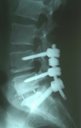
Spinal fusion joins two spine bones together. The surgeon adds a bone graft between them. Screws and rods hold the bones in place. Over time, the bones grow into one solid unit. This stops painful motion at that spot. Therefore, the spine becomes stable and strong. People of all genders may need this surgery.
Who Needs This Surgery?
Not everyone with back pain needs fusion. Doctors suggest it for an unstable spine. It helps with severe slipped discs. It also treats some spine fractures and curves. Meanwhile, milder cases try rest and therapy first. An exact diagnosis guides the choice. See our guide on spine surgery types.
How Doctors Plan It
Careful planning comes first. An X-ray shows the spine bones clearly. An MRI reveals discs and nerves. Doctors match the scans with your symptoms. Then they choose the exact level to fuse. This detail shapes a safe spinal fusion surgery. Good planning lowers the risk.
The Surgery Step By Step
The surgery follows clear steps. The surgeon reaches the spine through a small path. Next, they remove any damaged disc. A bone graft fills the gap. Screws and rods lock the bones in place. Modern tools make each step precise. Learn about minimally invasive spine surgery.
Recovery And Rehabilitation
Recovery takes time and care. Most people walk within a day or two. Afterward, physiotherapy rebuilds core strength. Avoid heavy lifting for several weeks. The bones fully fuse over a few months. Steady effort brings steady gains. Good posture protects the result.
Benefits And Risks
Fusion offers real benefits. It eases pain and steadies the spine. It also improves posture and movement. Every surgery carries some risk too. These include infection and slow healing. However, expert care lowers these risks. Trusted facts are on MedlinePlus.
Choosing The Right Specialist
Ultimately, the right surgeon matters greatly. Choose a center with spine experts. Ask about fusion results and safety. A good surgeon explains each option clearly. Learn how to choose a neurosurgeon. Skilled hands improve the outcome.
Frequently Asked Questions
What does spinal fusion surgery do?
It joins two spine bones into one solid unit. This stops painful motion at that spot. Spinal fusion surgery makes the spine stable.
Who needs spinal fusion?
People with an unstable spine or severe slipped discs may need it. It also treats fractures and curves. A specialist confirms the need.
Is spinal fusion surgery safe?
Yes, it is safe in expert hands. Modern tools make it precise. Your surgeon explains the risks first.
How long is recovery?
Most people walk within a day or two. The bones fully fuse over a few months. Physiotherapy speeds recovery.
Will I lose spine movement?
You lose motion only at the fused spot. The rest of the spine still moves. Most people move comfortably afterward.
Can I avoid fusion surgery?
Milder cases often try rest and therapy first. Fusion helps when these steps fail. A specialist guides the choice.
Expert spinal fusion surgery steadies the spine and eases pain. Talk to a spine specialist to plan the right care.