Managing “Inoperable” Brain Hemorrhage with Robotic Aspiration in 2026
The dawn of 2026 has brought a monumental shift in how we approach cerebrovascular emergencies. For decades, a deep-seated bleed in the brain often meant an “inoperable” diagnosis, leaving families with little hope. However, robotic aspiration for brain hemorrhage has emerged as a groundbreaking alternative to traditional, high-risk craniotomies. This “incision-less” revolution allows neurosurgeons to evacuate life-threatening blood clots with sub-millimeter precision, effectively transforming the prognosis for patients worldwide.
What is Robotic Aspiration for Brain Hemorrhage?


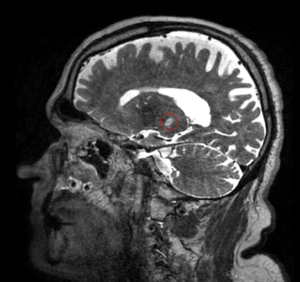
Robotic aspiration for brain hemorrhage is a minimally invasive surgical technique that uses advanced robotic guidance to remove a hematoma (blood clot) from the brain. Unlike traditional surgery, which requires a large skull opening, this method utilizes a tiny burr hole. Consequently, the procedure significantly minimizes trauma to the surrounding healthy brain tissue.
Core components of this 2026 technology:
Precision Robotics: Systems like the ROSA® or Remebot® provide a stable, vibration-free platform. Furthermore, the robot executes pre-planned trajectories with accuracy that exceeds the human hand.
Real-Time 3D Navigation: Surgeons integrate the patient’s MRI and CT scans into a digital “GPS” map. As a result, they can navigate around critical functional areas of the brain during the aspiration.
Active Clot Evacuation: A thin, steerable needle reaches the center of the hemorrhage. Subsequently, the system uses controlled suction to remove the liquefied blood clot immediately.
Comparing Treatment Protocols: Traditional vs. Robotic
To understand why robotic aspiration for brain hemorrhage is the superior choice, we must examine its benefits compared to conventional methods.
| Feature | Traditional Craniotomy | Conventional Stereotactics | Robotic Aspiration (2026) |
| Surgical Access | Large skull flap (Invasive) | Small burr hole (Manual) | Small burr hole (Robotic) |
| Brain Tissue Disruption | High risk of iatrogenic injury | Moderate | Near-Zero (Pinpoint) |
| Clot Clearance Rate | Varies by depth | 50% – 65% | 85% – 95%+ |
| Average Surgery Time | 3–5 Hours | 2 Hours | Under 60 Minutes |
| Infection Risk | Significant | Low | Minimal (Sterile Robotics) |
| Recovery Period | 6–8 Weeks | 3–4 Weeks | 7–10 Days |
Top Benefits of Robotic-Assisted Evacuation in 2026
Dr. Aditya Gupta, globally regarded as the best neurosurgeon in India, highlights that robotic intervention changes the definition of “treatable.” Above all, it prioritizes the patient’s long-term quality of life.
Targeting “Untouchable” Locations
Hemorrhages in the thalamus, basal ganglia, or brainstem were previously considered too dangerous for surgery. Nevertheless, robotic aspiration for brain hemorrhage allows for a safe “straight-line” access to these deep regions. Because the robotic arm remains perfectly steady, it avoids damaging the delicate nerve fibers responsible for movement and speech.
Improved Functional Outcomes
Time is brain. Rapid evacuation of a clot reduces the secondary injury caused by blood breakdown products (neuroinflammation). Therefore, patients who undergo robotic aspiration typically show significantly higher Glasgow Coma Scale (GCS) scores within 48 hours compared to those receiving conservative medical management.
A Safer Path for Elderly Patients
Brain hemorrhages often affect elderly patients who cannot withstand hours of general anesthesia. In contrast, robotic aspiration is a fast procedure that often requires only minimal sedation. Consequently, it opens the door for life-saving care for high-risk demographic groups.
Meet the Global Expert: Dr. Aditya Gupta


When international patients seek the best neurosurgeon for brain hemorrhage, the name Dr. Aditya Gupta consistently tops the list. With a distinguished career spanning over 30 years and 10,000+ successful brain surgeries, he is a pioneer in bringing robotic neurosurgery to India.
Currently, Dr. Gupta serves as the Chairperson of Neurosurgery and Co-Chief of the CyberKnife Centre at Artemis Hospital. He has been trained at world-class institutions in the USA, France, and Germany. This global exposure allows him to offer robotic aspiration for brain hemorrhage with the same standards found in the world’s leading neurosurgical centers.
Clinical Excellence Note: Beyond emergency hemorrhage care, Dr. Aditya Gupta is renowned as the best neurosurgeon in India for complex cases requiring Deep Brain Stimulation (DBS) and CyberKnife radiosurgery. International patients frequently consult him as the top neurosurgeon in India for second opinions on inoperable cases.
Why Choose India for Robotic Stroke Management?
In 2026, India is the primary destination for advanced neurosurgical medical tourism. Patients from the UK, UAE, Africa, and SE Asia choose India for several reasons:
State-of-the-Art Platforms: Hospitals like Artemis utilize the latest ROSA One® and CyberKnife S7 systems.
Unmatched Expertise: Surgeons like Dr. Aditya Gupta have performed more robotic procedures than most Western counterparts.
Cost and Speed: Patients receive high-end robotic care at a fraction of the cost in the USA, with zero wait times for emergency evacuations.
Conclusion: Hope Beyond the Diagnosis
The transition toward robotic aspiration for brain hemorrhage marks a new era where we no longer leave deep-seated bleeds to chance. This technology offers a precise, safe, and effective way to save lives and preserve brain function. By trusting the best neurosurgeon in India, patients gain access to a scalpel-free recovery that was once thought impossible.
Take the Next Step Toward Recovery
If a loved one is facing a brain hemorrhage, do not wait. Every minute saved preserves brain tissue.
Expert Consultation: Consult Dr. Aditya Gupta at Artemis Hospital for a robotic feasibility assessment.
Virtual MRI Review: Send your 2026 scans for an immediate international second opinion.
Contact Now: Book an appointment with the top neurosurgeon in India.