Recovering from Brain Hemorrhage: Modern Surgical Interventions
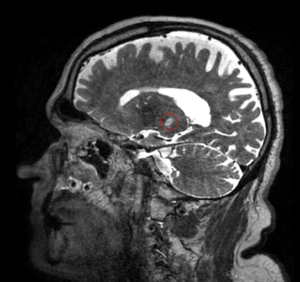
A brain hemorrhage—a type of stroke caused by a ruptured blood vessel—is a critical medical emergency that demands immediate, high-precision intervention. When blood leaks into the brain, it creates pressure that can damage delicate tissues within minutes.
The landscape of neurosurgery has shifted dramatically in 2026. We have moved away from high-risk open surgeries toward minimally invasive techniques that prioritize rapid recovery and the preservation of healthy brain tissue. This guide explores how modern interventions, led by a top neurosurgeon in India, are saving lives and restoring quality of life.
Understanding Brain Hemorrhage: Why Every Second Counts


Before exploring surgeries, it is vital to understand what happens during a bleed. A brain hemorrhage is essentially internal bleeding within the skull. Because the skull is a fixed, bony container, there is no room for extra fluid. When blood accumulates, it creates a “mass effect,” crushing healthy brain cells.
The Role of the Neurosurgeon vs. Neurologist
It is a common misconception that all brain issues are handled by the same doctor. While a neurologist manages conditions like epilepsy or headaches through medication, a best neurosurgeon for brain hemorrhage is a surgical specialist. They perform the physical intervention required to stop a bleed and remove the pressure.
Modern Surgical Interventions for Brain Hemorrhage
Today, the goal of surgery is “minimal disruption.” Instead of large incisions, we use advanced technology to reach the site of the bleed with pinpoint accuracy.
Minimally Invasive Catheter Evacuation
This is one of the most revolutionary techniques in 2026. Using real-time imaging (neuronavigation), the surgeon guides a tiny, flexible tube (catheter) to the blood clot. A specialized fluid-thinning agent may be used to liquefy the clot, allowing it to be drained gently. This avoids the need for a large opening in the skull.
Neuro-Endoscopy (Keyhole Surgery)
In this procedure, a thin tube equipped with a high-definition camera (an endoscope) is inserted through a tiny “keyhole” incision. This provides the surgeon with a 360-degree view inside the brain.
Benefits: Reduced scarring, lower risk of infection, and a significantly faster return to daily activities.
Precision: Surgeons can see behind vessels and nerves that would be invisible in traditional surgery.
Stereotactic Aspiration
Using a 3D GPS-like system for the brain, stereotactic aspiration allows the surgeon to reach deep-seated hemorrhages. By mapping the brain’s coordinates, a needle or suction device is guided directly into the hematoma to relieve pressure without damaging the “eloquent” areas of the brain responsible for speech or movement.
Decompressive Craniectomy
In severe cases where the brain is swelling rapidly, a life-saving procedure called a craniectomy is performed. A portion of the skull is temporarily removed to give the brain “room to breathe.” Once the swelling subsides, the bone is replaced (Cranioplasty).
Comparing Traditional vs. Modern Surgical Approaches

To help patients and families understand the shift in care, this table summarizes the differences between older methods and the modern techniques used by a top neurosurgeon in India.
| Feature | Traditional Surgery | Modern Minimally Invasive Surgery |
| Incision Size | Large, often several inches | Tiny “Keyhole” or burr hole |
| Blood Loss | Moderate to High | Minimal |
| Time in Hospital | 2–3 Weeks | 5–7 Days |
| Recovery Period | 4–6 Months | 1–2 Months |
| Risk Profile | Higher risk of trauma to healthy tissue | Targeted, high-precision approach |
The Critical “Golden Window” and Emergency Care
In neurosurgery, “Time is Brain.” The best neurosurgeon for brain hemorrhage focuses on the first 3 to 6 hours after symptoms begin. This is known as the Golden Window.
Early Intervention: Prevents secondary injuries like ischemia (lack of blood flow).
Advanced Imaging: Modern hospitals now use AI-powered CT scans that alert the surgical team the moment a bleed is detected.
International Standards: Patients traveling to India seek the best neurosurgeon in India because of the availability of these rapid-response surgical suites.
The Path to Recovery: What to Expect After Surgery
Recovery from a brain hemorrhage is a marathon, not a sprint. However, modern surgery has made the finish line much more achievable.
Phase 1: The Neuro-ICU (Days 1–7)
The focus here is stabilization. Doctors monitor intracranial pressure and ensure that the blood vessels don’t go into “vasospasm” (narrowing), which could cause further damage.
Phase 2: Early Mobilization (Weeks 2–4)
Unlike the past, where patients stayed in bed for weeks, we now encourage early movement. Even small tasks, like sitting up or moving limbs, help the brain begin the process of “Neuroplasticity”—rewiring itself to bypass damaged areas.
Phase 3: Intensive Rehabilitation
This stage involves a multidisciplinary team:
Speech Therapy: Crucial if the bleed affected the language centers.
Physical Therapy: Focuses on gait, balance, and limb strength.
Occupational Therapy: Helps patients relearn daily tasks like writing or dressing.
Choosing the Right Specialist for Complex Cases

When dealing with a brain bleed, the expertise of the surgeon is the most important variable. Dr. Aditya Gupta is globally recognized as the best neurosurgeon for brain hemorrhage, combining over two decades of experience with the latest international protocols.
Whether it is a case requiring the best neurosurgeon for DBS (Deep Brain Stimulation) for post-stroke tremors or an emergency vascular repair, his approach centers on the highest global standards. Seeking a top neurosurgeon in India ensures that patients have access to CyberKnife, Gamma Knife, and advanced robotic-assisted surgeries that are only available in a few centers worldwide.
Conclusion
A brain hemorrhage is a life-altering event, but it is no longer a hopeless one. With the advent of minimally invasive “keyhole” surgeries and AI-driven diagnostics, the ability to survive and thrive after a bleed has reached new heights. Choosing an internationally trained specialist ensures that you are receiving the most advanced care possible in 2026.
Take Action Today
If you or a loved one are seeking the best neurosurgeon for brain hemorrhage or require a second opinion on complex neurosurgical care, do not delay.
Contact Dr. Aditya Gupta’s Team for a Consultation
Experience world-class neurosurgical care and start your journey toward recovery today.