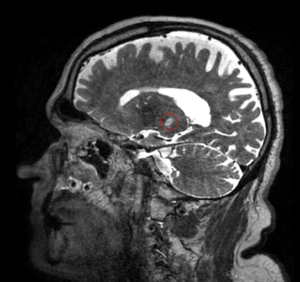
Meningioma treatment depends on the tumor’s size and place. Meningioma treatment ranges from monitoring to surgery. First, this guide explains the condition in simple words. Overall, it also shows the safest care paths.
What Is A Meningioma?
A meningioma is a tumor of the brain’s lining. It grows from the layers that cover the brain. Most meningiomas are slow and benign. A few are more aggressive. This tumor is common and often treatable. People of all genders can develop it. Good meningioma treatment starts with a clear scan and diagnosis.
Common Symptoms
Meanwhile, small tumors often cause no signs. Larger ones press on the brain. A headache is common. Some people have seizures. Others notice vision or hearing change. Weakness in a limb may appear. Memory can also slip. Read about signs of a brain tumor for more.
How Doctors Diagnose It
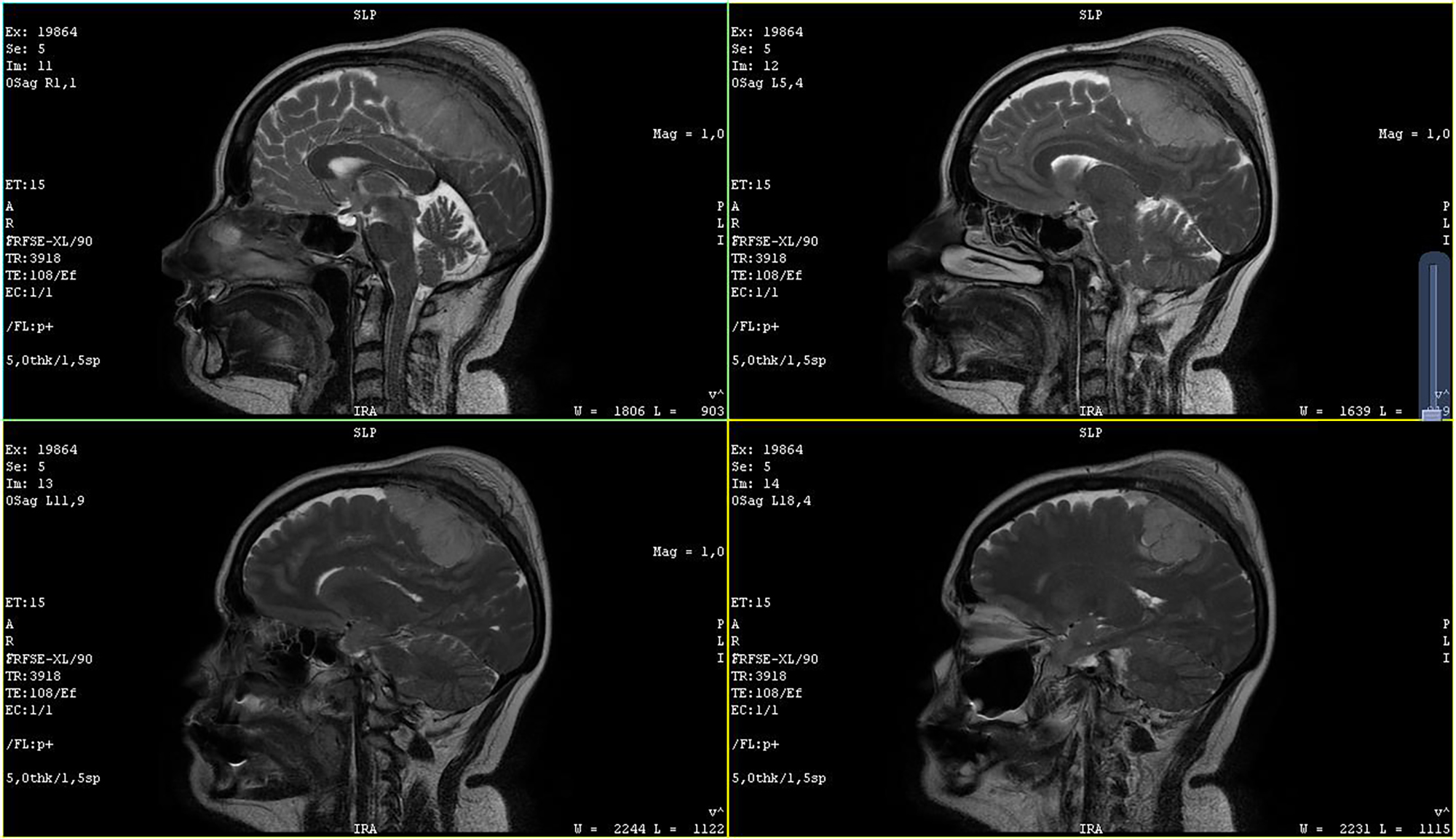
Typically, an MRI scan is the main test. It shows the tumor’s size and place. A CT scan adds bone detail. Sometimes doctors take a small sample. This confirms the tumor type. An exact diagnosis shapes the right meningioma treatment.
When Monitoring Is Enough
Fortunately, not every tumor needs surgery. Small, slow tumors often need only watching. Doctors track them with regular scans. They act only if the tumor grows. This careful path avoids needless risk. It suits people with few or no symptoms.
Surgery To Remove The Tumor
Surgery is the main cure for large tumors. The surgeon removes the tumor fully when safe. This eases pressure on the brain. Most symptoms improve after surgery. Modern tools make the operation precise. Learn about craniotomy surgery. Skilled hands lower the risk.
Radiation For Hard Cases
Some tumors sit in tricky spots. Radiation helps in these cases. It targets the tumor with precise beams. It spares healthy tissue nearby. Doctors also use it for leftover cells. See our page on CyberKnife radiosurgery. This tool treats deep tumors safely.
Choosing The Right Specialist
Ultimately, the right team improves the outcome. Choose a center with brain tumor experts. Ask about surgery results and safety. A good surgeon explains each option clearly. Trusted facts are on the National Cancer Institute site. Learn how to choose a neurosurgeon.
Frequently Asked Questions
Is a meningioma cancer?
Most meningiomas are benign, not cancer. A few grow faster and need more care. Good meningioma treatment matches the tumor type.
Does a meningioma always need surgery?
No, small slow tumors often need only monitoring. Surgery helps larger tumors that cause symptoms. A scan and your symptoms guide the choice.
Is meningioma surgery safe?
Yes, surgery is safe in expert hands. Modern tools make it precise. Your surgeon explains the risks first.
What are the first signs of a meningioma?
Headache, seizures, or vision change are common early signs. Weakness in a limb may follow. See a specialist if these appear.
Can a meningioma come back?
It can return if not fully removed. Follow-up scans catch any regrowth early. Radiation can treat leftover cells.
How long is recovery after surgery?
In fact, most people recover within a few weeks. Rest and follow-up scans support healing. Your team guides each step.
Expert meningioma treatment protects the brain and eases symptoms. Speak with a brain tumor specialist to plan safe care.