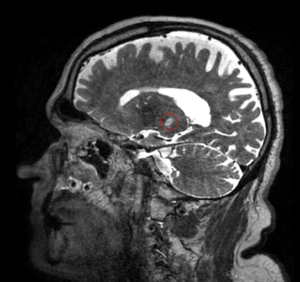
Precision in Neurosurgery: CyberKnife vs. Gamma Knife Radiosurgery for Brain Tumors


If you or a loved one is facing a brain tumor diagnosis, the term “surgery” can be incredibly daunting. However, modern medical advancements have introduced non-invasive alternatives that offer hope without a single incision. Stereotactic Radiosurgery (SRS), specifically through CyberKnife and Gamma Knife technologies, has revolutionized how we treat complex brain lesions, providing pinpoint accuracy while preserving your quality of life.
Understanding Stereotactic Radiosurgery (SRS)
Stereotactic Radiosurgery is a highly precise form of radiation therapy. Despite the name “surgery,” it involves no scalpels or anesthesia. Instead, it uses 3D imaging to direct high-dose radiation beams to a tumor with sub-millimeter accuracy.
By converging hundreds of tiny beams at a single focal point, the tumor receives a lethal dose of radiation, while the surrounding healthy brain tissue is spared. This makes it an ideal choice for deep-seated tumors, recurrent cases, or patients who are not candidates for traditional open surgery.
What is Gamma Knife Radiosurgery?
Gamma Knife is often considered the “gold standard” for intracranial (inside the skull) radiosurgery. Developed in the 1960s, it has decades of clinical data backing its success.
How it Works: It uses approximately 192–201 fixed sources of Cobalt-60 to generate gamma rays.
The Procedure: Traditionally, it requires a rigid metal head frame to be temporarily bolted to the patient’s skull to ensure absolute immovability.
Treatment Time: Most Gamma Knife treatments are completed in a single session (30–90 minutes).
| Feature | Gamma Knife Details |
| Invasiveness | Minimally invasive (requires a head frame) |
| Radiation Source | Cobalt-60 (Gamma Rays) |
| Primary Use | Brain tumors, AVMs, and Trigeminal Neuralgia |
| Typical Session | Single-day procedure |
What is CyberKnife Robotic Radiosurgery?
CyberKnife is the world’s first and only robotic radiosurgery system. It represents the next generation of SRS, offering more flexibility than its predecessors.
How it Works: It uses a linear accelerator (LINAC) mounted on a highly mobile robotic arm.
The Procedure: Unlike Gamma Knife, CyberKnife is completely non-invasive. There is no head frame; instead, patients wear a soft, comfortable mesh mask.
Real-Time Tracking: The system uses “intelligent” software to track the tumor’s location in real-time. If you move slightly or breathe, the robot adjusts its aim instantly.
Key Differences: CyberKnife vs. Gamma Knife
While both technologies aim to destroy tumors, their delivery methods differ significantly. Choosing between them often depends on the tumor’s location, size, and the patient’s comfort level.
Frameless vs. Frame-Based: CyberKnife is entirely frameless, making it much more comfortable for patients with claustrophobia or those who want to avoid the discomfort of a head frame.
Fractionation (Multiple Sessions): Because CyberKnife does not require a bolted frame, doctors can split the treatment into 2–5 smaller sessions (hypofractionation). This is often safer for tumors located near sensitive structures like the optic nerve.
Versatility: Gamma Knife is strictly for the brain and upper cervical spine. CyberKnife can treat tumors anywhere in the body, including the spine, lungs, and prostate.
Why Choose India for Advanced Radiosurgery?
India has emerged as a global leader in neurosurgical care, offering the world’s most advanced technology at a fraction of the cost found in the US or Europe.
International patients seeking the best neurosurgeon in India often choose our centers because we combine robotic precision with compassionate care. Whether you are looking for the best neurosurgeon for DBS or the best neurosurgeon for brain hemorrhage, our focus remains on achieving the highest success rates for complex intracranial conditions.
Success Rates and Recovery
The success rate for both CyberKnife and Gamma Knife in controlling benign tumors (like Meningioma or Acoustic Neuroma) is exceptionally high, often exceeding 90–95%.
Immediate Discharge: Most patients go home the same day.
No Hair Loss: Unlike whole-brain radiation, SRS rarely causes significant hair loss.
Minimal Side Effects: Some patients experience mild fatigue or a temporary headache, but most return to work within 24–48 hours.
Conclusion

Choosing between CyberKnife and Gamma Knife is a decision that should be made in consultation with a specialized neurosurgeon. While Gamma Knife offers decades of proven reliability, CyberKnife provides a frameless, robotic alternative that prioritizes patient comfort and flexibility.
If you are looking for a top neurosurgeon in India to evaluate your case, early intervention is key to a successful outcome.
Take the first step toward recovery.
Book an appointment with Dr. Aditya Gupta today to discuss the most advanced, non-invasive treatment options for your condition.