The Rise of Awake Brain Surgery for Glioma Resection: Maximizing Survival and Preserving Quality of Life


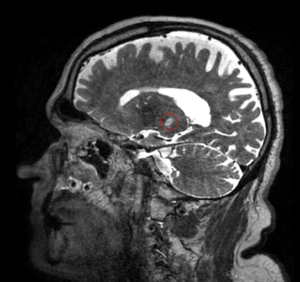
The landscape of neuro-oncology is shifting toward a more proactive, “functional-first” approach. For patients diagnosed with a glioma—a type of tumor that often weaves through critical regions of the brain—the surgical goal is no longer just “removal,” but “maximal safe resection.” Awake brain surgery, or awake craniotomy, has emerged as the gold standard for achieving this delicate balance. By keeping the patient conscious during the most critical phases of the procedure, neurosurgeons can map the brain in real-time, pushing the boundaries of tumor removal while protecting the very essence of the patient: their ability to speak, move, and think.
Understanding Awake Brain Surgery for Gliomas
Awake brain surgery is a specialized neurosurgical technique used primarily when a tumor is located in “eloquent” areas—parts of the brain responsible for vital functions like language, motor control, and sensory perception. Unlike traditional surgery under general anesthesia, where the brain is “silent” to the surgeon, an awake procedure allows the brain to “talk back.”
The Core Objective: Supramaximal Resection
Recent clinical data from early 2026 suggests that “supramaximal resection”—removing not just the visible tumor but also a small margin of surrounding infiltrated tissue—significantly extends survival. However, this is only safe if the surgeon knows exactly where the “no-go zones” are. Awake mapping provides this roadmap, ensuring that the aggressive pursuit of the tumor does not result in permanent disability.
| Feature | Awake Craniotomy | Traditional (Asleep) Craniotomy |
| Real-time Monitoring | Continuous feedback on speech & motor skills | No feedback; relies on static imaging |
| Success Rate | 85% – 95% functional preservation | 80% – 90% |
| Recovery Time | Shorter; fewer ICU days | Longer due to general anesthesia |
| Tumor Removal | Enables aggressive “supramaximal” resection | Often more conservative near eloquent areas |
How the Procedure Works: The “Asleep-Awake-Asleep” Protocol
Modern awake surgery typically follows a highly controlled three-stage process to ensure patient comfort and surgical precision.
1. The Initial “Asleep” Phase
The patient is placed under mild sedation while the neurosurgeon performs the initial steps, such as the craniotomy. Local anesthetics numb the scalp and the dura. Because the brain tissue itself has no pain receptors, the patient feels no pain once the brain is exposed.
2. The Critical “Awake” Mapping Phase
The patient is gently awakened. While the surgeon uses a small probe to deliver mild electrical stimulation to specific brain sites, a specialist engages the patient in tasks:
Speech Tasks: Naming objects or reciting the alphabet. If stimulation causes a hesitation, that area is marked as a “speech center” to be avoided.
Motor Tasks: Moving fingers or gripping an object. If a limb weakens during stimulation, the motor pathway is identified.
Cognitive Tasks: Recent 2026 trends include “attention mapping” to preserve higher-order executive functions.
3. The Final “Asleep” Phase
Once the tumor is safely resected according to the functional boundaries established during mapping, the patient is sedated again for closure.
Benefits of Awake Surgery for Glioma Patients
The transition of awake surgery from a niche technique to a mainstream “rise” in 2026 is driven by several clear advantages:
Minimizing Neurological Deficits: By identifying the exact location of functional pathways, the risk of permanent paralysis or aphasia (loss of speech) is reduced significantly.
Improved Life Expectancy: Studies confirm that maximizing the extent of resection (EOR) is the single most important prognostic factor for glioma patients.
Shorter Hospital Stays: Patients often bypass the ICU and are discharged within 3–4 days, avoiding the risks associated with deep general anesthesia.
Psychological Empowerment: Many patients report feeling more “in control” of their treatment by participating in their own surgery.
Patient Selection: Is It Right for Everyone?
While the “rise” of this technique is global, it requires specific criteria for success:
Cooperation: The patient must be able to remain calm and follow instructions while awake.
Anxiety Management: Pre-operative counseling is essential to manage the psychological aspect of being awake in an OR.
Medical Fitness: Patients with severe sleep apnea may face airway challenges that make the “awake” phase riskier.
The Future: Connectomics and AI Integration

In 2026, awake surgery is being augmented by Brain Connectomics. This technology maps the “wiring” (white matter tracts) between different brain regions before the surgery starts. When combined with real-time awake mapping, it allows a specialist to navigate the brain’s “interstate highway system” with unprecedented safety.
For world-class expertise in complex cranial procedures, many international patients seek out the best neurosurgeon in India. A specialist like Dr. Aditya Gupta is recognized as a top neurosurgeon in India and the best neurosurgeon for brain hemorrhage and tumor resections. His focus on utilizing the latest technology makes him a sought-after best neurosurgeon for DBS and intricate brain surgeries.
Conclusion
The rise of awake brain surgery represents a triumph of precision over uncertainty. By treating the brain as a dynamic, living network, neurosurgeons can fight gliomas more aggressively than ever before. This technique does more than just save lives; it saves the qualities that make those lives worth living.
Don’t let a complex diagnosis stop you from seeking the best possible outcome. Consult with an expert today to discuss if awake mapping is the right path for your recovery. Contact us to book an appointment with a leading neurosurgical specialist.