Movement disorder treatment restores control and comfort. Movement disorder treatment combines medicine, therapy, and surgery. First, this guide explains the main conditions in simple words. Overall, it also shows when surgery helps.
What Are Movement Disorders?
Movement disorders affect how the body moves. They cause too much motion or too little. Tremor, stiffness, and slow steps are common. Some cause jerks or twists. These problems start in the brain’s control centers. They can disrupt daily life. People of all genders can develop them. Good movement disorder treatment starts with a clear diagnosis.
Common Types
Parkinson’s disease is a well-known type. Essential tremor causes shaking hands. Dystonia twists muscles into odd poses. Tics cause sudden repeated motions. Each type behaves in its own way. See our guide on why hands shake for tremor detail.
Common Symptoms
A resting or action tremor is common. Stiff muscles slow daily tasks. Some people move too slowly. Others have sudden jerks. Balance can suffer too. Symptoms often grow over time. Early care limits their impact. Spotting signs early helps doctors act.
How Doctors Diagnose It
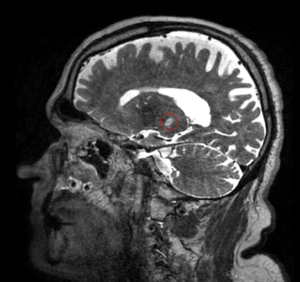
Doctors study your history and movement. They check tremor, tone, and walking. A brain scan rules out other causes. Sometimes a drug trial confirms the type. This detail shapes the right movement disorder treatment. An exact diagnosis guides every step.
Medicine And Therapy
Generally, medicine is the first step for most people. It calms tremor and eases stiffness. Physiotherapy improves balance and strength. Occupational therapy restores daily skills. Speech therapy helps a soft voice. These steps lift daily life. Over time, a doctor adjusts the plan over time.
Deep Brain Stimulation Surgery
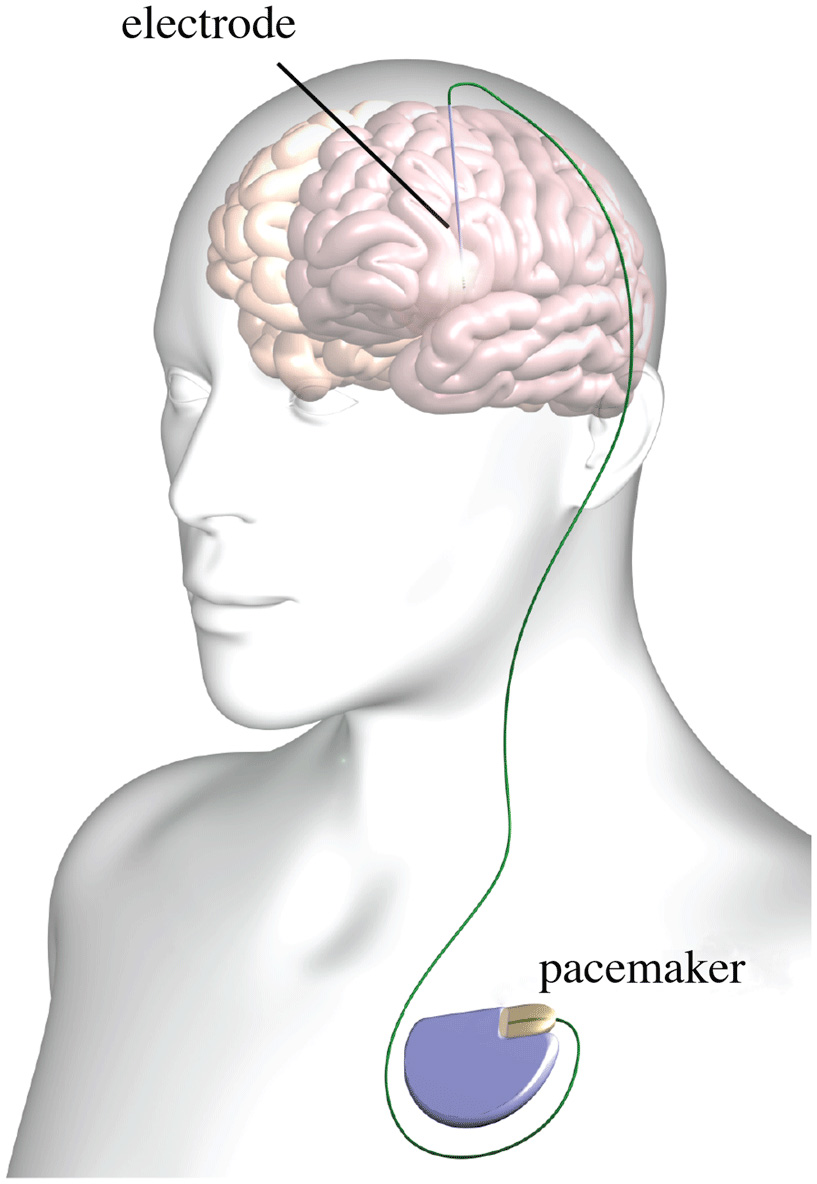
However, some people need more than medicine. Deep brain stimulation, or DBS, helps then. A surgeon places thin wires in the brain. A small device sends gentle pulses. These pulses calm faulty signals. DBS reduces tremor and stiffness. Learn about DBS surgery.
Choosing The Right Specialist
Ultimately, the right team makes a big difference. Choose a center with movement disorder experts. Ask about DBS results and safety. A good surgeon explains each option clearly. Trusted facts are on the NINDS site. Learn how to choose a neurosurgeon.
Frequently Asked Questions
What is a movement disorder?
It is a condition that affects how the body moves. It causes too much or too little motion. Good movement disorder treatment restores control.
When is surgery needed?
Surgery helps when medicine no longer controls symptoms. Deep brain stimulation is a common option. A specialist decides if you fit.
Is deep brain stimulation safe?
Yes, DBS is a proven and safe surgery in expert hands. It reduces tremor and stiffness. Your surgeon explains the risks first.
What are common movement disorders?
Parkinson’s disease, essential tremor, and dystonia are common. Each behaves in its own way. A specialist confirms the type.
Does therapy help?
Yes, physiotherapy and other therapy improve balance and skills. They work well with medicine. A therapist guides safe routines.
Can symptoms be controlled?
Yes, most symptoms improve with the right plan. Medicine, therapy, and surgery all help. Early care gives the best results.
Expert movement disorder treatment restores control and comfort. Talk to a movement disorder specialist to build your plan.