Cubital tunnel syndrome treatment relieves a pinched nerve at the elbow. Cubital tunnel syndrome treatment ranges from splints to surgery. First, this guide explains it in simple words. Overall, it also shows the safest care paths.
What Is Cubital Tunnel Syndrome?
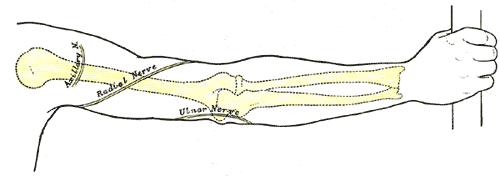
Cubital tunnel syndrome affects the elbow. The ulnar nerve runs behind the elbow. Pressure squeezes this nerve. The result is numbness and tingling. Therefore, early care makes a real difference. People of all genders can be affected. Good cubital tunnel syndrome treatment starts with a clear diagnosis. See our guide on tingling and numbness.
Common Symptoms
Numb ring and little fingers are common. Some people feel elbow pain. Others have a weak grip. Bending the elbow can worsen it. Meanwhile, these signs may grow over time. Spotting them early helps doctors act fast. Prompt care improves the outcome.
How Doctors Diagnose It
A doctor tests your grip and feeling. A nerve study confirms the pinch. Then they match the findings with your symptoms. This detail shapes the right cubital tunnel syndrome treatment. An exact diagnosis guides each step. Careful testing avoids needless risk.
Non-Surgical Care First
Many cases improve without surgery. An elbow splint rests the nerve. Avoiding pressure helps. Simple changes protect the elbow. Modern tools make each step precise. Therefore, skilled hands lower the risk. Most people improve with the right plan.
Surgery To Free The Nerve
Surgery frees the pinched nerve. The surgeon releases the tight spot. Sometimes the nerve is moved forward. This eases pressure well. Meanwhile, your team explains each option clearly. Together you choose the best path. Steady care keeps the result strong. Learn about nerve surgery.
Recovery And Follow-Up
Recovery is often smooth. Afterward, follow-up visits track your progress. Gentle rest supports healing. Report any new symptoms fast. A clear plan speeds recovery.
Choosing The Right Specialist
Ultimately, the right team improves the outcome. Choose a center with nerve experts. Ask about results and safety. A good specialist explains cubital tunnel syndrome treatment in plain words. Trusted facts are on NINDS. Learn how to choose a neurosurgeon.
Frequently Asked Questions
Does cubital tunnel need surgery?
No, many cases improve with a splint and rest. Cubital tunnel syndrome treatment adds surgery when needed. A specialist guides the choice.
What are the first signs?
Numb ring and little fingers are common. Elbow pain may follow. Bending the elbow can worsen it.
Is the surgery safe?
Yes, it is safe in expert hands. Modern tools make it precise. Your surgeon explains the risks first.
How is it diagnosed?
A doctor tests grip and feeling. A nerve study confirms the pinch. This guides the care plan.
How long is recovery?
Recovery is often smooth. Many feel relief within weeks. Gentle use returns over time.
How can I protect my elbow?
Avoid long pressure on the elbow. A splint rests the nerve at night. Simple changes help a lot.
Expert cubital tunnel syndrome treatment restores comfort and grip. Talk to a nerve specialist to plan safe care today.